
Last updated November 22, 2026
 Sweep & inspection
 Caps & crowns
 Flue relining
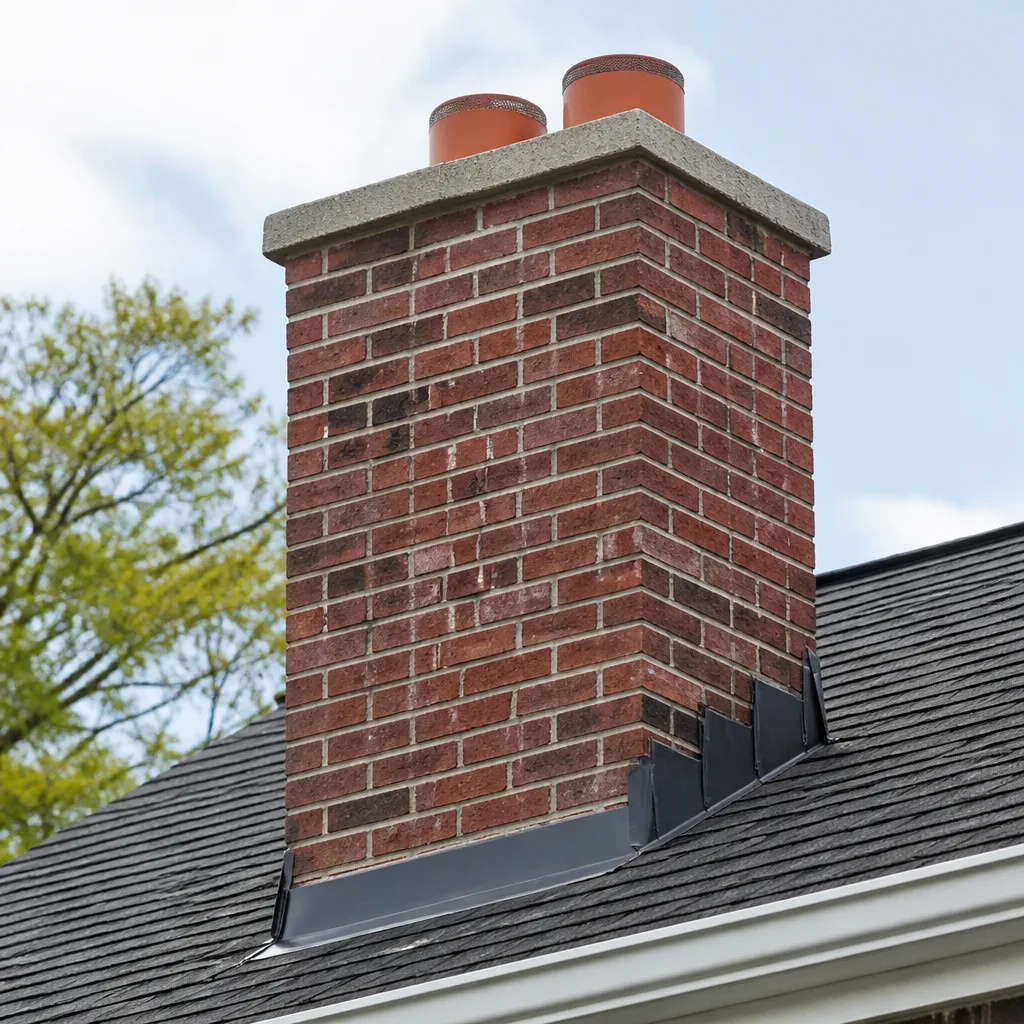 Masonry repair
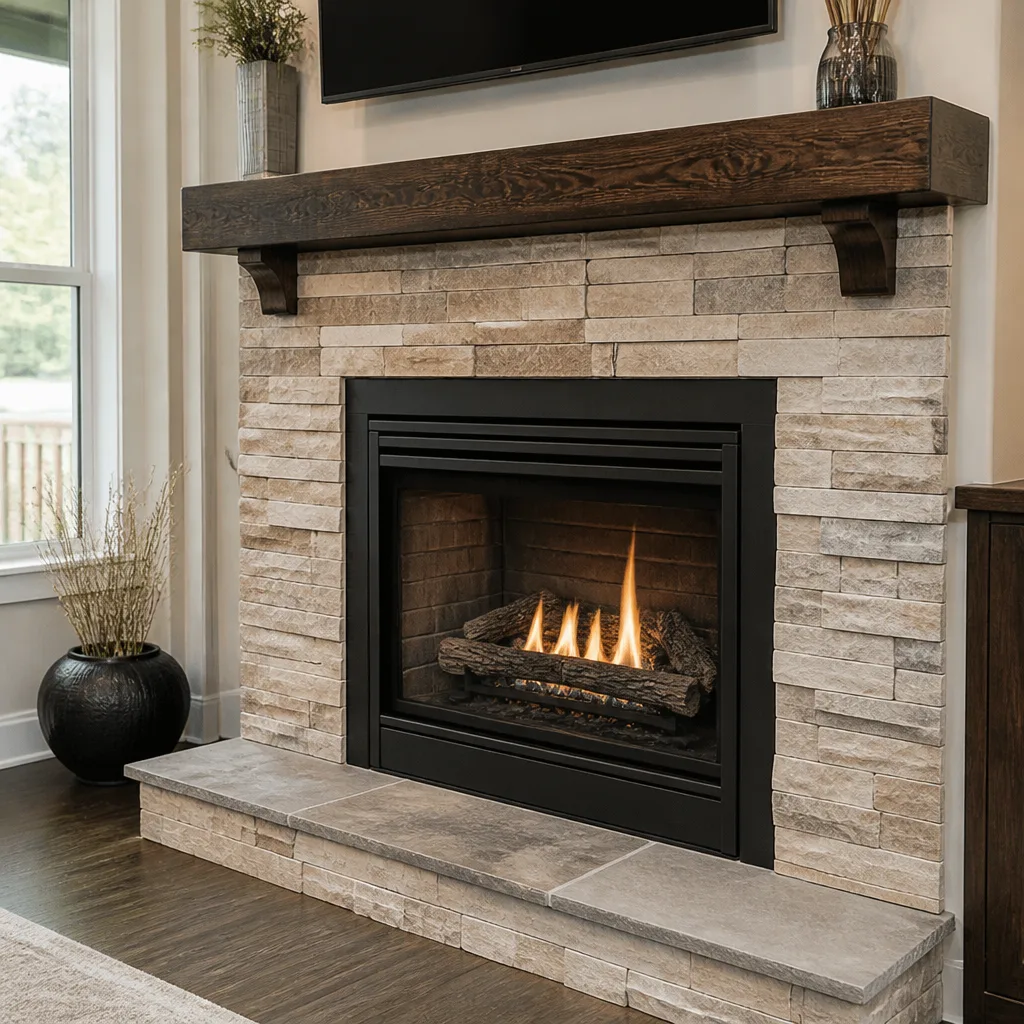 Gas fireplace service
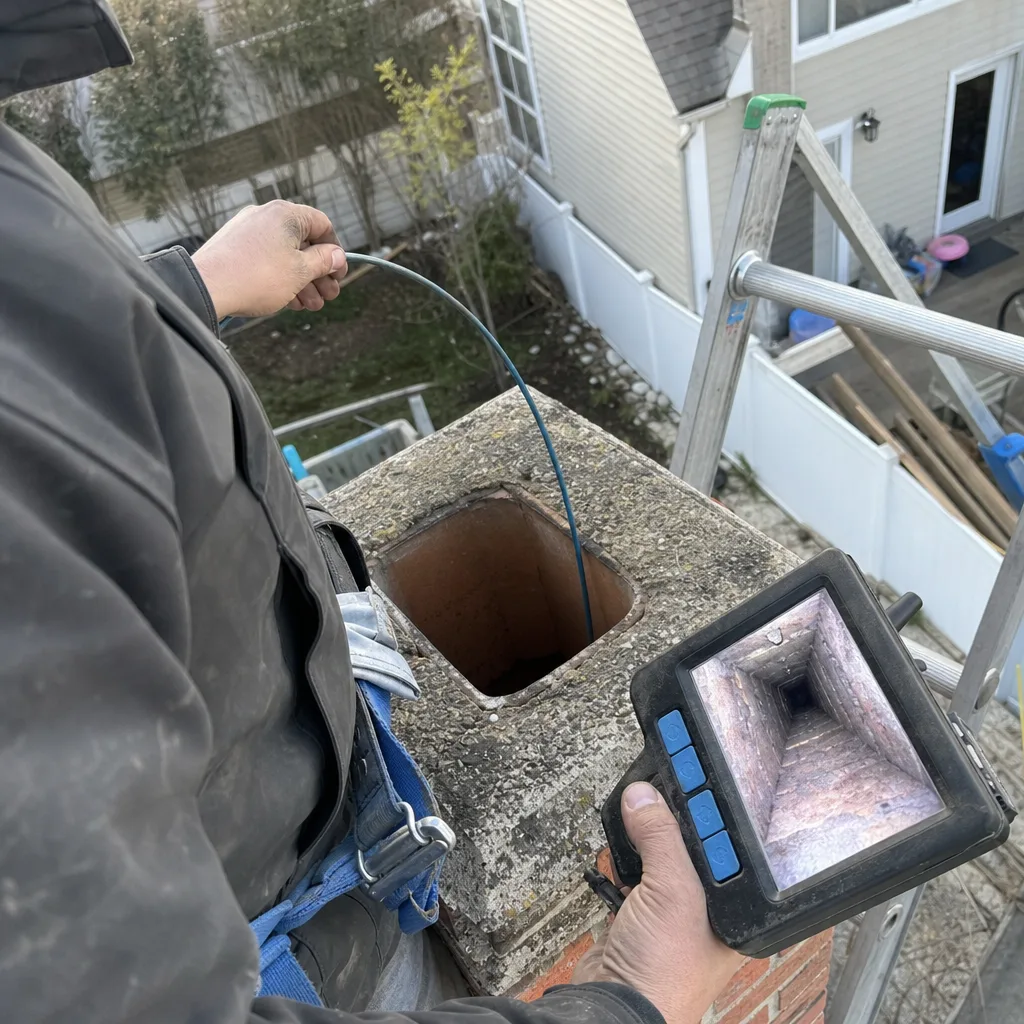
Level 1 sweep and inspection to the NFPA 211 annual standard - flue, crown, cap, and flashing checked and photographed
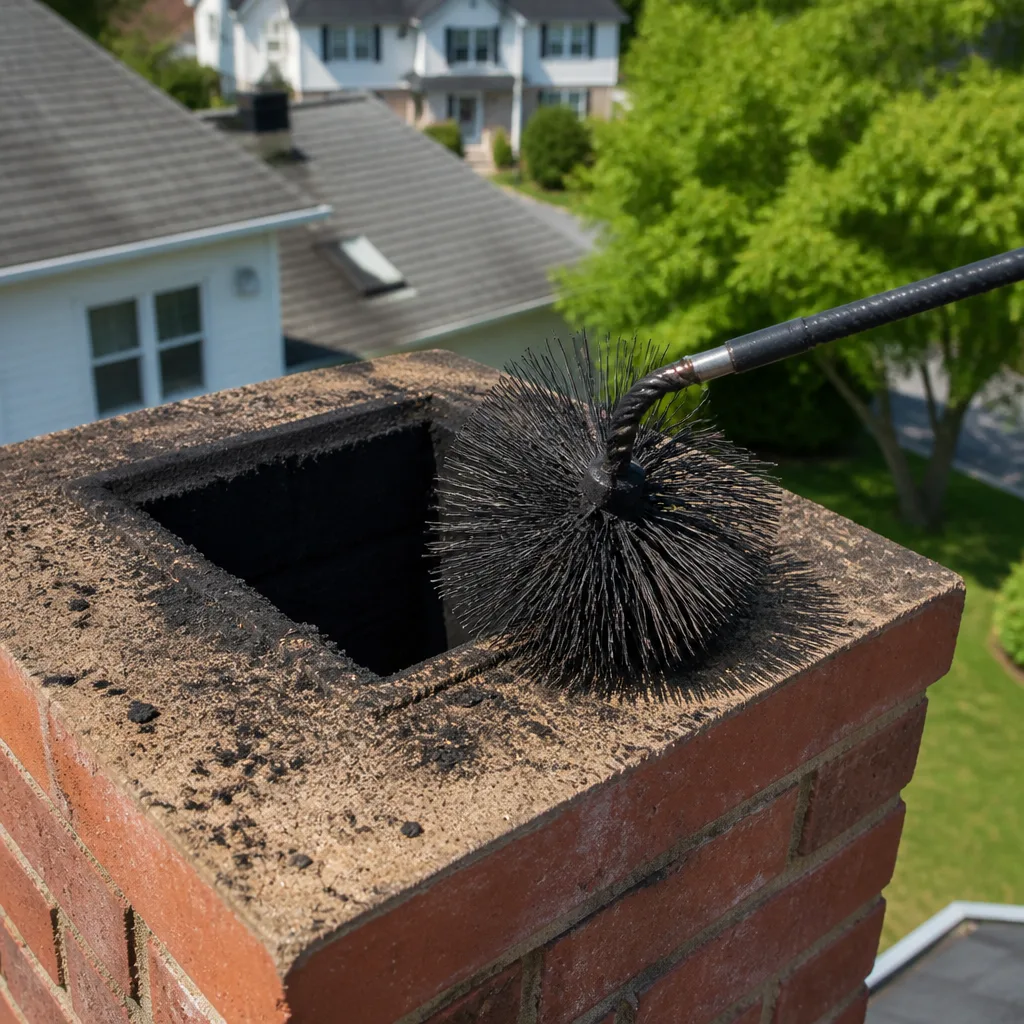
Chimney sweep logs do not sweep chimneys. They loosen some creosote - which then falls where a brush and vacuum still have to collect it.
Chimney Cleaning Warning Signs: A Bay Ridge Homeowner’s Reference Guide
Most homeowners picture a chimney problem the same way: flames or sparks climbing out of the top of the flue. That image is dramatic, and it’s rare. The warning signs that actually matter in a Bay Ridge rowhouse are quieter. A faint smoky smell in the living room on a windy afternoon. A thin white bloom spreading across the brick on the outside of the chimney. A fire that’s suddenly sluggish to catch. These small signals are the ones people explain away for months, and they’re the ones that tend to show up before a serious problem does. In our experience, the loud failures rarely arrive without a long, readable warning first. This guide teaches you to read it: the odors, the marks on brick, the way smoke and draft behave, and how much time each warning gives you before it becomes a repair instead of a cleaning.
Quick Answer
The main chimney cleaning warning signs are unusual odors (smoky, musty, or a chemical backdraft smell), white efflorescence staining on the exterior brick, dark creosote visible at the damper or flue throat, smoke that rolls into the room instead of drawing up, and a draft that feels weak or reversed. Any one of these means the chimney should be inspected before the next fire. Spotting them early is what separates a routine sweep from a liner or masonry repair, and a Bay Ridge homeowner who learns these signals usually catches problems while they’re still inexpensive to fix.
Styles & brands we work with
- Sweep & inspection
- Caps & crowns
- Flue relining
- Masonry repair
- Gas fireplace service
Table of Contents
- What the Four Chimney Odors Are Telling You
- Reading Your Chimney From the Outside
- Why White Staining on Brick Is a Moisture Warning
- Fireplace Cues: Smoke, Draft, and Fire Behavior
- The Timeline From First Warning to Failure
- What a Proper Inspection Actually Checks
- Common Mistakes to Avoid
- When to Call a Professional
What the Four Chimney Odors Are Telling You
A strange smell in the house is the most common reason people call a chimney company, and it’s also the most misunderstood. Not every odor means the same thing. A smoky smell in the living room during windy weather isn’t always a draft problem; it can mean a cracked flue tile venting combustion gases into the chase, and that is a problem no amount of cleaning will solve. Learning to separate the four main odor profiles tells you roughly what you’re dealing with before anyone arrives.
1. Strong, acrid, campfire-adjacent smell (creosote). This is the smell of creosote buildup. Burning wood deposits creosote on the flue walls, and when it concentrates, the odor travels down into the room on warm days even with no fire burning. It sharpens in humid weather. This is a cleaning signal.
2. Musty, damp, wet-ash smell (water intrusion). A damp, earthy smell is moisture inside the chimney, usually getting in through a failing cap or crown or a cracked tile. It’s often strongest after rain. In the older rowhouse stock here, where a chimney sits close to a parapet wall, these leaks have more paths to travel than homeowners expect. Where you call our chimney cap & crown work in.
3. Animal-nesting smell (birds, squirrels, raccoons). A drier, papery, or faintly foul smell, sometimes with scratching or fluttering sounds, points to a nest lodged in the flue. Nests block the flue and are a fire and carbon monoxide risk, so this one is not a wait-and-see signal.
4. Faint gas or chemical smell with a backdraft feel (flue gas backdraft). If you smell combustion gases in the room with no obvious fire, or the room feels like it’s pulling air toward the fireplace, combustion gases may be backdrafting into the house. This is the most serious odor on the list and it needs a professional look before the next burn.
Reading Your Chimney From the Outside
Your chimney will often tell you what’s happening inside before you notice anything in the house, and the brickwork is the tell. Take a look from the sidewalk or a rear window a few times a season, especially after a heavy rain. The exterior staining pattern on a Bay Ridge rowhouse chimney is one of the most reliable early-warning surfaces you’ve got.
Here’s what to look for, and what each surface cue points to:
- White, chalky bloom on the brick – moisture escaping through the masonry, discussed in the next section.
- Dark streaking below the cap – water or creosote running down from a failing cap or a damaged flue top.
- Chunks or grit accumulating at the base – spalling brick or deteriorated mortar joints, often a sign that water has been getting in for a while.
- Cracks in the mortar or crown – the crown is the capped top of the chimney, and a cracked crown is a direct path for water.
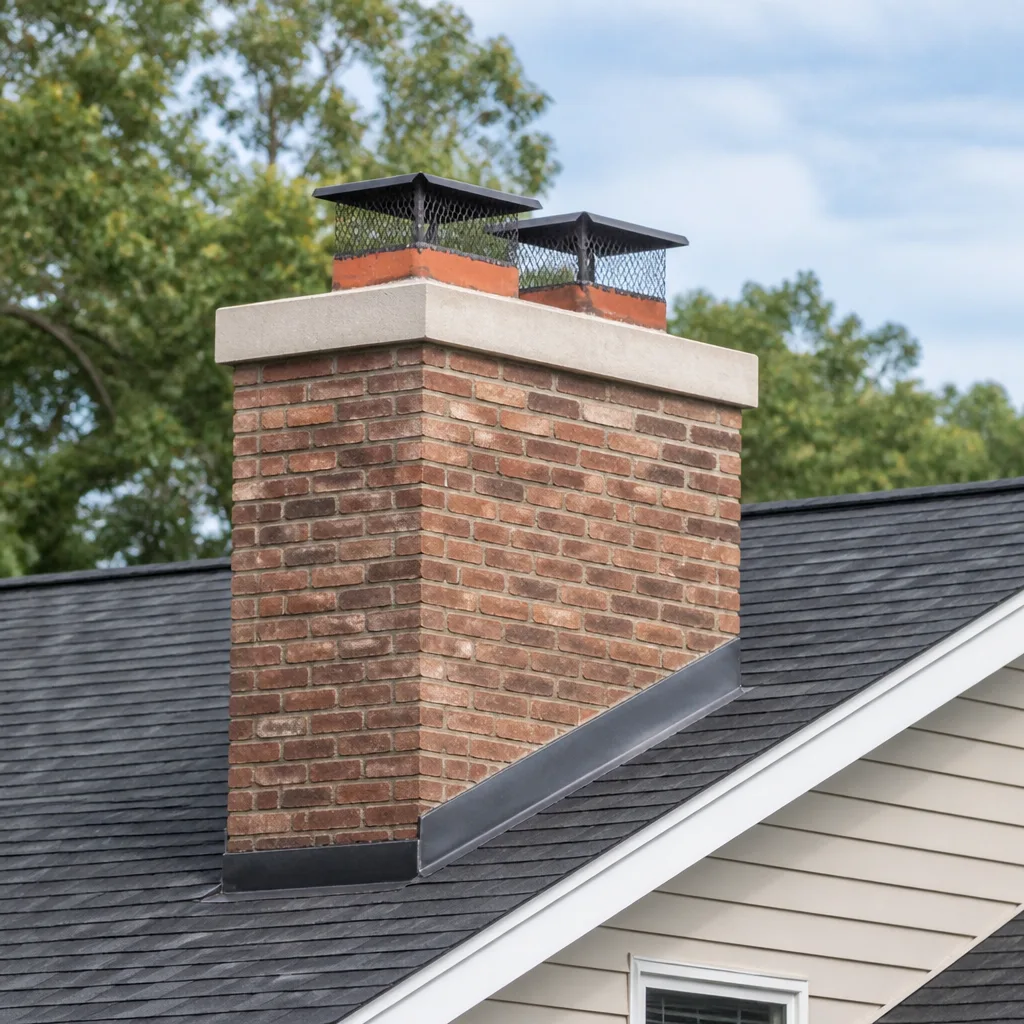
- A loose or missing cap – the cap keeps water, weather, and animals out of the flue; a damaged or missing cap turns the flue into an intake for all three.
On a rowhouse, the chimney is often shared or tightly built against a neighboring wall, so a problem on your side can look like a problem on the neighbor’s. Camera inspection is the only way to know for sure which side of the flue is venting water into the chase. When exterior cues point to water, we typically specify replacement components from brands like Olympia Chimney and Gelco, because cap and crown parts that aren’t rated for the exposure fail fastest. If you spot any of these cues, the next step isn’t a guess, it’s an inspection.
Why White Staining on Brick Is a Moisture Warning
White staining on brick is called efflorescence, and homeowners almost always treat it as a cosmetic problem to be scrubbed away. It’s not. Efflorescence is the visible end of a moisture problem: water gets into the masonry, dissolves salts inside the brick and mortar, then pushes them to the surface as the wall dries. The white powder is the watermark left behind.
The reason it’s a warning and not a tidiness issue is what it says about the flue. Water doesn’t get into brick in a vacuum. It gets in through a point of entry: a cracked crown, a failed cap, deteriorated mortar, or a damaged flue tile. If efflorescence is blooming on the outside of your chimney in Bay Ridge, there is a real chance water is working through the masonry and, in the worst case, reaching the flue liner. If moisture is getting into the liner, the flue tiles can crack, and that’s where the repair costs jump from a crown replacement to a liner job.
Here’s how we treat it. We use the chimney repair visit to find the entry point with a camera inspection, then address the source: crown, cap, mortar, or flue. Where liner cracks call for resurfacing rather than full replacement, we use HeatShield, a ceramic resurfacing system that extends flue life without a full reliner. The point is the diagnosis, not the scrub. If the efflorescence is light and the brick isn’t crumbling, there may be time to plan the work. If the brick has started to flake or the mortar is soft, the water has been in there long enough to stop waiting.
Fireplace Cues: Smoke, Draft, and Fire Behavior
The fireplace itself is a diagnostic instrument if you watch it. Most people build a fire, get it going, and never notice the small changes. The three operational cues below tell you whether you’re dealing with an airflow obstruction or a structural problem, and they usually appear in that order.
- Draft feel. Before you light a fire, hold your hand near the open damper and feel the air. A healthy flue pulls room air steadily upward. A weak, lazy, or still draft with a cold chimney is normal after a long idle period, but a draft that feels reversed – pushing cold air down into the room – is a red flag. It can mean a blockage, a flue that’s too cold, or a damaged flue that’s no longer drawing correctly.
- Smoke behavior. Watch where the smoke goes at ignition. A little spillage as the flue warms is normal. Smoke that rolls out of the firebox into the room and doesn’t clear is not. Persistent smoke spillage points to one of three things: a creosote-clogged flue, a blocked flue, or a pressure problem in the house. Structural damage like a cracked flue tile can also cause it by letting air in where it shouldn’t. This is where a Bay Ridge homeowner should call a chimney sweep to rule out a simple blockage before assuming a structural problem.
- Fire character. A well-drafted fire burns steadily and smells clean. A fire that’s sluggish, smolders, hisses, or pops, and that sends smoke into the room, is fighting for air. That fight is a signal. It means the flue isn’t pulling correctly, often because creosote or a nest is narrowing the path, and sometimes because the flue geometry is damaged.
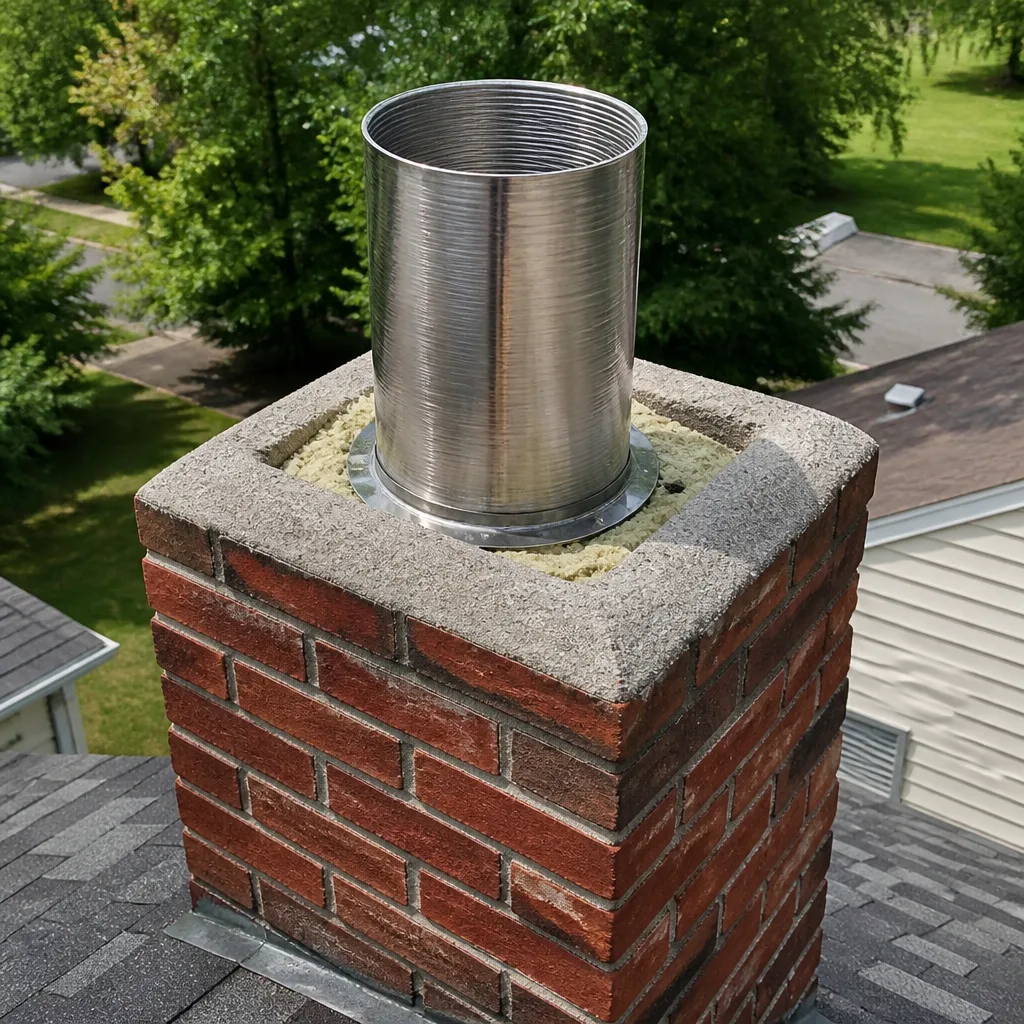
Offset or angled flues are especially prone to trouble in older homes. Those bends are where creosote pockets form and where rigid liner installers tend to hit a wall. DuraFlex flexible liner systems exist for exactly these configurations, and a company that carries them can usually handle the flue rather than turn it away.
The Timeline From First Warning to Failure
One of the questions Bay Ridge homeowners ask us most is simply “how long do I have?” The honest answer depends on the problem, but the timeline is predictable enough to plan around. The three most common problems we see here each have a rough arc from first warning to critical failure.
Creosote buildup: the fastest and most predictable. Creosote accumulates every time you burn wood. On an actively used fireplace, from the first warnings – a smell, a sluggish fire, visible crust at the throat – the buildup can escalate. If it’s not swept, the stage moves toward a glazed, hardened deposit that a normal cleaning can’t remove. That’s where chimney fires start, and a chimney fire can happen in any stage. This is the warning sign most worth acting on quickly. A sweep is the simplest fix, and it’s what we do every day. If you’re not sure whether you’re overdue, our Chimney Sweep Bay Ridge page covers how to tell.
Water intrusion: the slowest, most destructive. From the first white staining or damp smell, water can keep working through the masonry for a long time before the damage becomes obvious inside. The failure point shows up as soaked mortar, spalling brick, or a cracked flue. Because it acts slowly, many homeowners tune it out for a full season. That’s when a small crown repair turns into major work. If you spot interior water, act sooner than you think you need to.
Blockage: the most dangerous of the three. A nest, a fallen tile, or heavy creosote can narrow the flue to the point where combustion gases don’t have a clear path out. This one is a safety issue first and a repair second. If you suspect a blockage, don’t burn. We treat blocked flues as a priority and can often clear them with a full inspection and sweep. If a fallen or cracked tile is the cause, DuraFlex and similar systems can usually retrofit a proper flue liner into a chimney with bends or restricted access.
What a Proper Inspection Actually Checks
An inspection is the honest starting point for everything above. It’s not a sales funnel, and it shouldn’t feel like one. We frame the job this way: the inspection tells you what’s actually happening, and then you decide. Here’s what a thorough inspection checks, roughly in order:
- The flue interior. That means a camera view of the flue, working from the firebox up and from the top down if we can get to the top. Camera work is good only if you get to see a photo report of what it found.
- Creosote condition. How much, at what thickness, and whether it’s the dry or glazed type. That tells us whether a standard sweep will do the job or whether it’s gone further.
- The liner. Cracks, gaps, misalignments in the flue tiles, and signs of water damage within the flue. This is where most structural repairs get decided.
- The crown and cap. The two most common water entry points. We check the crown for cracks and the cap for fit and damage.
- The damper and firebox. Operation, seal, and wear.
- The appliance and venting. For gas fireplaces, that’s the appliance and its venting; for wood, the firebox and smoke shelf.
In our experience, roughly the same small set of findings repeats itself across Bay Ridge rowhouses: a crown that needs repair, a cap that’s been doing its job but is due, or a flue that’s ready for a sweep. Where a flue needs a new component, we specify it by name from our trade roster – Gelco, Olympia Chimney, Famco, Copperfield – because materials matter and generalist contractors rarely stock the right ones. You should leave an inspection knowing what you have, not what you’re being sold.
Common Mistakes to Avoid
- Treating white staining as a cleaning problem. Scrubbing efflorescence off without finding the water source just hides the symptom. The water is still getting in, and the flue is still at risk. The source matters more than the surface.
- Assuming a smoky smell means “call a sweep” and nothing more. Sometimes it means exactly that. Sometimes it means a cracked flue venting gases you can’t see. A sweep without an inspection can miss the second one.
- Burning through a blockage. If the draft is wrong, the fire hesitates, or you smell a nest, don’t light a fire to “test it.” Blocked flues push combustion gases into the room. Get it checked.
- Skipping the off-season look. The easiest time to catch efflorescence, a cracked crown, or a loose cap is when the fireplace is idle. A once-a-season walk-around outside, from the sidewalk, catches problems while they’re still small. If you hire contractors for other trades, ask whether they even touch chimneys. Most don’t.
- Getting a cleaning without seeing evidence. If a chimney company tells you it needs a liner job or masonry work, ask to see the camera footage. You shouldn’t have to take that on faith. We include a camera inspection and photo report with the sweep so you’ve got the evidence in front of you.
- Mixing up the services. A sweep cleans; an inspection diagnoses; a repair restores. A company that only offers one of the three will tend to find exactly the one problem they can fix. We cover all five of our service categories, so there’s no handoff gap and no one sales pitch.
- Letting a small cap problem wait a season. A cap is one of the cheapest parts of the system. The cost of leaving a bad one on for a year shows up later as mortar and flue damage.
When to Call a Professional
Call a professional chimney specialist when any of these is true: you smell a persistent smoky, musty, or chemical odor in the room with no fire burning; you see white staining spreading on the exterior brick; your fire smolders or won’t catch; smoke rolls into the room; the draft feels weak or reversed; or you haven’t had the chimney inspected since you started using it. The moment to call is the first time any of these signals shows up, before a cleaning need turns into a structural repair. A specialist sees chimney systems every day and will spot the difference between a sweep and a repair in a single visit, which is cheaper than finding out the hard way.
Chimney Sweep Bay Ridge offers free estimates in Bay Ridge. Call (855) 551-0049. We answer 24/7. Fast dispatch from 7am to 7pm, Sunday through Friday. Our technicians have up to 11 years of experience, we carry the specialist materials the job needs, and we show you the camera evidence before anything gets recommended.
See the difference
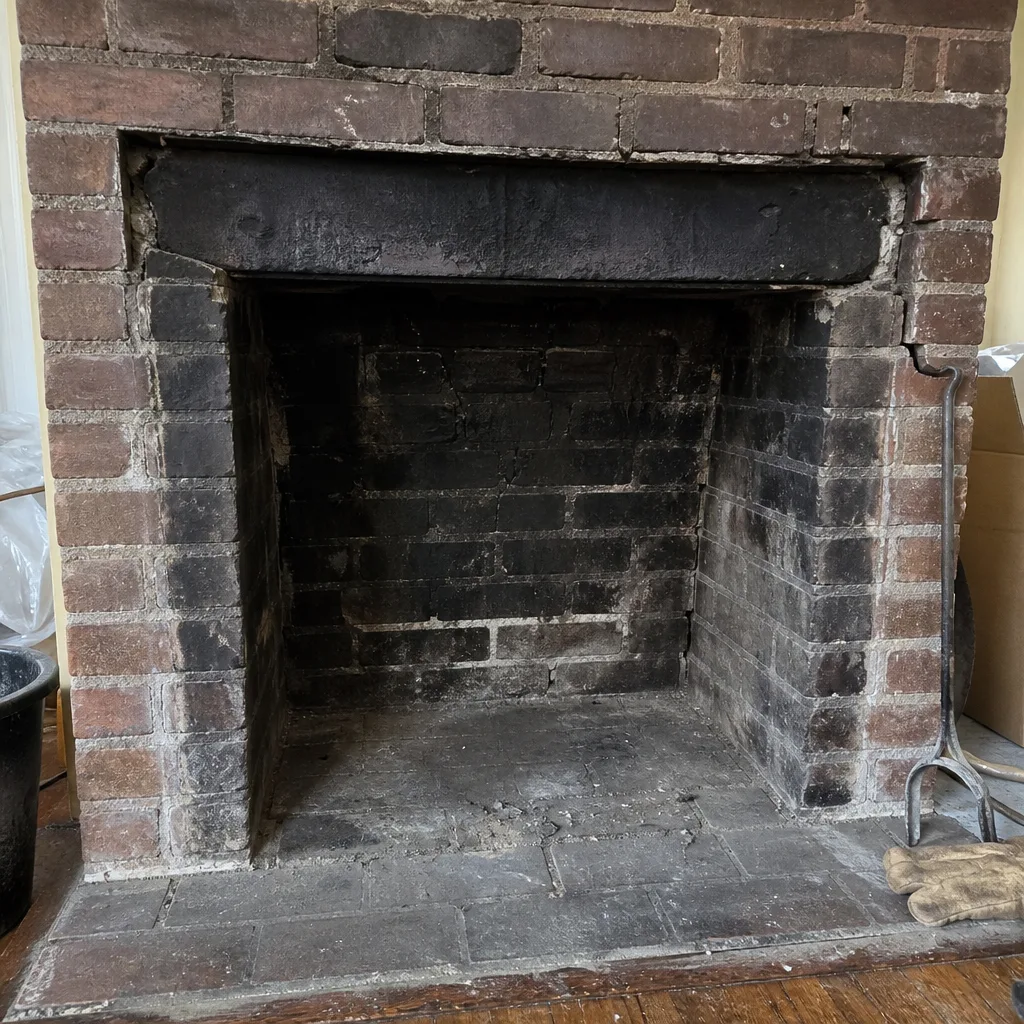 Before
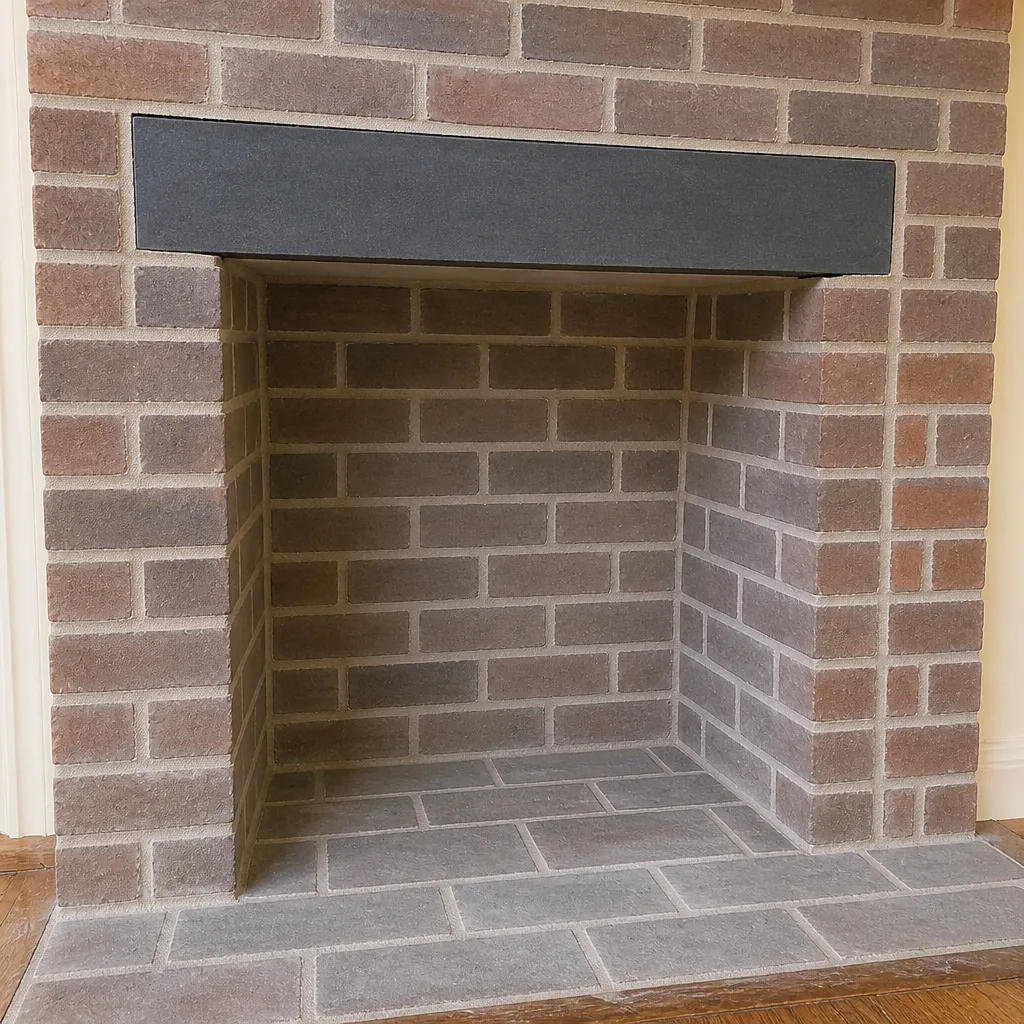 After
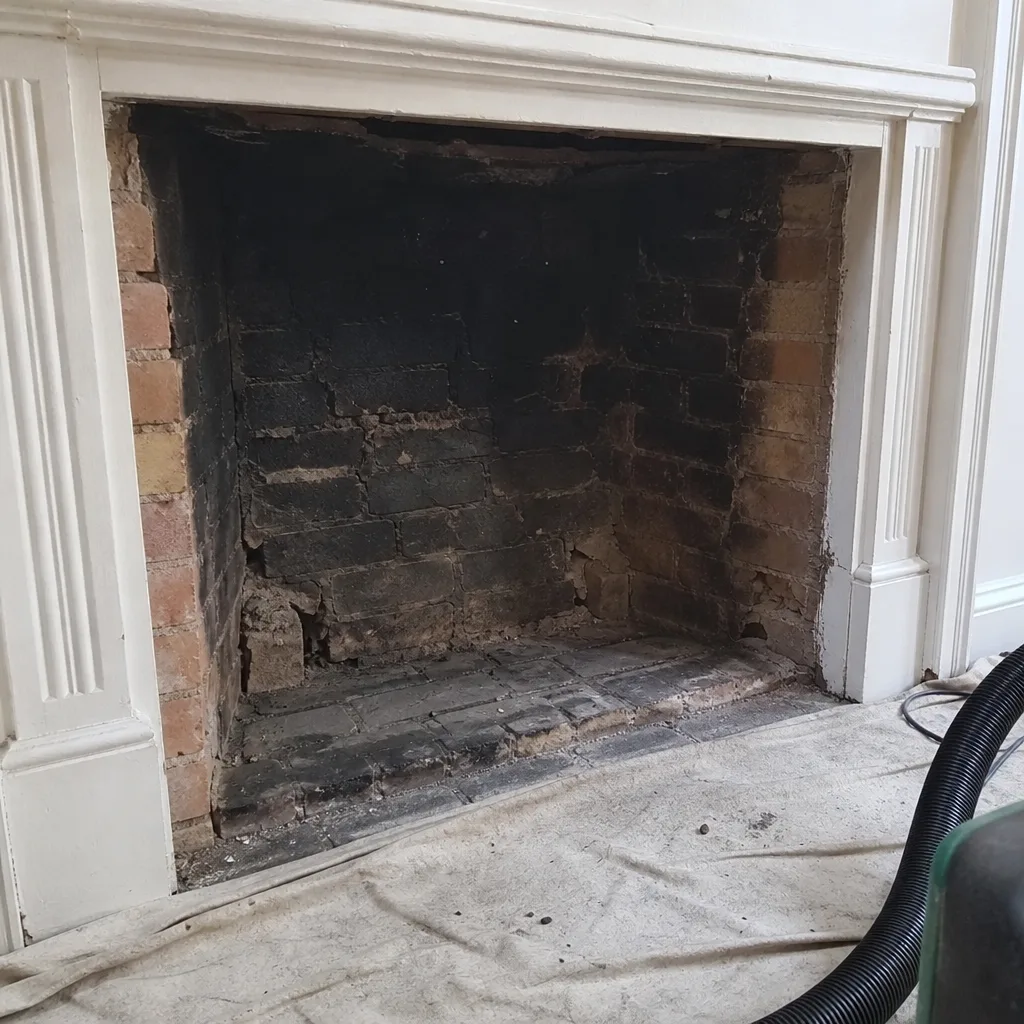 Before
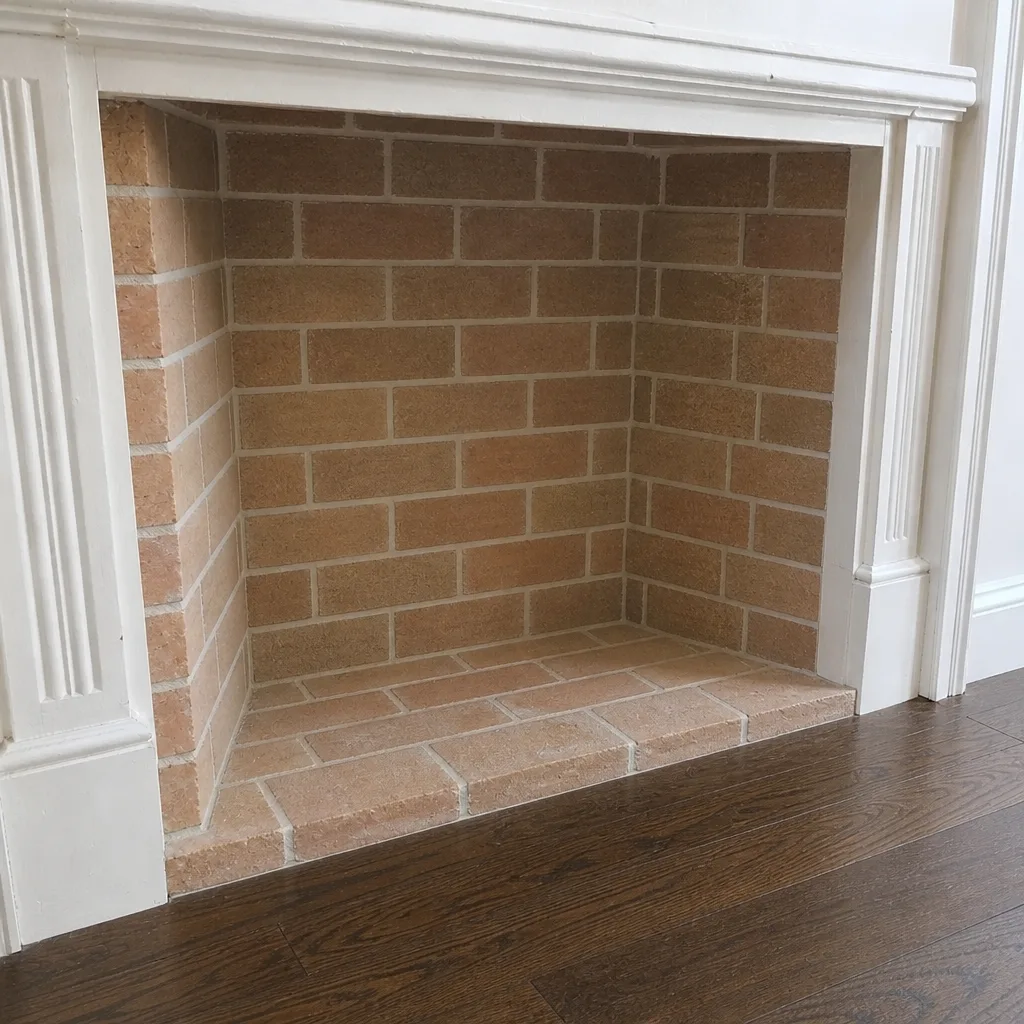 After
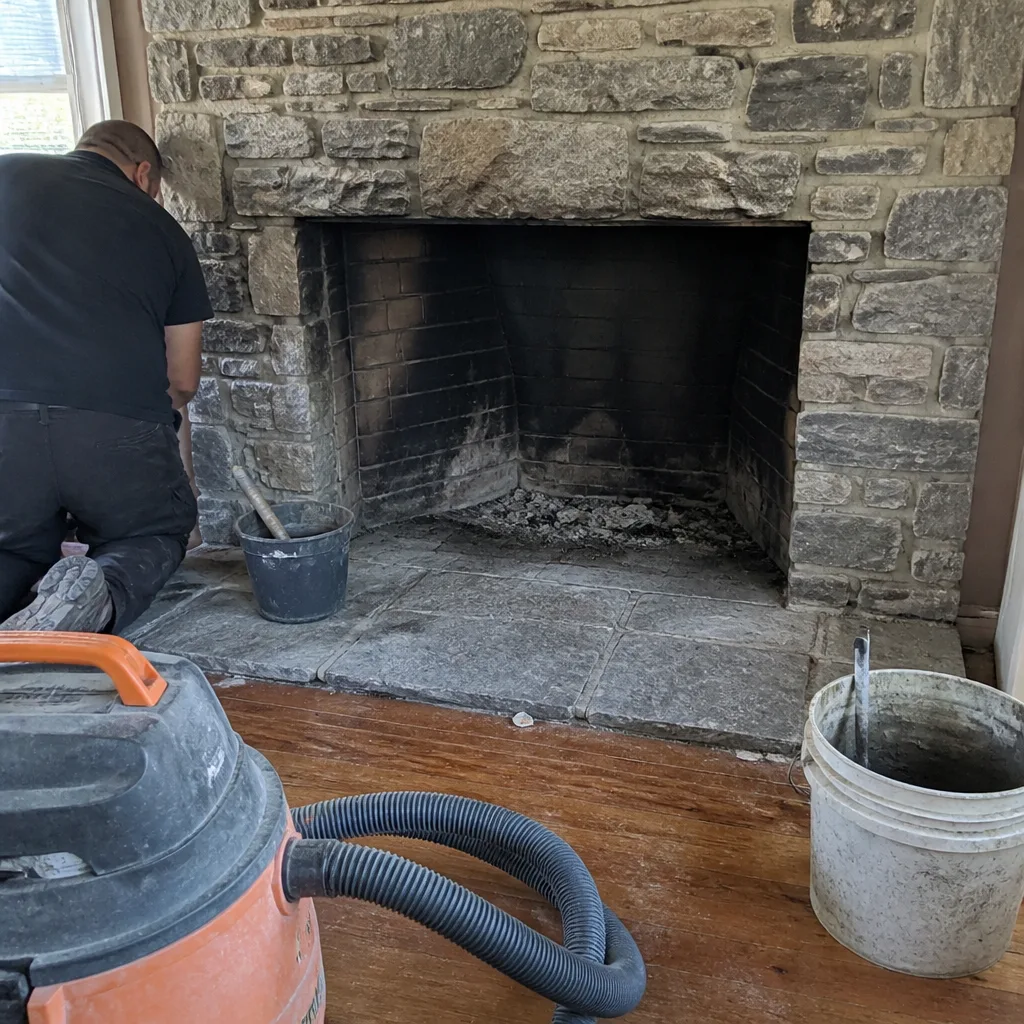 Before
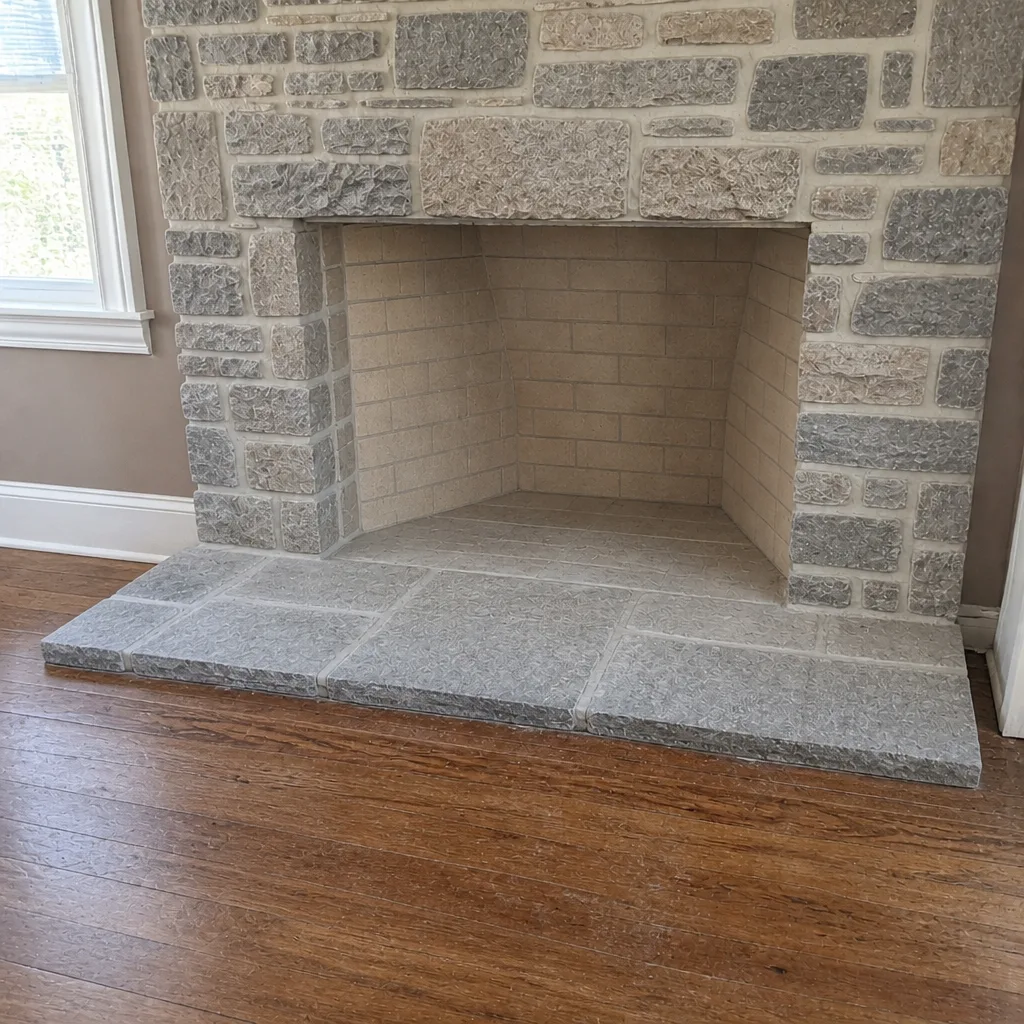 After
Frequently Asked Questions
Most homeowners should have the chimney inspected once a year and swept when the inspection shows buildup. If you burn wood regularly through the season, an annual sweep is a sensible baseline; a gas fireplace usually needs inspection less often. The annual inspection is the part that can’t slide, because it’s the only time the flue, liner, crown, and cap all get checked together. Call (855) 551-0049 to book a sweep or inspection – estimates are free.
The earliest signs are usually a strange odor (smoky, musty, or chemical), a fire that’s sluggish to catch, or white staining on the exterior brick. Visible creosote at the damper and smoke that spills into the room come next. These are operational signals, and they usually show up well before anything dramatic. Call (855) 551-0049 for a free estimate if you notice any of them.
A cleaning is enough when the problem is buildup; a liner question comes up when the flue tiles are actually cracked, misaligned, or water-damaged. The only way to know is a camera inspection, and you should insist on seeing the footage. Where the tiles are sound and the issue is surface cracking, HeatShield ceramic resurfacing can often extend flue life without a full reliner. Where the flue needs replacement, a flexible system like DuraFlex handles bends and offsets that are common in older Bay Ridge homes. Call (855) 551-0049 and we’ll show you what’s there before recommending anything.
White staining (efflorescence) is a moisture warning, not a cosmetic issue. It means water is getting into the masonry and pushing salts out as it dries. The real question is where the water is entering, which is usually the crown, the cap, or the mortar joints. When the efflorescence is light and the brick is intact, there’s often time to plan the repair. When the brick is flaking or soft, act sooner. Call (855) 551-0049 and we’ll find the source with an inspection – estimates are free.
A smoky smell when the fireplace is idle usually means one of two things: creosote buildup in the flue, or a backdraft pushing air down the chimney. Creosote smells acrid; a backdraft smells faintly of combustion gas and comes with that cold-air pull into the room. The second one is the more serious of the two, because it can mean flue gases are entering the house. Don’t burn until it’s checked. Call (855) 551-0049 for a free estimate.
You can find chimney brushes and do-it-yourself videos, and we understand the appeal. The problem is that a brush can’t see a cracked tile, a gap in the liner, or a crown that’s letting water in – the parts of the system that actually matter. For a chimney with a sound flue and light buildup, self-cleaning is unlikely to cause harm; but if the flue has cracks or the firebox has damage, you can’t tell from the inside, and that’s what an inspection catches. If you’re going to clean it yourself, book the annual inspection so someone looks at the parts a brush can’t reach. Call (855) 551-0049 to schedule – estimates are free.
The Bottom Line
The signs worth watching are the quiet ones: the odor you can’t place, the white bloom on the brick, the fire that fights for air, and the draft that feels wrong. Those are the early warnings, and in our experience, paying attention to them is what separates a routine sweep from a liner or masonry repair. The practical takeaway is short. Learn the four odors. Look at the outside of the chimney a few times a season, especially in Bay Ridge rowhouses where a shared wall hides problems. Don’t burn through a suspected blockage. And ask to see the camera evidence before any repair is recommended. A specialist will tell you when work can safely wait. Ask us, and we’ll give you that straight answer.
Call (855) 551-0049. We answer 24/7. Fast dispatch from 7am to 7pm, Sunday through Friday. Free estimates, camera inspection and photo report included, and a flat-price sweep agreed before booking.
Written by the team at Chimney Sweep Bay Ridge.