
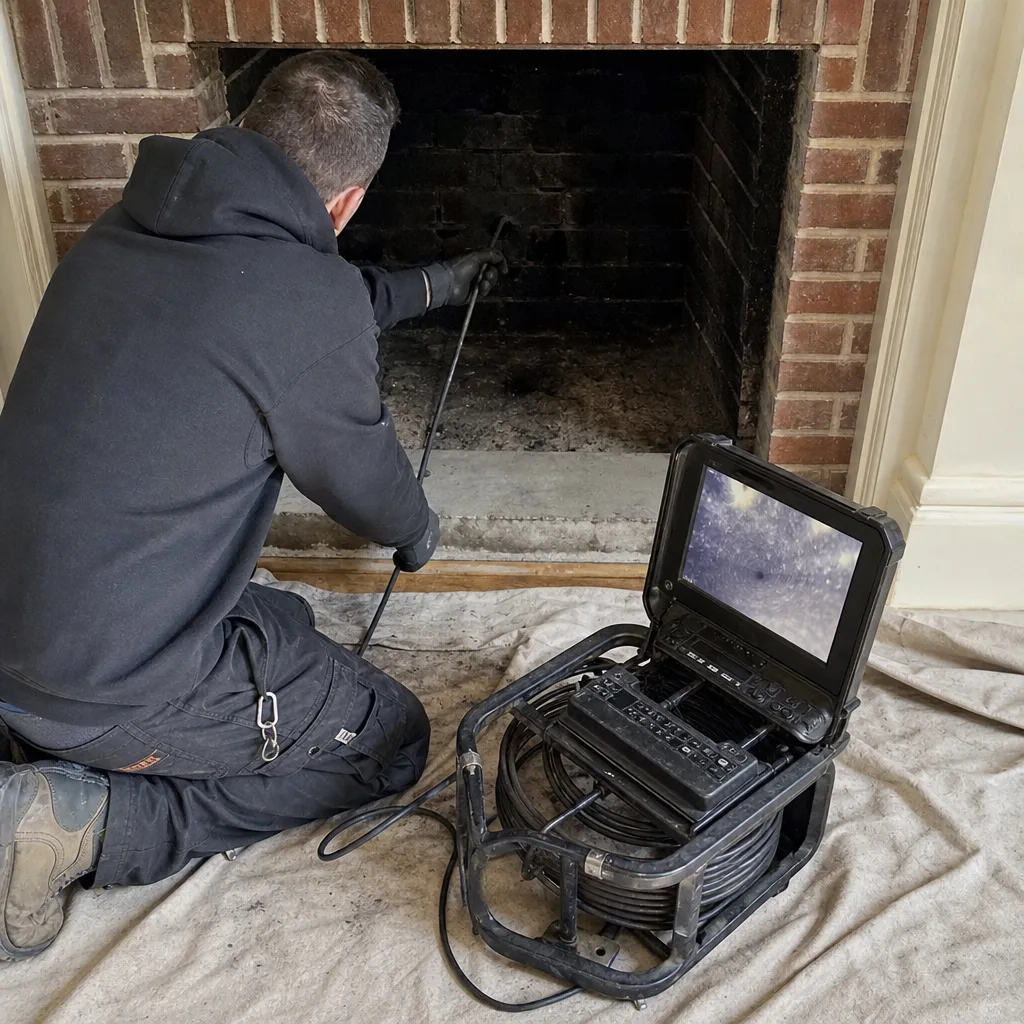
Last updated November 22, 2026
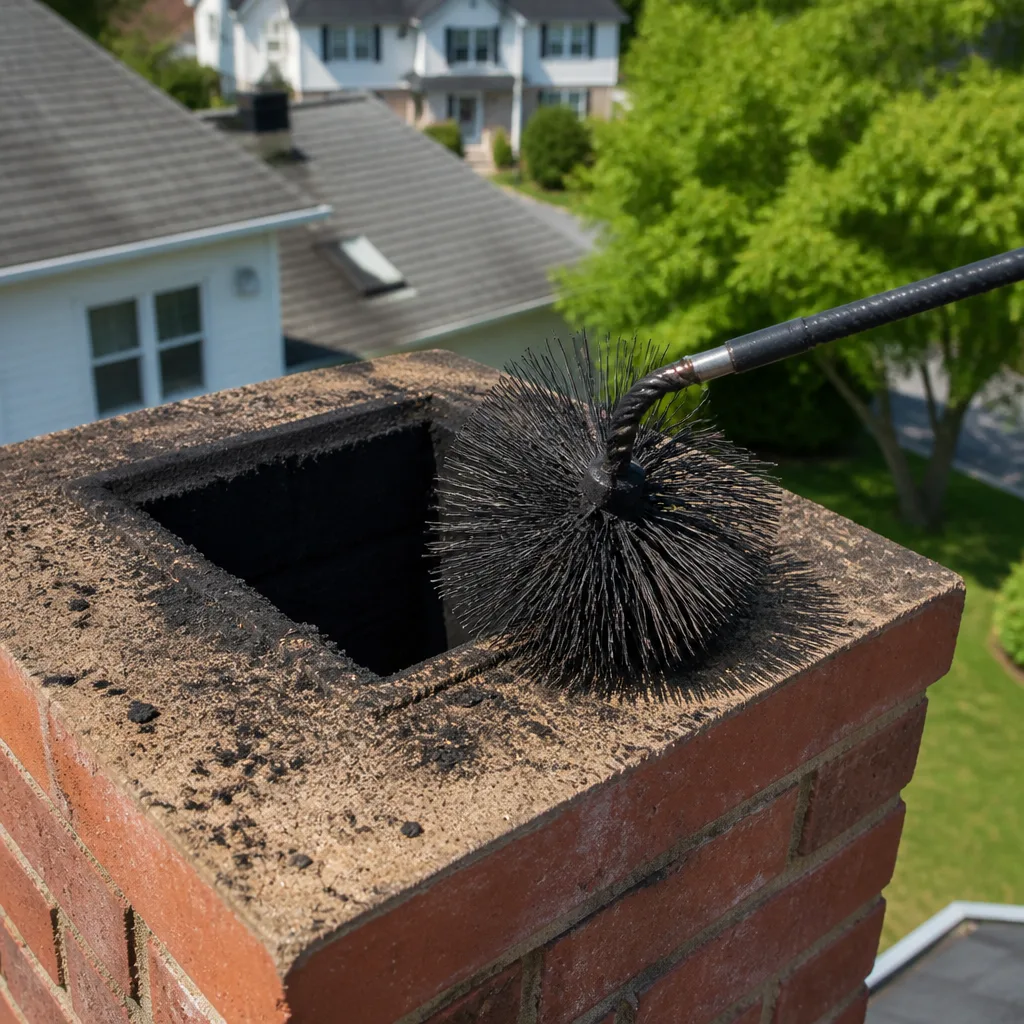 Sweep & inspection
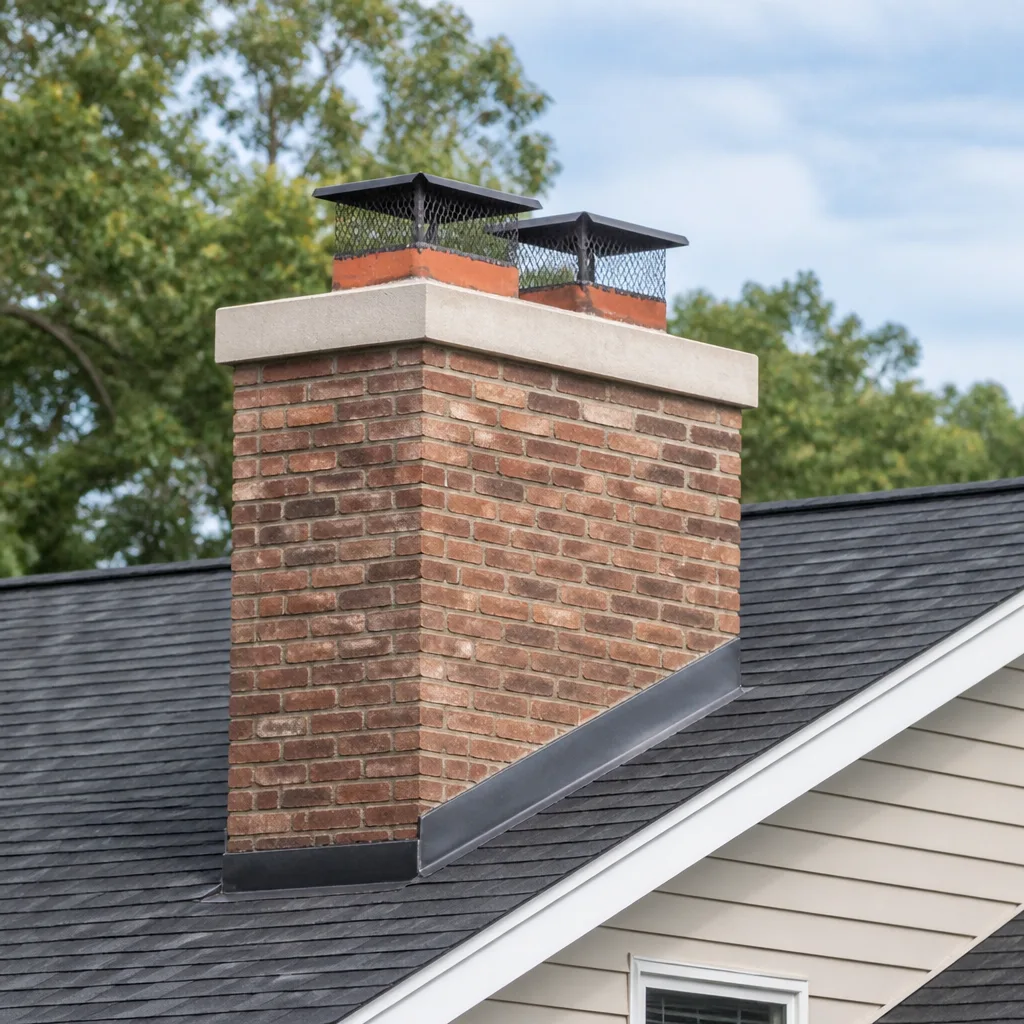 Caps & crowns
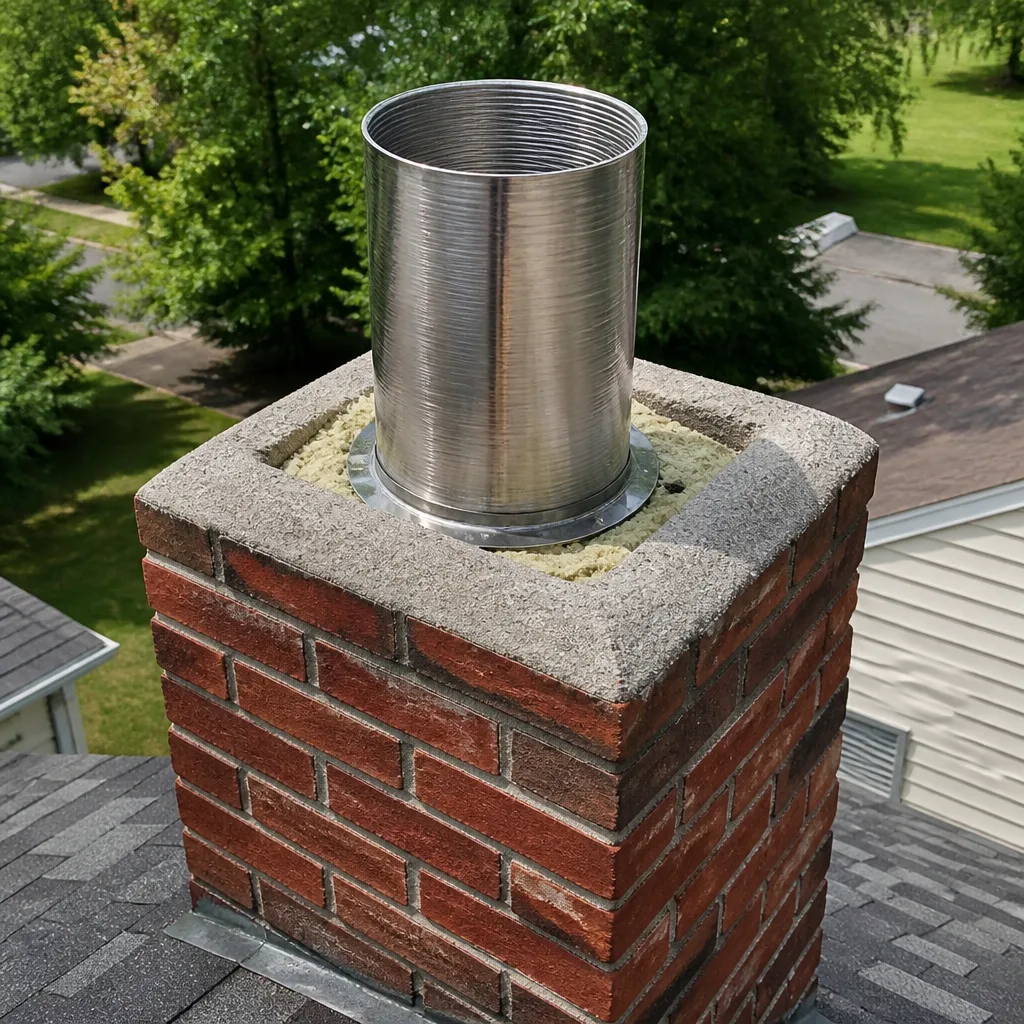 Flue relining
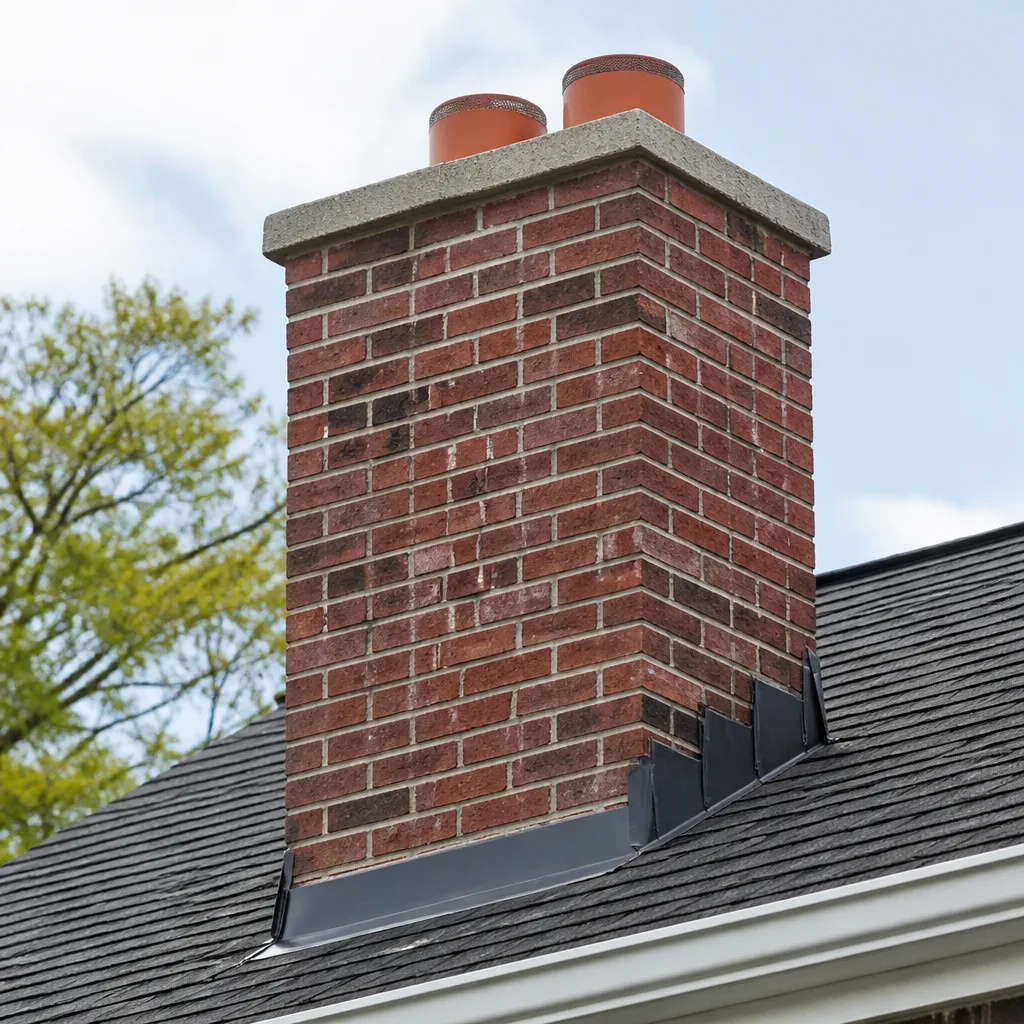 Masonry repair
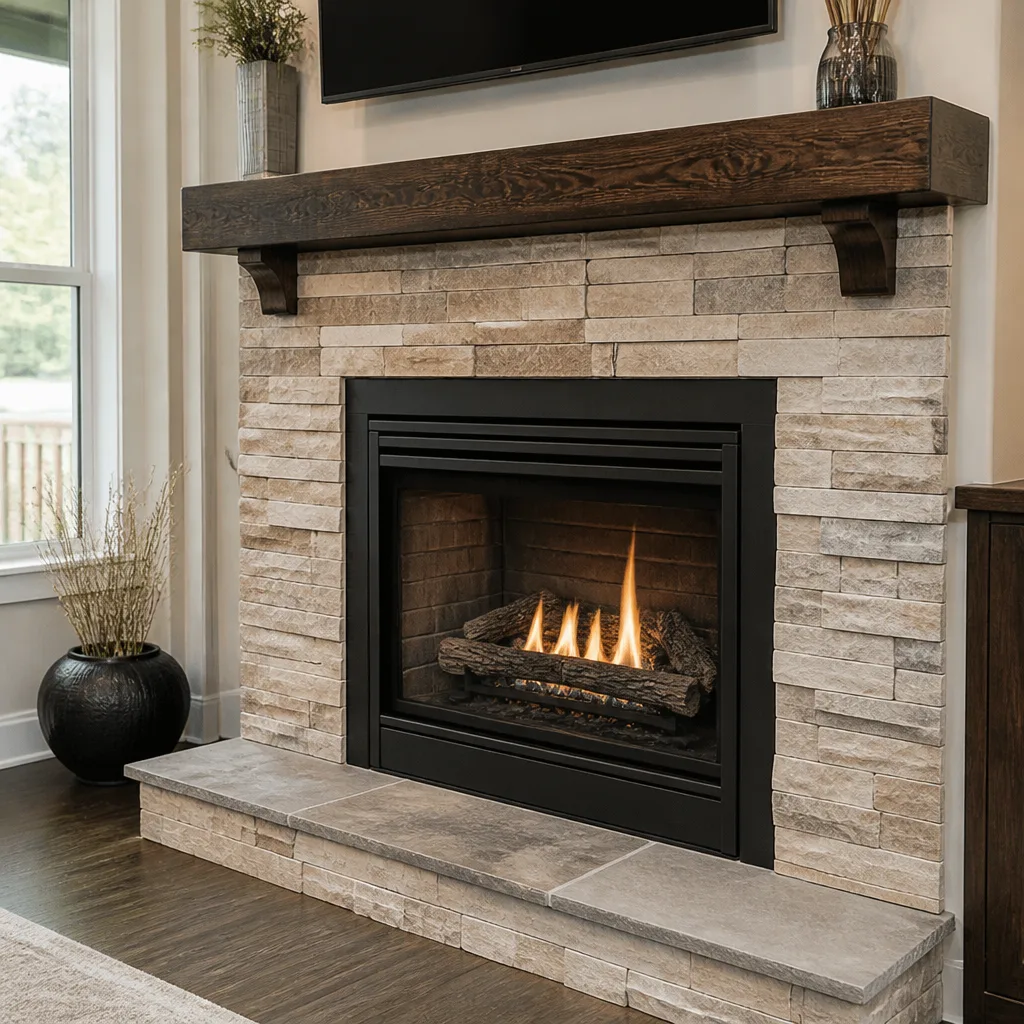 Gas fireplace service
Level 1 sweep and inspection to the NFPA 211 annual standard - flue, crown, cap, and flashing checked and photographed
Chimney sweep logs do not sweep chimneys. They loosen some creosote - which then falls where a brush and vacuum still have to collect it.
Chimney Sweep Maintenance Checklist for Bay Ridge Homeowners
The most common misconception about chimney care is that a sweep is something you book to solve a problem. In Bay Ridge, the better habit is to dry-run the system on purpose once a year, in calm weather, before the heating season starts. That is when small failures are cheap to catch: a mortar joint opening on the crown, a cap screen rusted through, a flue tile with a hairline crack you can see. This guide lays out a maintenance checklist built for Bay Ridge’s pre-war brick houses, its oil-to-gas conversion chimneys, and the freeze-thaw swings that come with the neighborhood’s climate. You’ll learn what to check, when to check it, what you can safely do yourself, and when to call a sweep.
Quick Answer
A chimney maintenance checklist for Bay Ridge homeowners covers four things: a professional sweep and inspection before each heating season, a visual exterior check of the crown and cap several times a year, confirmation that an oil-to-gas converted chimney still vents correctly with its current liner, and a simple record of every service visit. Do the exterior checks yourself, leave the flue and liner work to a trained professional, and keep dated photos so your documentation is ready for insurance or resale.
Styles & brands we work with
- Sweep & inspection
- Caps & crowns
- Flue relining
- Masonry repair
- Gas fireplace service
Table of Contents
- Why Bay Ridge Chimneys Fail Differently
- The Pre-Season Checklist
- Oil-to-Gas Conversions and the Orphaned Liner
- Moisture, Mortar, and the Exterior Crown
- A Month-by-Month Maintenance Calendar for Bay Ridge
- What You Can Check Yourself vs. What Needs a Sweep
- Documentation That Matters for Insurance and Resale
- Common Mistakes to Avoid
Why Bay Ridge Chimneys Fail Differently
Bay Ridge’s housing stock is old and heavy. A large share of the neighborhood’s detached and semi-detached houses are pre-war brick, which means solid masonry chimneys with flue tiles set inside the brickwork and mortar joints doing all the sealing. That construction is durable, but it wins and loses in specific ways. The brick face weathers from the freeze-thaw cycle: water gets into a hairline crack or a soft mortar joint, freezes overnight, expands, and then thaws and reopens the crack a little wider. Repeat that over enough winters and a joint that started as a cosmetic line becomes a place where water moves into the chimney’s interior.
The neighborhood’s position beside the Narrows and Upper New York Bay adds the other half of the story. Moisture-laden air moves through constantly, and the wind off the water pushes rain sideways against the exposed crown and cap more often than it would in a sheltered inland neighborhood. We’re not talking about corrosion on the masonry itself. The real effect is on the parts that are supposed to keep water out: the crown on top, the cap screen, the mortar at the chimney’s shoulders. When those fail, the chimney’s interior becomes a reservoir rather than a channel.
What makes this local rather than generic is the combination. A pre-war brick chimney in an inland town and a pre-war brick chimney in Bay Ridge are the same structure, but the Bay Ridge version gets more wetting cycles per year and has more buildings sharing party walls and shared flue stacks. A failure in one unit can affect a neighbor’s draft or their masonry. That’s why the checklist below is built around moisture management and venting as much as cleaning. Cleaning is real work; keeping the structure intact is the other half of the job.
The Pre-Season Checklist
Run this checklist in the late summer or early fall, before the first sustained cold snap and before the heating season begins. The idea is to catch anything that would get worse once the system is running daily. You’ll want a flashlight, a pair of work gloves, binoculars for viewing the chimney from the ground, and a phone for photographing what you find.
- Book the sweep and inspection first. A trained technician will sweep the flue and check the liner, firebox, damper, and the full venting path. Book it before the season, not after. Scheduling a chimney sweep in the fall also gets you an honest baseline on the system’s current condition.
- Look at the exterior chimney from the ground. Use binoculars or a photo zoomed in from the sidewalk. You’re looking for a missing or damaged cap, a crown with visible cracks or a spalling surface, loose bricks, and any white powdery staining on the brick face.
- Check the damper. Open and close it by hand. It should move cleanly and seat fully. A damper that sticks open trades heat for air and dulls your draft.
- Confirm the flue is sized for the appliance. If your house was converted from oil to gas, this is the step where the checklist earns its keep. In a converted house, the appliance flue opening may now be larger than the current burner needs, which affects draft and condensation. A sweep will check it properly; you can at least note what appliance is currently connected.
- Clear the firebox area. No stored cardboard, no ash pile high enough to sit against the firebox walls. Ash removal is something you can do yourself with a metal scoop and a metal bucket.
- Inspect the cap screen. A cap screen does two jobs: it keeps rain and animals out and it lets exhaust escape. If the screen is clogged with creosote or debris, the flue can’t breathe. If it’s rusted through, animals get in and nests cause blockages. A working chimney cap & crown combination is the single most effective water-management investment on the chimney, which is why we check it on every visit.
- Note any interior symptoms. Staining on the ceiling near the chimney breast, an odor in the room during or after a fire, or soot on the face of the fireplace are all signs to mention to the technician before the sweep starts.
Oil-to-Gas Conversions and the Orphaned Liner
A chimney in a converted Bay Ridge house is venting for an appliance it wasn’t originally sized for. When a home switched from an oil furnace to a gas furnace, the chimney didn’t change, but the appliance did. Oil furnaces vented through a larger flue with more heat in the exhaust; a modern gas appliance produces less heat and more water vapor, and if it’s still sharing a flue sized for oil, the flue stays cool and doesn’t draft properly. The liner itself may now be “orphaned” – a flue that’s been abandoned, or a flue still in service but now oversized for its appliance. Either one changes what you’re looking at.
That’s why the oil-to-gas question belongs on the maintenance checklist, not just on the installation paperwork. What you as a homeowner can check:
- Which appliances are still connected to the chimney, and whether your water heater is venting into the same flue as the furnace.
- Whether you notice odors in the basement or near the appliance, which often point to poor draft or a flue that’s cooling too fast.
- Whether you see white staining or a chalky crust on the exterior brick around the chimney, which is a symptom of moisture in the masonry.
- Whether the liner is the correct type for the current appliance, which is a question for the technician, not the homeowner.
If the flue needs restoration, the options are real and worth asking about. A full relining is one; a specialist-grade restoration of the existing flue is another. We use the HeatShield ceramic resurfacing system for liner restoration, which can extend flue life without a full liner replacement, and we install DuraFlex flexible liners when the flue’s shape demands a liner that can follow the bend. DuraFlex earns its place in offset, non-straight flues where rigid liners simply can’t go; those are common in older converted houses where the roof line or an addition reshaped the original stack. Ask for photographs of what was found before any liner work is quoted, and ask whether the restoration option fits your flue or whether the shape rules it out. A technician who lays out the evidence and lets you decide is the one to keep.
Moisture, Mortar, and the Exterior Crown
The crown is the concrete or masonry slab on top of the chimney that sheds water away from the flue. When it cracks, water follows the crack into the chimney’s interior, freezes, and pushes the masonry apart from the inside. On a Bay Ridge chimney, the crown works harder than it would in a drier climate: more rain events, more freeze-thaw cycles per winter, and the constant moisture pushed by wind off the water. And in pre-war construction, you’re dealing with a crown that’s likely already old and may already be failing in a way that’s hard to see from the ground.
What to look for on the exterior crown:
- Cracks: They can be hairline or wide, and they often start at the flue and work outward.
- Spalling: Small chips or flakes of the crown surface coming loose. This is the freeze-thaw signature and it will get worse in the same season if it’s ignored.
- A slope that’s gone flat: The crown should pitch away from the flue; if it’s level or sloping toward the flue, water pools where it shouldn’t.
- Gaps at the cap-to-crown joint: A cap that’s pulling away or a mortar joint that’s opened where the cap meets the chimney.
- Loose bricks or a leaning top section: These aren’t cosmetic; get them looked at.
Mortar joint erosion on the exterior is the companion problem. Mortar is softer than the brick around it, so it weathers first; you’ll see recessed joints, crumbling texture, or the mortar turning sandy. Bay Ridge’s mix of freeze-thaw swings and damp air speeds that up, and once joints are recessed, water sits in the recess and stays there. Repointing is the fix, and it’s a masonry job that should match the original mortar’s composition, not just any premixed mortar from a hardware store. If you’re moving into a chimney repair phase, this is the kind of work that belongs in a dedicated chimney repair scope, not in a general masonry bundle. We’ve seen a lot of chimneys over the years, and the pattern is consistent: the crown and the cap get attention first because they stop most of the water problems that would otherwise reach the flue.
A Month-by-Month Maintenance Calendar for Bay Ridge
Generic Northeast advice says “sweep in fall.” Bay Ridge’s climate and housing stock want a slightly more specific rhythm, because the freeze-thaw cycle drives the timing. Below is the calendar we’d suggest for a wood-burning or gas fireplace user in the neighborhood. Adjust it to your use, but don’t skip the shoulder seasons.
- March – April: The thaw inspection. Once the last freeze lifts and the ground thaws, walk the exterior of the chimney and photograph the crown, cap, and mortar joints. Any joint that opened or widened during the winter shows up here before the spring rains get into it.
- May – June: The shoulder-season repairs. This is the window for repointing, crown sealing, and cap replacement. The weather is stable and the work isn’t competing with heating season. If you needed liner restoration, book it now rather than in October.
- July – August: Book the pre-season sweep and inspection. Getting on the schedule early for the early fall means you’re not trying to fit a sweep into a busy heating season. Ask for the inspection report and photographs of what the technician saw.
- September – October: The pre-season checklist above. Exterior walk-around, cap screen check, firebox clearing, and confirmation of the appointment. This is also when you re-check the liner question if your house was converted from oil to gas.
- November – February: In-use routines. Burn only well-seasoned wood if you’re using wood; check the cap screen after storms; keep a metal bucket for ash. Note any odors or drafting complaints and bring them up at the next sweep. If you’re a gas fireplace user, a regular visual check that the glass and firebox look as they did at season start is a reasonable routine.
- Any month: after a major storm. Take a photograph of the exterior chimney from the ground. Wind and driving rain can dislodge a cap or open a joint, and it’s cheaper to catch it with a photo and a call than to find it in the spring.
What You Can Check Yourself vs. What Needs a Sweep
There’s a real line between what a homeowner can safely handle and what belongs to a trained professional. Crossing it in the wrong direction is how people get hurt. Here’s how we’d draw it.
Safe for a homeowner to do:
- Visual inspection of the exterior chimney from the ground, using binoculars or a phone camera zoom.
- Opening and closing the damper by hand.
- Clearing stored items and excess ash from the firebox.
- Checking whether the cap screen is blocked or rusted.
- Photographing anything you notice and keeping a dated record.
- Confirming which appliance is connected to which flue.
Requires a trained professional:
- Climbing onto the roof or accessing the flue from the top. Rooftop work is a fall hazard and a mason should be doing it.
- Sweeping the flue yourself. Even with a homeowner brush set, doing this from the roof or from inside without proper equipment risks damage to the liner and exposure to creosote and soot.
- Any liner work, including inspection of the flue’s interior. You can’t see liner cracks from the ground, and an interior camera check is the honest way to know whether a flue needs relining or restoration.
- Crown repair, repointing, cap replacement, or any structural masonry work.
- Any work on a gas appliance connection or its venting.
One more safety point worth naming plainly: carbon monoxide is the gas you can’t see, smell, or taste. It only becomes dangerous when the flue is blocked or the appliance isn’t venting correctly, which is exactly what a proper inspection catches. That’s the reason to schedule the sweep on the calendar rather than waiting for a symptom, and it’s the reason liner work belongs to a trained technician. A cracked flue tile or a failed liner is not a problem to solve with a hardware store brush. It’s a problem to hand to someone who can see it with a camera and address it with the right material.
We specify the right material for the job. That means HeatShield when liner restoration is the right call, DuraFlex when the flue’s shape demands flexibility, and Olympia Chimney components for cap and crown work where their components are the correct fit. The material choice follows the diagnosis, not the other way around.
Documentation That Matters for Insurance and Resale
The checklists above are about maintaining the chimney. This section is about maintaining the paper trail, which is a different and equally important project. When you sell a Bay Ridge house, or when you have an insurance claim, what you have is what you can prove. A sweep or inspection report with photographs is much stronger evidence than a verbal “it looked fine.”
A useful record contains:
- Dated photographs of the exterior chimney, crown, and cap from the ground, taken at the pre-season and post-thaw points in the calendar.
- The inspection report from each professional visit, along with any photographs the technician took of the flue’s interior.
- The date of every sweep and the appliance configuration at the time (wood, gas, or a conversion from oil).
- Records of any repair, with the material used and the scope of work, including liner restoration or replacement.
- Any permit documentation, if a repair required a permit. Most cities require a permit for structural chimney work, so ask your city’s building department if you’re not sure.
Store the photos in a folder you can find in a hurry, and keep the reports with your household paperwork. When a buyer’s inspector or your insurer asks for a maintenance history, having it saves you a scramble. We hand over the report and photos from every visit for exactly that reason: it’s your chimney, and the record should be yours.
Common Mistakes to Avoid
- Waiting for a symptom. A blocked cap screen or a cracked crown usually announces itself well before it causes a draft problem. Catching it on the calendar is cheaper than catching it after the heating season.
- Assuming the cap is a cosmetic accessory. A missing or damaged cap is the entry point for water and animals, and in a Bay Ridge chimney that’s enough to start a freeze-thaw problem in the flue.
- Ignoring the oil-to-gas conversion question. If your house was converted, the liner question isn’t “does it have one,” it’s “is it sized and vented correctly for the current appliance.”
- Sweeping with a homeowner brush and no camera check. You can’t repair what you can’t see, and you can damage a liner that you didn’t know was fragile.
- Treating a chimney repair as general masonry work. A chimney is a venting system with a strict job to do; the mortar and the flue need to be treated as a matched pair, not as a cosmetic brick facade.
- Skipping the record-keeping. Without dated photos and reports, an insurance claim or a resale inspection has to be argued from your memory. Keep the paperwork.
- Putting off the pre-season sweep until the season is already underway. Booking in the late summer means the work happens on your schedule rather than in a scramble once the cold arrives.
See the difference
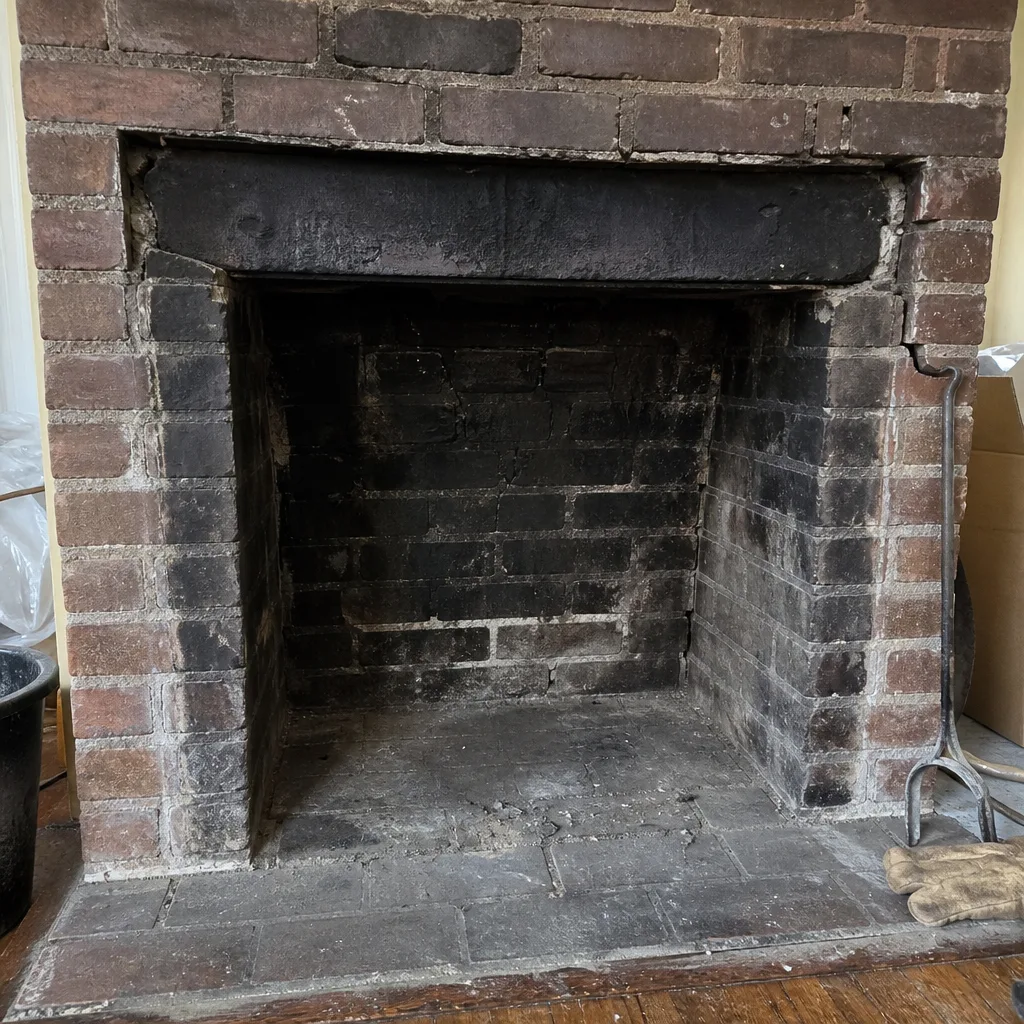 Before
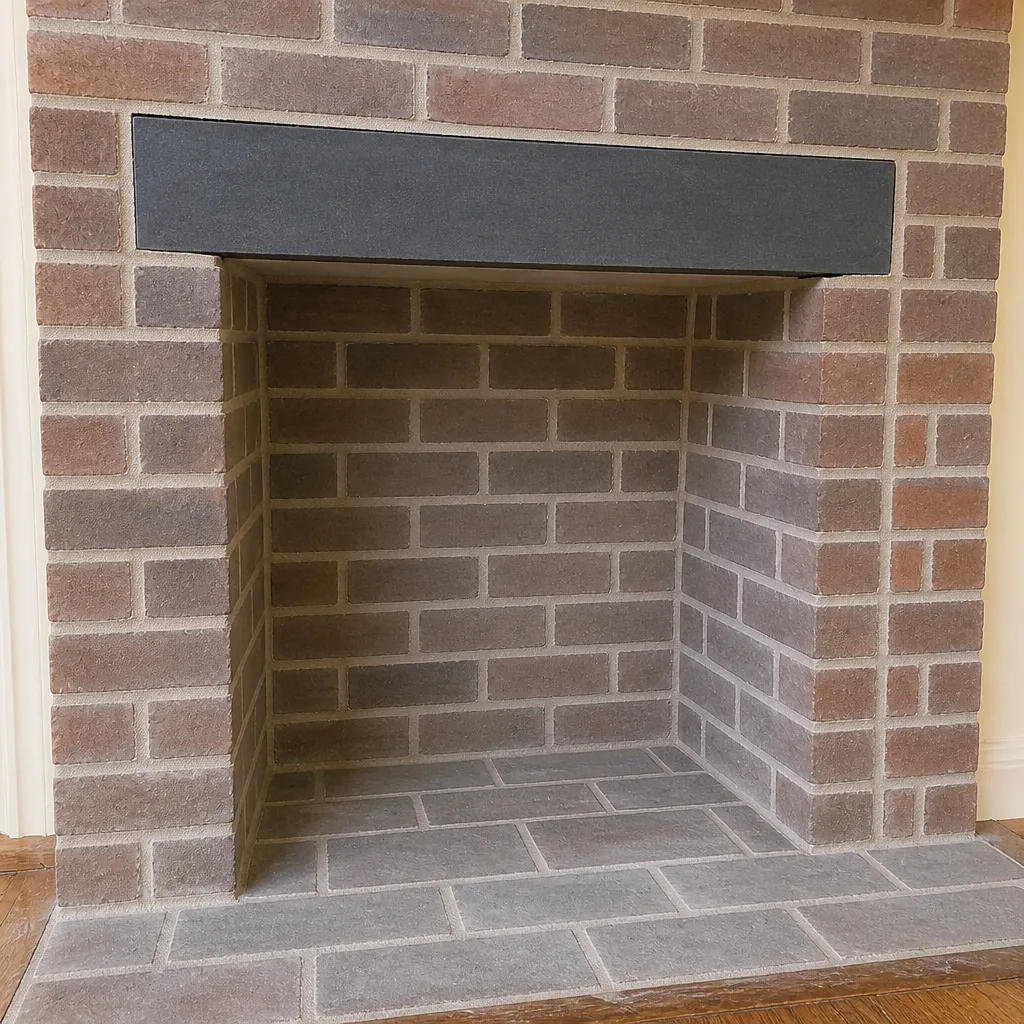 After
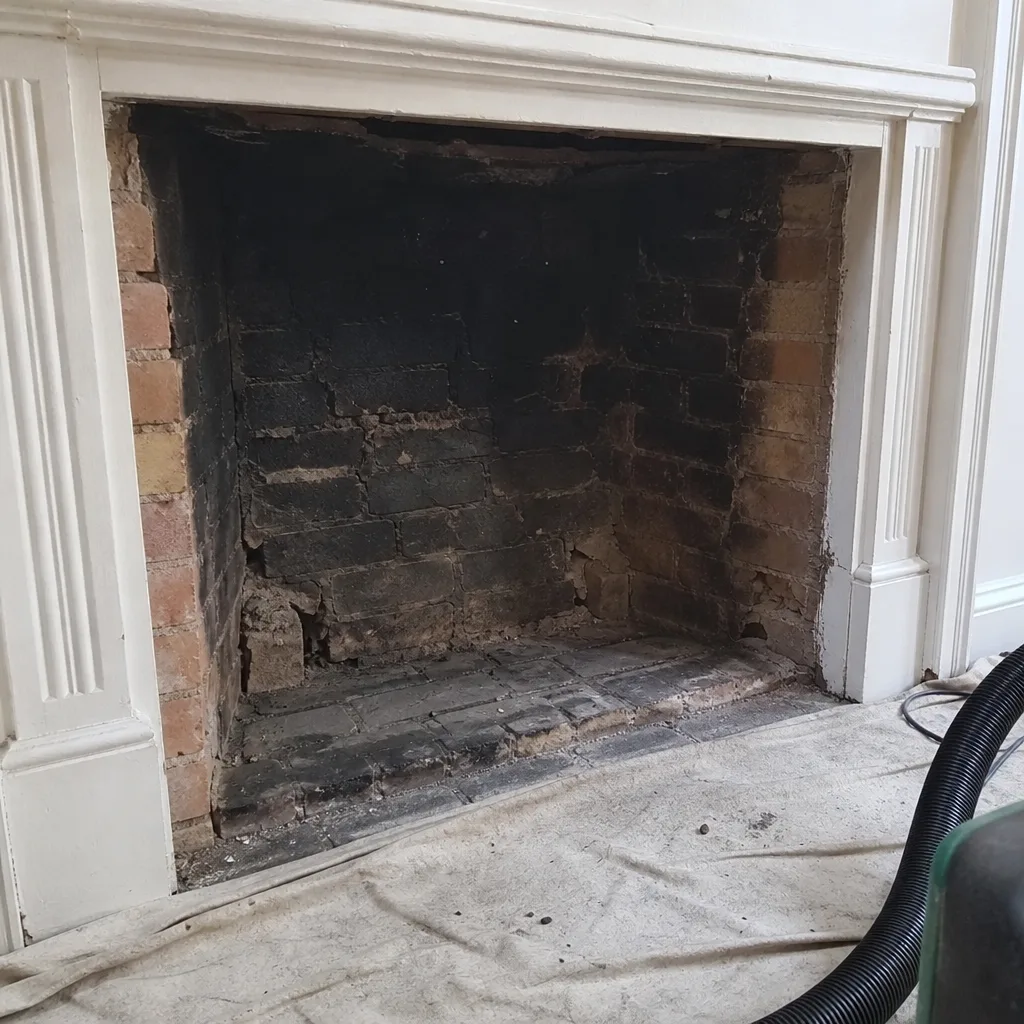 Before
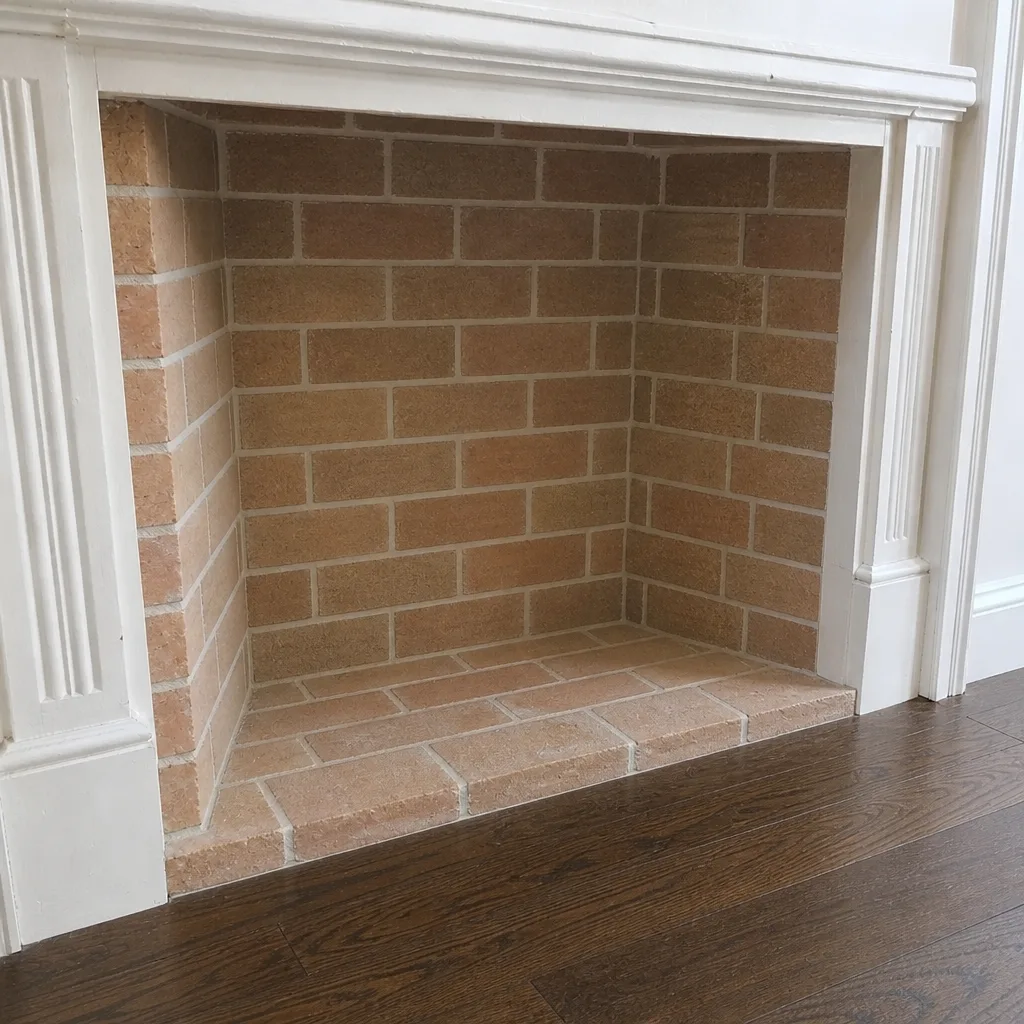 After
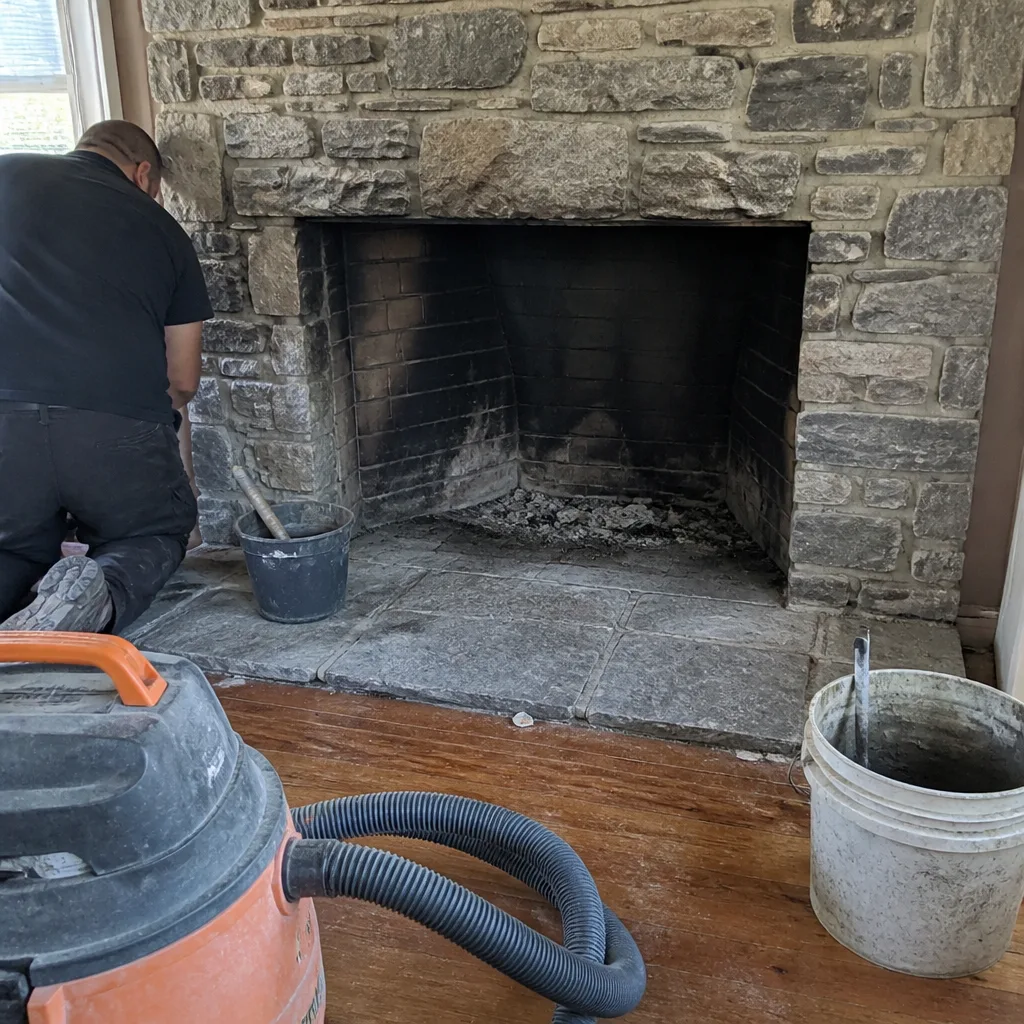 Before
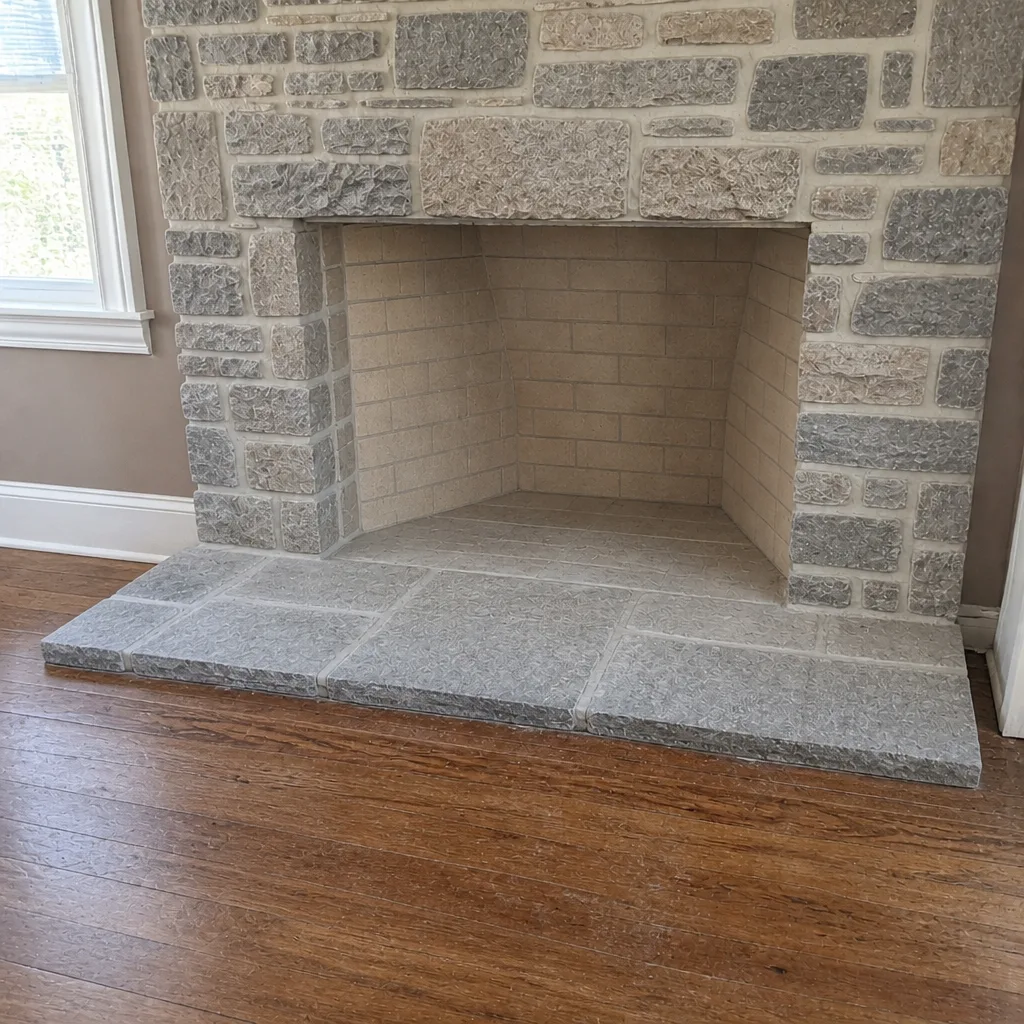 After
When to Call a Professional
Call a trained professional when you see evidence of a problem you can’t safely diagnose: a crown that’s cracked or spalling, a cap that’s missing or damaged, a mortar joint that’s opened on the exterior masonry, an odor in the living space during or after a fire, or a flue that’s blocked or drafting weakly. Call when the appliance configuration has changed, and especially when an oil-to-gas conversion is part of the house’s history. Call before the heating season for the sweep and inspection. And call if you’re unsure, because “unsure” is exactly what the inspection is for. Chimney Sweep Bay Ridge is a chimney-only specialist offering inspection, sweep, cap and crown work, chimney repair, and fireplace repair from one company, so there’s no handoff between a sweep and a repair. We offer free estimates in Bay Ridge: call (855) 551-0049.
Frequently Asked Questions
Most residential sweeps fall within a typical range rather than a single price, and the exact figure depends on the flue, the appliance, and the access. The written estimate you receive before the work is the final price, and the estimate itself is free. Call (855) 551-0049 for an exact quote on your chimney.
Once a year for wood-burning chimneys that get regular use, and a full inspection at the same time. Gas appliances in converted houses benefit from the same annual inspection even if the sweep itself is less involved, because the orphaned-liner and draft questions change with the appliance. The pre-season slot in late summer or early fall is the most useful time to book it.
You can do a real visual inspection of the exterior from the ground: crown, cap, and mortar joints, with dated photos. You can also check the damper and clear the firebox. Interior flue inspection, liner work, and any rooftop work belong to a trained professional. The honesty of a clean inspection is the reason to keep the two categories separate. Call (855) 551-0049 to book the professional half.
It means the flue is now oversized for its appliance, or is no longer venting an appliance at all. In Bay Ridge’s converted houses that’s a common condition and it affects draft and condensation. A technician can check the flue with a camera and tell you whether the liner is correctly sized for the current appliance or needs restoration or replacement. The visit starts with the inspection; the repair recommendation comes from what the camera shows.
That depends on what the inspection finds. Some flues can be restored with the HeatShield ceramic resurfacing system, which extends flue life without a full liner replacement. Others need a DuraFlex flexible liner, especially when the flue has bends or offsets. The correct answer comes from what a trained technician can see with a camera. Call (855) 551-0049 to book the inspection.
The main risks are water intrusion through a failing crown or cap and a blocked or poorly drafting flue. Water in the masonry leads to freeze-thaw damage, and a blocked or undersized flue affects venting and the appliance’s draft. Skipping a season is riskier for an older Bay Ridge chimney than one short break might suggest. A pre-season inspection is the cheapest way to catch what the skipped season did. Call (855) 551-0049 for a free estimate.
The Bottom Line
Chimney maintenance in Bay Ridge isn’t a generic seasonal to-do list; it’s a set of habits built around pre-war brick, moisture management, and the converted flues in the neighborhood’s houses. Book the sweep and inspection before the heating season. Walk the exterior in spring and fall, and photograph the crown, cap, and mortar so you have a record. Treat the liner question as a maintenance question, not just an installation one. Do the checks you can do safely yourself, and leave the flue and rooftop work to trained professionals. Keep the paperwork. Chimney Sweep Bay Ridge is a chimney-only specialist, and the same company that inspects your chimney can repair and restore it. Call (855) 551-0049 for a free estimate.
We answer 24/7. Fast dispatch from 7am to 7pm, Sunday through Friday, closed Saturday.
Written by the team at Chimney Sweep Bay Ridge.