
Last updated November 22, 2026
 Sweep & inspection
 Caps & crowns
 Flue relining
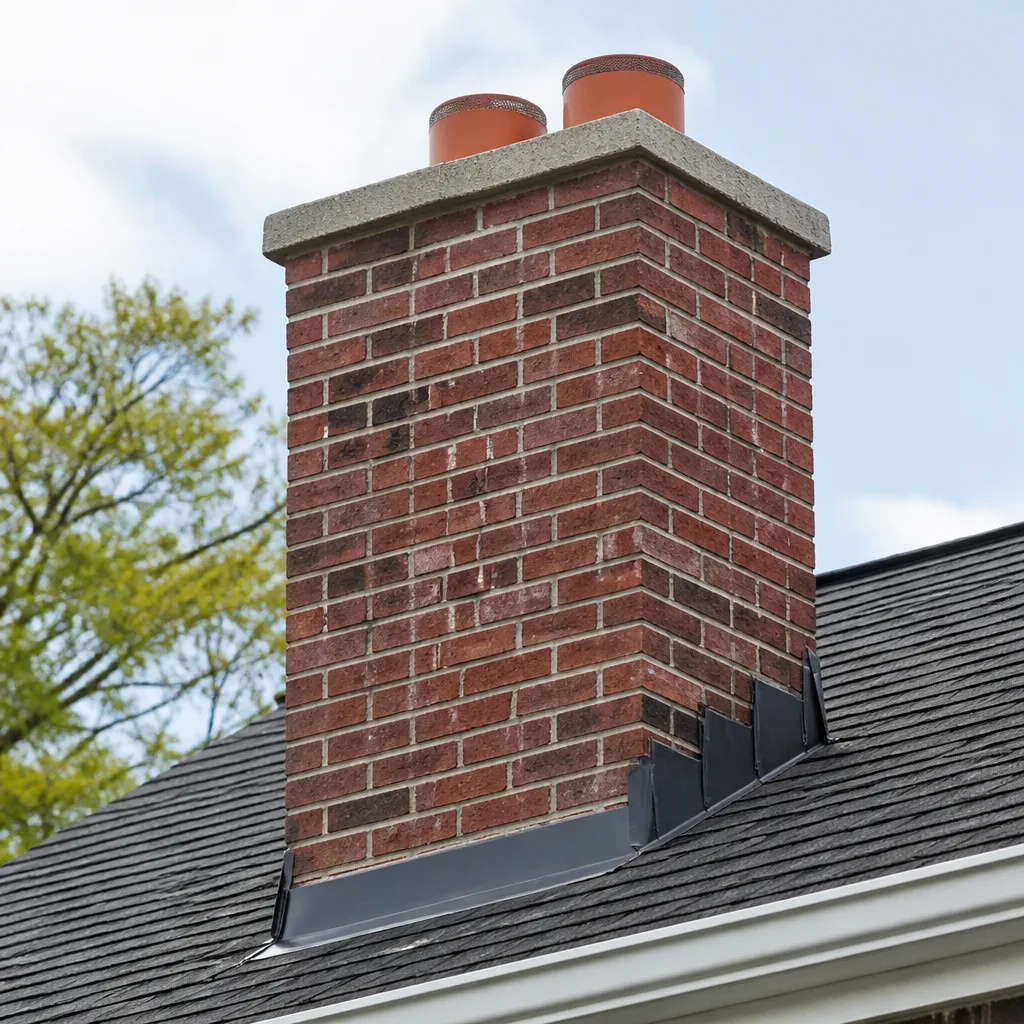 Masonry repair
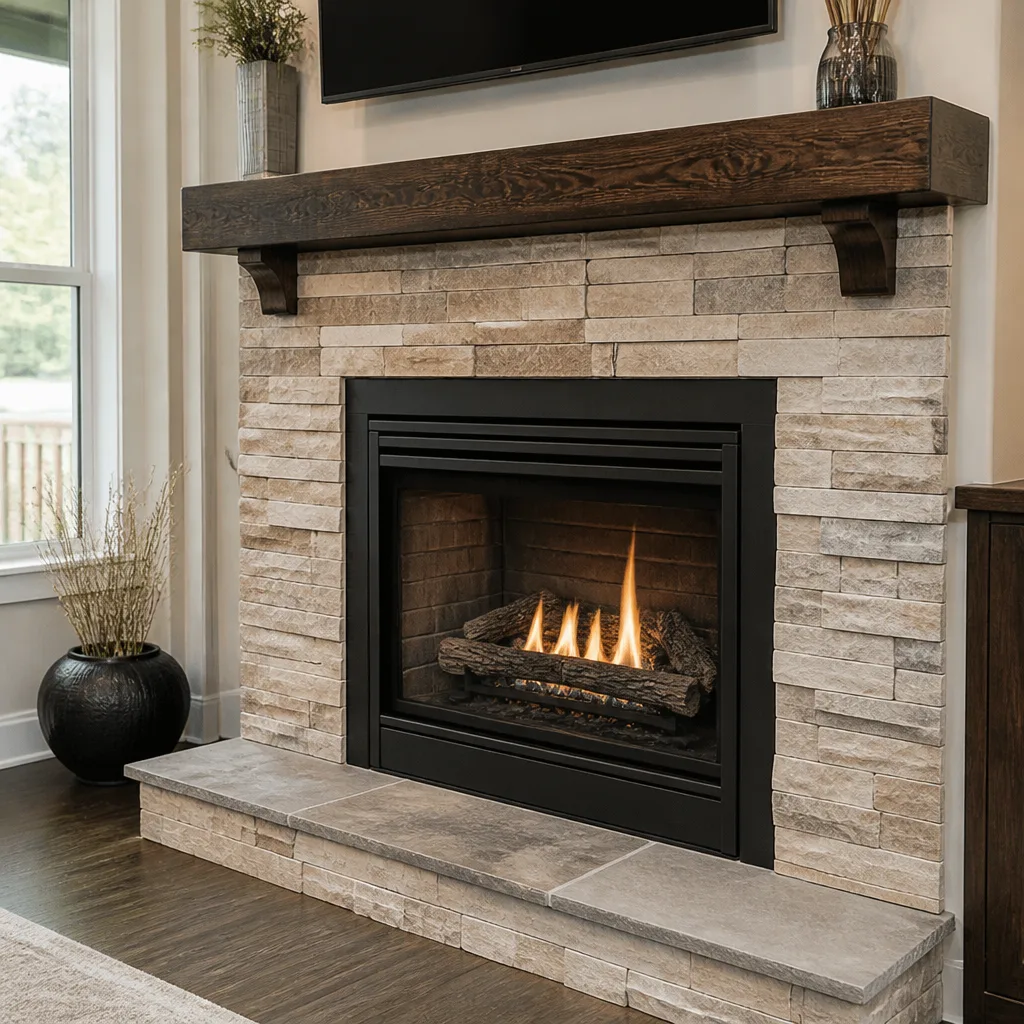 Gas fireplace service
Level 1 sweep and inspection to the NFPA 211 annual standard - flue, crown, cap, and flashing checked and photographed
Chimney sweep logs do not sweep chimneys. They loosen some creosote - which then falls where a brush and vacuum still have to collect it.
Choosing the Right Chimney Cleaning Brand: A Buyer’s Guide for Bay Ridge
There’s no FDA for chimney products. A contractor can walk into a supply house, buy a jug of clear sealant, spread it across a cracked flue, and call it a repair. Nothing stops them. No inspection, no labeling requirement, no certification gate. That’s the reality, and it’s why the single best vetting question for a chimney professional isn’t “how many years have you been doing this” but “what product brand and specification are you applying, and can you show me the data sheet?” The answer tells you almost everything about their technical seriousness. In this guide you’ll learn the industry-recognized product tiers for chimney cleaning chemicals, why certain restoration systems are the standard while cheaper substitutes disqualify themselves, what brush materials and gauges suit each flue type, and how to verify at the curb that the product specified is the product applied. Bay Ridge homeowners use their fireplaces hard. They deserve to know what’s going into the flue.
Quick Answer
The right chimney cleaning brand depends on the task: creosote modifiers such as Rutland and CSL products break down hardened deposits, HeatShield Cerfractory Flue Sealant is the recognized standard for restoring a cracked liner without full replacement, and professional-grade liners from makers like Olympia Chimney and DuraFlex suit different flue geometries. What matters most is that the brand and specification are named in writing, the product data sheet is available on-site, and the contractor stocks these lines for chimney work specifically rather than grabbing a general-purpose sealant from a hardware shelf.
Styles & brands we work with
- Sweep & inspection
- Caps & crowns
- Flue relining
- Masonry repair
- Gas fireplace service
Table of Contents
- What are the industry product tiers for chimney cleaning?
- Why is HeatShield the standard for liner restoration?
- What brush material and gauge does each flue type need?
- How do you verify the contractor used the specified product?
- Why do generalist contractors rarely stock specialty brands?
- What does this mean for a Bay Ridge home specifically?
- What questions should you ask before booking?
- How does product choice affect long-term cost?
What are the industry product tiers for chimney cleaning?
Chimney products fall into rough tiers, and the tier a contractor operates in says more about their work than any marketing page. At the bottom are hardware-store general-purpose sealants and unlabeled brushes. At the top are the trade-only lines that carry product data sheets, published temperature ratings, and application specifications. Chimney cleaning chemicals split into three functional groups:
- Creosote modifiers and removers: Rutland and CSL products are the recognized lines here. These are formulated to soften or chemically alter stage-two and stage-three creosote deposits so they can be brushed out rather than chiseled. They work on a schedule, not instantly, and they’re not a substitute for mechanical sweeping.
- Chimney sanitizers: Applied after sweeping to neutralize the acrid creosote smell that soaked-in deposits leave behind, particularly in summer when humidity releases odors into the living space. These are formulated to treat the residue, not the deposit.
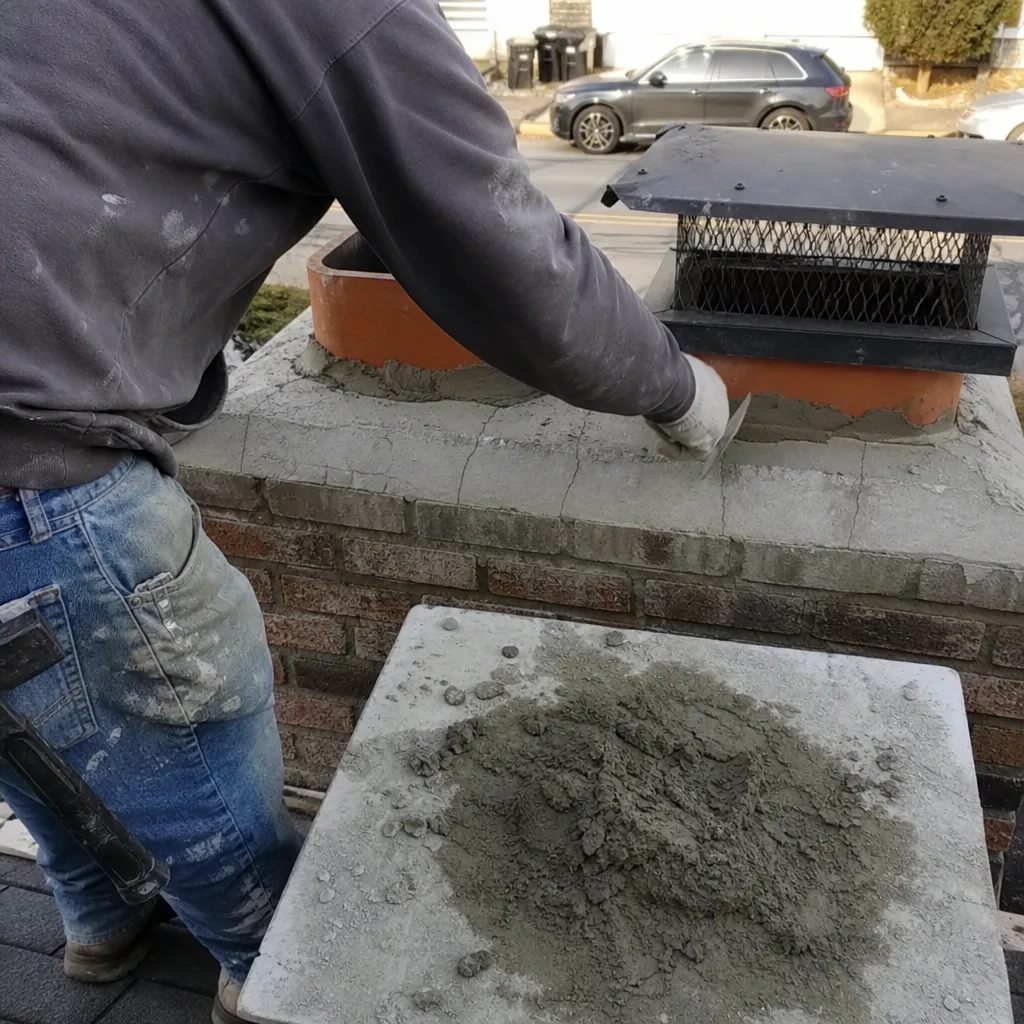
- Restoration sealants and coatings: A different tier altogether. HeatShield Cerfractory Flue Sealant sits here, along with refractory mortars and crown repair products from makers such as Gelco and Famco. These are engineered for the temperature cycling of a flue, not for cold-joint sealing.
The distinction matters because the low tier and the high tier look similar on a shelf and behave nothing alike in a firebox. A general-purpose high-temperature sealant rated for a few hundred degrees is not the same product as a ceramic flue coating designed for repeated thermal cycling. In our work across Bay Ridge we specify the right material for the job and put the brand name in the estimate, so there’s no ambiguity about what’s going into your chimney.
Why is HeatShield the standard for liner restoration?
HeatShield Cerfractory Flue Sealant is the industry reference point for one specific job: restoring a clay-tile liner that has cracked or spalled but is still structurally sound. It’s a ceramic-based coating applied to the interior of the flue, and it’s engineered to survive the temperature swings a working chimney produces. That engineering is exactly what disqualifies cheaper alternatives for this application.
A general-purpose refractory patch or a high-temp silicone is not formulated for a coating application over a full flue run. Those products are built for joints and small voids, and none carry the published data for continuous flue coating that a proper restoration product does. When you ask a contractor what they’ll use to restore a cracked liner and they name a hardware product, that’s your answer about their depth. When they name a purpose-built ceramic resurfacing system with a specification sheet, the conversation changes.
What makes this a meaningful option:
- It extends flue life without a full liner replacement in cases where the existing liner is still sound enough to receive the coating.
- It’s a specialist application. General contractors rarely offer it because they don’t carry the system or train on it.
- It’s verifiable. The product is documented, and a contractor using it can show you exactly what’s being applied.
It’s also not universal. A badly deteriorated liner, one that’s lost structural integrity or has separated sections, isn’t a candidate for resurfacing. The honest starting point is always the inspection. If the camera shows a condition that resurfacing can’t resolve, we say so and lay out the alternatives.
What brush material and gauge does each flue type need?
A brush is not a brush. The material and gauge matter, and using the wrong one can scar a liner rather than clean it. Here’s how the pairing works in practice:
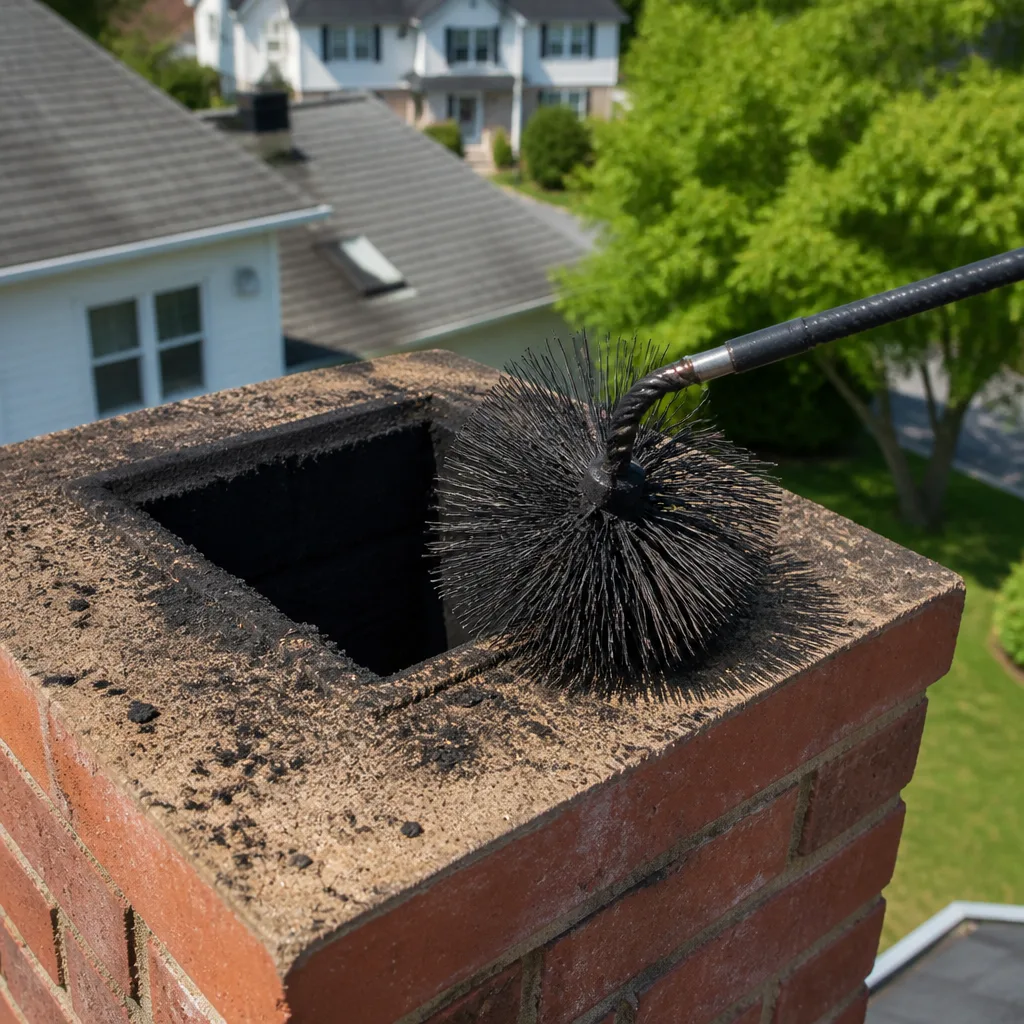
- Clay tile liner: A polypropylene brush is the workhorse here. It’s stiff enough to lift creosote off the tile face without the abrasion a metal brush can cause on older, glazed tiles. Fit the brush to the flue’s actual inside dimension so the bristles contact the wall fully.
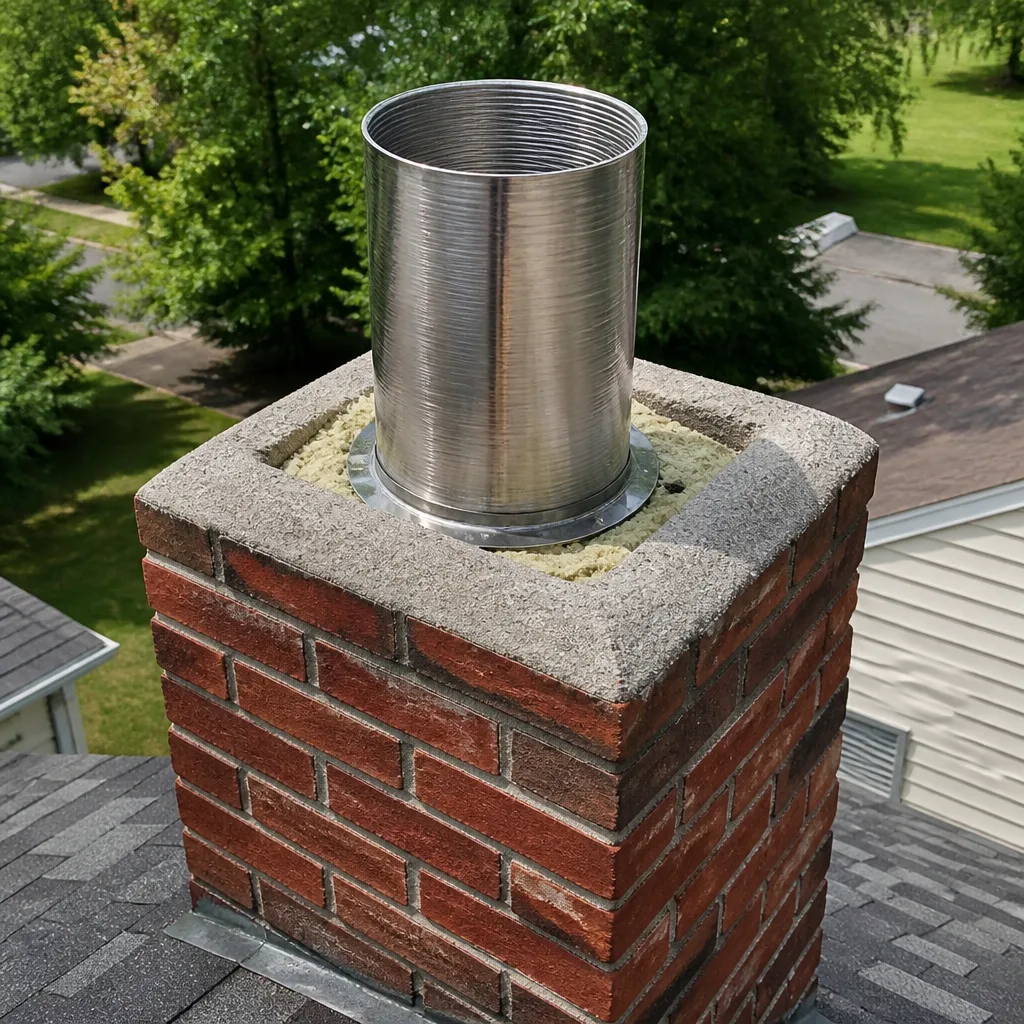
- Stainless steel flexible liner: A softer brush is the right call. The liner walls are thin compared to clay, and the wrong gauge can deform the seams. Whipping a stiff brush through a stainless liner to force out hard creosote damages the liner instead of cleaning it, and that’s an expensive mistake.
- Cast-in-place systems: These need a brush matched to the installer’s specified dimension and a lighter touch. The surface is a poured refractory, and aggressive brushing can abrade it.
Gauge matters in a different way when the flue has bends or offsets. A brush that’s too large for the flue can jam, and one that’s too small rides past deposits without contacting them. A specialist measures the flue and selects the brush to fit. And where the flue has a bend, the right tool is often a flexible liner rod system rather than a straight brush run, which is why DuraFlex flexible liner capability signals competence with the non-straight configurations that rigid-liner installers turn away.
If a contractor shows up with a single generic brush and no measuring tool, you’ve learned where they sit on the technical scale. Bay Ridge chimneys come in a range of vintages and liner configurations, and a one-brush operation isn’t built for that range.
How do you verify the contractor used the specified product?
Asking for the product data sheet on-site is the single most effective verification step, and almost no homeowner does it. Here’s a workable process:
- Get the brand and specification in the written estimate. “Liner resurfacing” is not a specification. “HeatShield ceramic flue sealant” is. If the estimate names no product, ask for it before you book.
- Ask to see the product data sheet when the technician arrives. Every reputable trade product has one. It states the intended application, the temperature rating, and the method. A contractor who can produce it on request is working with documented materials.
- Confirm the label matches the estimate. Substitution is easy to hide. A quick look at the container confirms what’s going into the flue before it goes in.
- Photograph the product container and the before-and-after of the flue. A camera inspection with a photo report covers the condition of the flue before and after the work. The product photo adds the material record.
- Ask what happens if the specified product isn’t available. The right answer is a conversation, not a silent swap. If the substitute is materially different, you should know before the work starts.
This is the same logic as asking a mechanic what part they’re installing. Nobody expects the customer to be an expert. They expect the contractor to be able to name the product and show the document. Every part of the job we do comes with a camera inspection and a photo report you can see for yourself, and the products we specify are named in the estimate.
Why do generalist contractors rarely stock specialty brands?
There are practical reasons a roofing or general contracting outfit doesn’t carry HeatShield or professional liner components, and none of them are about laziness. Three things create the gap:
- Supply chain access. Specialty lines are sold through trade channels, often to accounts that do the volume to justify the standing relationships. A contractor who installs a liner a few times a year isn’t on those channels.
- Training requirements. Ceramic resurfacing systems and flexible liner systems have application methods that need to be learned and practiced. A generalist whose plan is “for one job here, then on to the next trade” has no path to that training.
- Volume thresholds. Carrying a professional roster costs money in inventory and vendor minimums. A chimney-only specialist does the volume that justifies it. A generalist doesn’t.
What that means for you: when a general contractor shows up to look at your chimney, their toolset is likely limited to what they can buy at a retail shelf. The installation may look fine on the surface. The product underneath is what determines how it holds up through a cold winter and repeated burns. Chimney work is what we do, exclusively. That focus is why we stock and install lines like Olympia Chimney for liner components and HeatShield for restoration, and it’s why we don’t work on roofs, HVAC, or anything else.
Ask any contractor you’re considering a direct question: “Do you work on chimneys and fireplaces only?” If the answer is “we do a bit of everything,” you have a good idea of the product tier you’ll be offered.
What does this mean for a Bay Ridge home specifically?
Bay Ridge’s housing stock runs toward a mix of early twentieth-century row houses and detached homes, and many of those chimneys were built when clay tile liners were standard. Brick and tile work fine for decades. But tile cracks, and once a crack opens, the wrong products can make things worse instead of better. A coating that isn’t designed for a flue can trap moisture or flake under heat cycling, and a brush that’s too stiff can deepen a defect rather than resolve it.
Heating seasons in this part of the city put chimney systems through real temperature swings, from a hot firebox to a cold exterior face and back again. That thermal cycling is what tests a liner coating or a liner component. A month-old install can look perfect and fail the next winter. The materials matter because the temperature stress is real.
The verifiable work, in our experience, is the inspection. A camera run through the flue, a condition report with photos, and a straight answer about what’s actually wrong and what can safely wait. If a flue needs resurfacing, the product is named in the estimate. If the crack is cosmetic and the liner is sound, a chimney sweep and no restoration is the honest answer. If a crown or cap is letting water in, a chimney cap & crown repair solves a specific water-intrusion problem. We don’t recommend chimney repair work without a camera inspection the homeowner can see for themselves, and we say so when the answer is “it can wait.”
What questions should you ask before booking?
Six questions separate a serious chimney professional from a generalist with a brush:
- “What product brand and specification would you use for my job?” A named brand and specification is the right answer. “Standard stuff” is not.
- “Can you produce the product data sheet?” Ask on-site. A documented product is available on request.
- “Do you work on chimneys and fireplaces only?” A chimney-only specialist has the depth a generalist can’t.
- “Will the inspection include a camera run and a photo report?” Yes or no. If it’s “sometimes,” that’s your answer.
- “What brush material and gauge will you use on my flue type?” A specialist has a specific answer. A clay tile liner, a stainless liner, and a cast-in-place system each take a different tool.
- “What’s the difference between what needs doing now and what can wait?” An honest contractor draws the line and puts it in writing.
You don’t need to be a chimney expert to have this conversation. You need to ask the questions and listen for a specific answer. Chimney Sweep Bay Ridge works with professional supply brands including HeatShield, Gelco, Olympia Chimney, Famco, and Copperfield. Our technicians have up to 11 years of experience naming products in estimates and applications, and we put the brand in writing.
How does product choice affect long-term cost?
The line-item cost of a chimney job isn’t the whole number. What matters is how many times you pay it. A general-purpose sealant that fails after two heating seasons and takes a liner replacement with it is more expensive than a purpose-built coating that restores the flue and holds. The gap between the cheap route and the right route is often smaller than homeowners expect. The real difference is what happens on the second visit.
- Sweep + inspection: A sweep and a camera-inspection report is the routine cost, and the photo report is what tells you whether anything else is needed.
- Creosote modifier + sweep: Modifiers from a recognized line add cost to a sweep but can prevent a more invasive removal where deposits are heavy. This is the tier where product brand starts to matter.
- Liner resurfacing: A ceramic coating system is a mid-tier investment compared to a full reline. It’s an option only where the inspection shows the liner is a candidate. The alternative, a flexible liner install using DuraFlex or Olympia Chimney components, is the appropriate route where the flue needs a new inner surface, and the estimate names the product.
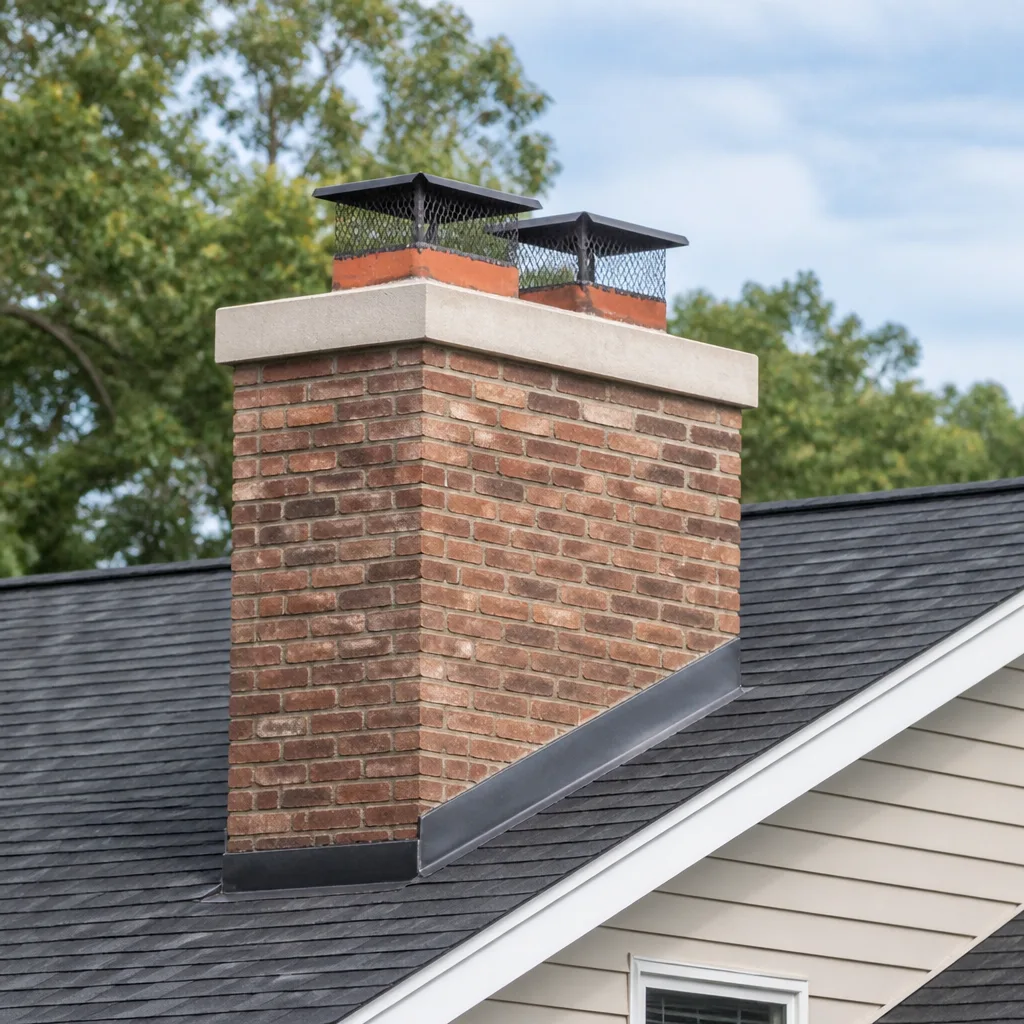
- Cap and crown work: The low-cost, high-return tier. A properly installed cap and a sound crown stop water at the two most common entry points. That prevents liner damage from ever starting.
Price always comes from a written estimate, and the estimate names the product. No surprises on the invoice.
Common Mistakes to Avoid
- Accepting a repair estimate with no product named. “We’ll patch the crown” tells you nothing. Ask for the brand and specification. If the answer is vague, the work likely is too.
- Letting a general contractor treat the chimney as a side job. A roofing crew can spread sealant on a crown. Whether the product is rated for a chimney is a different question. Ask what else they work on.
- Skipping the camera inspection. Without a camera run and photo report, you have no way to verify the diagnosis. The inspection is the honest starting point, not a sales funnel.
- Assuming the cheapest liner restoration is fine. A restoration coating is a specific engineered product. A cheaper alternative that isn’t designed for continuous flue coating can fail under thermal cycling instead of resolving the crack.
- Ignoring the crown and cap because the fire draws fine. Water intrusion is the most common cause of chimney damage, and it starts at the top. Fine draft today doesn’t mean dry masonry next year.
- Accepting a brush with no measuring step for a flue with bends. On a non-straight flue, the wrong gauge either jams or rides past deposits. A specialist measures and selects a flexible system where it’s needed.
- Using a stiff brush on a stainless liner. The wrong brush material can deform thin liner walls. Ask what brush is going in before it goes in.
See the difference
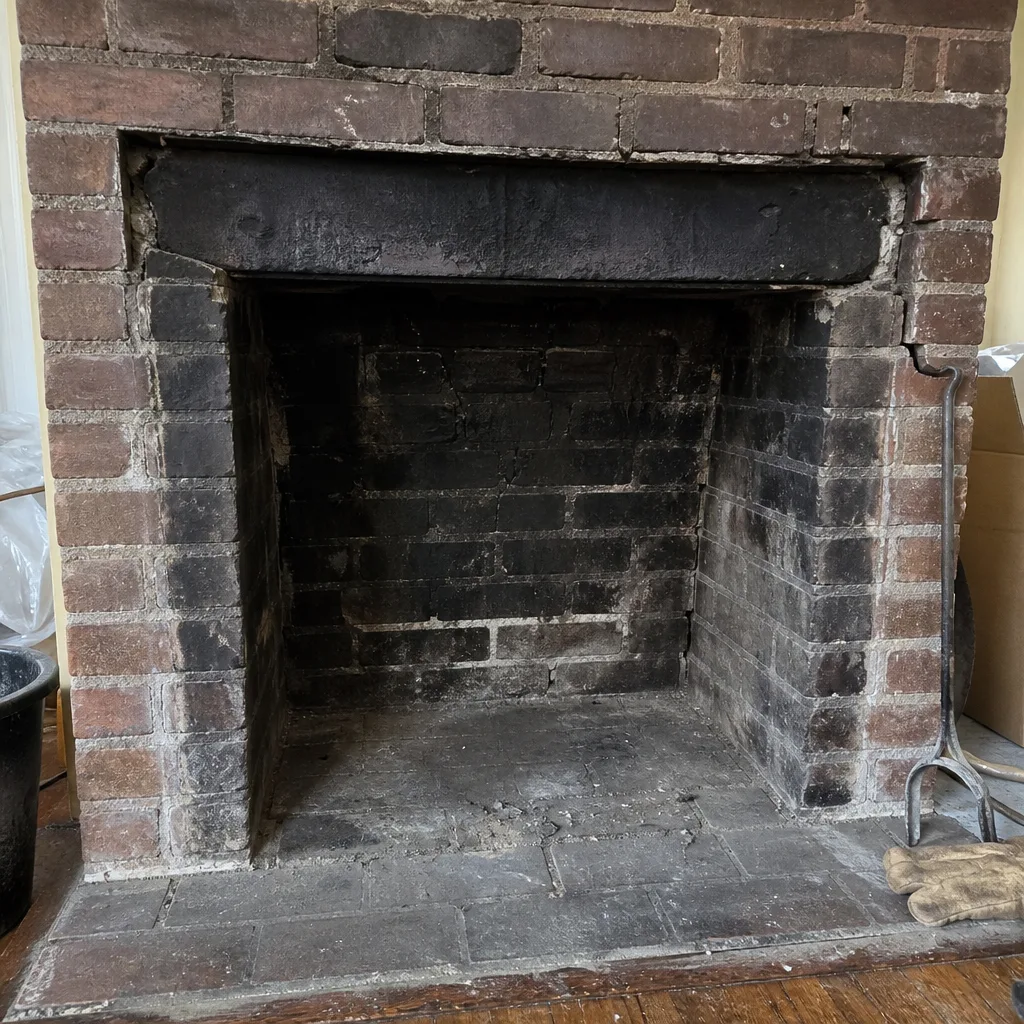 Before
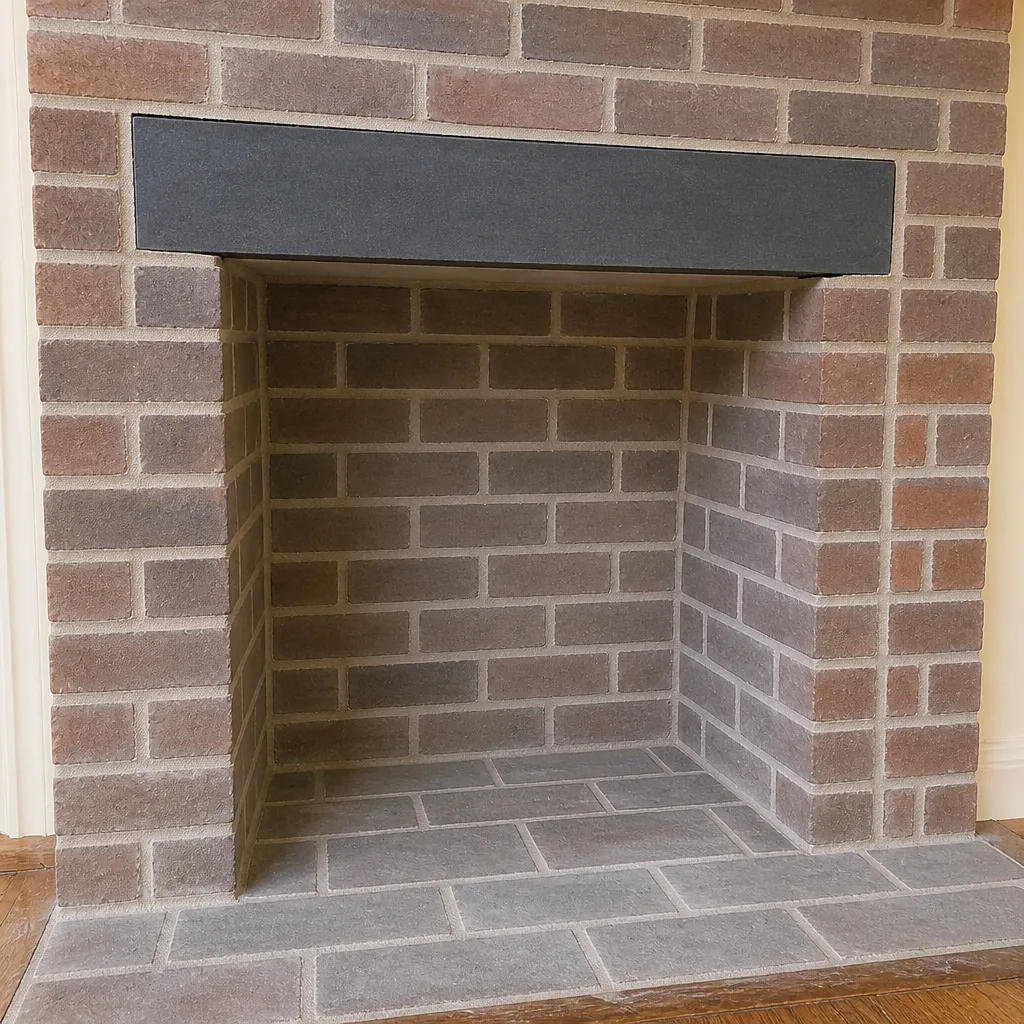 After
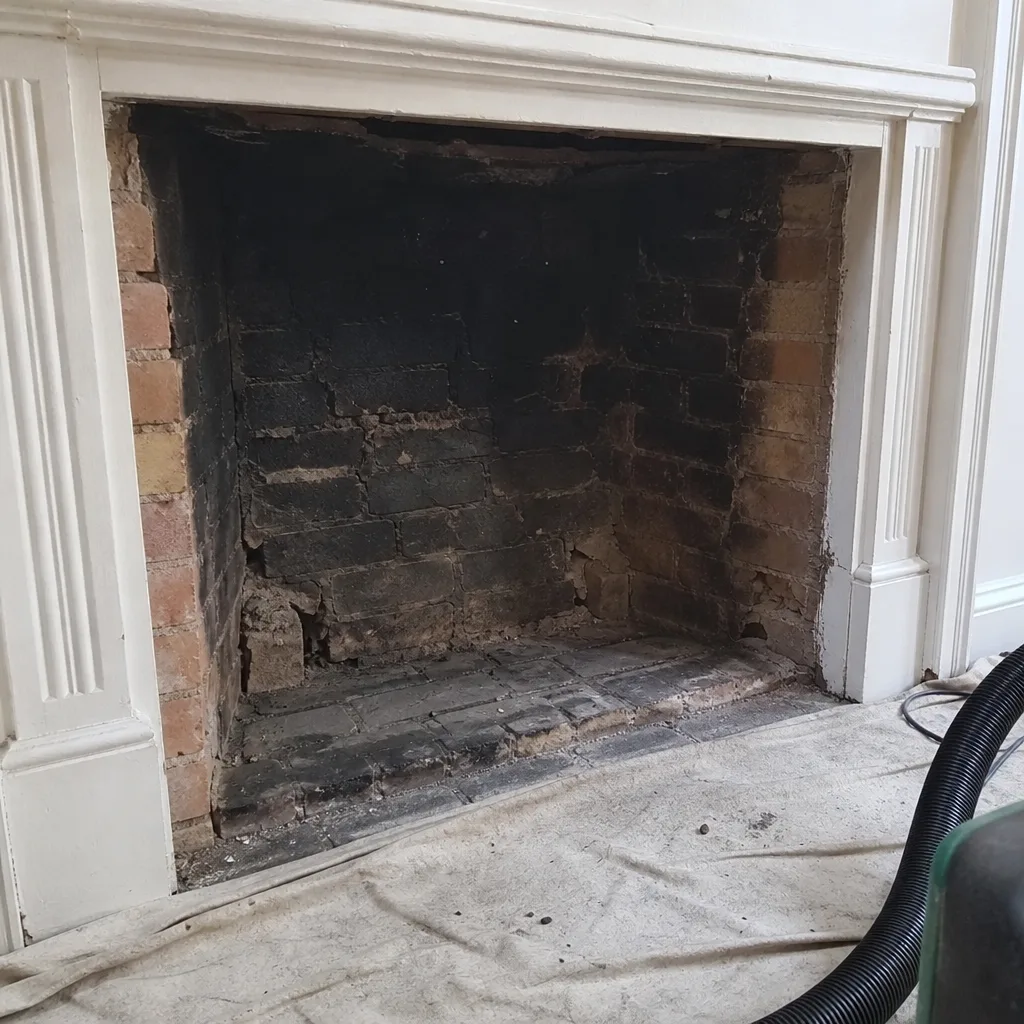 Before
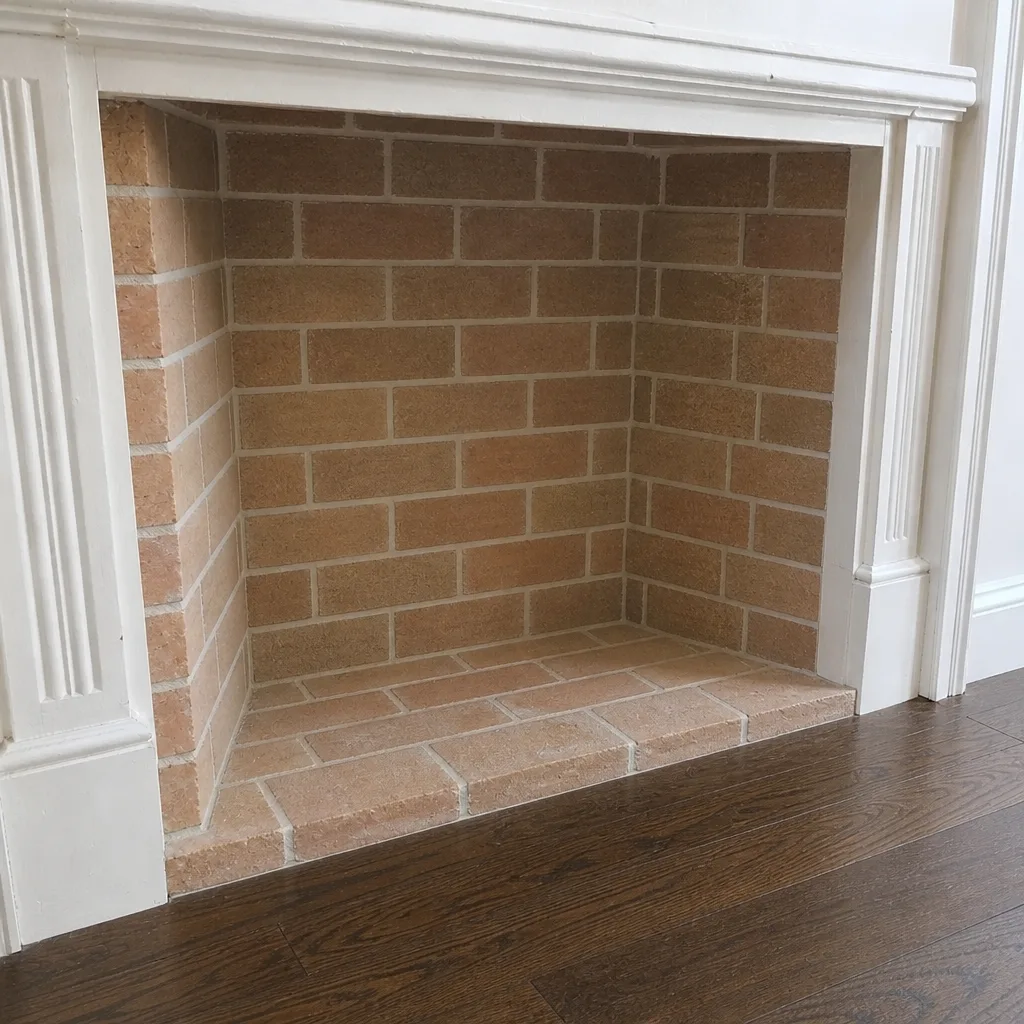 After
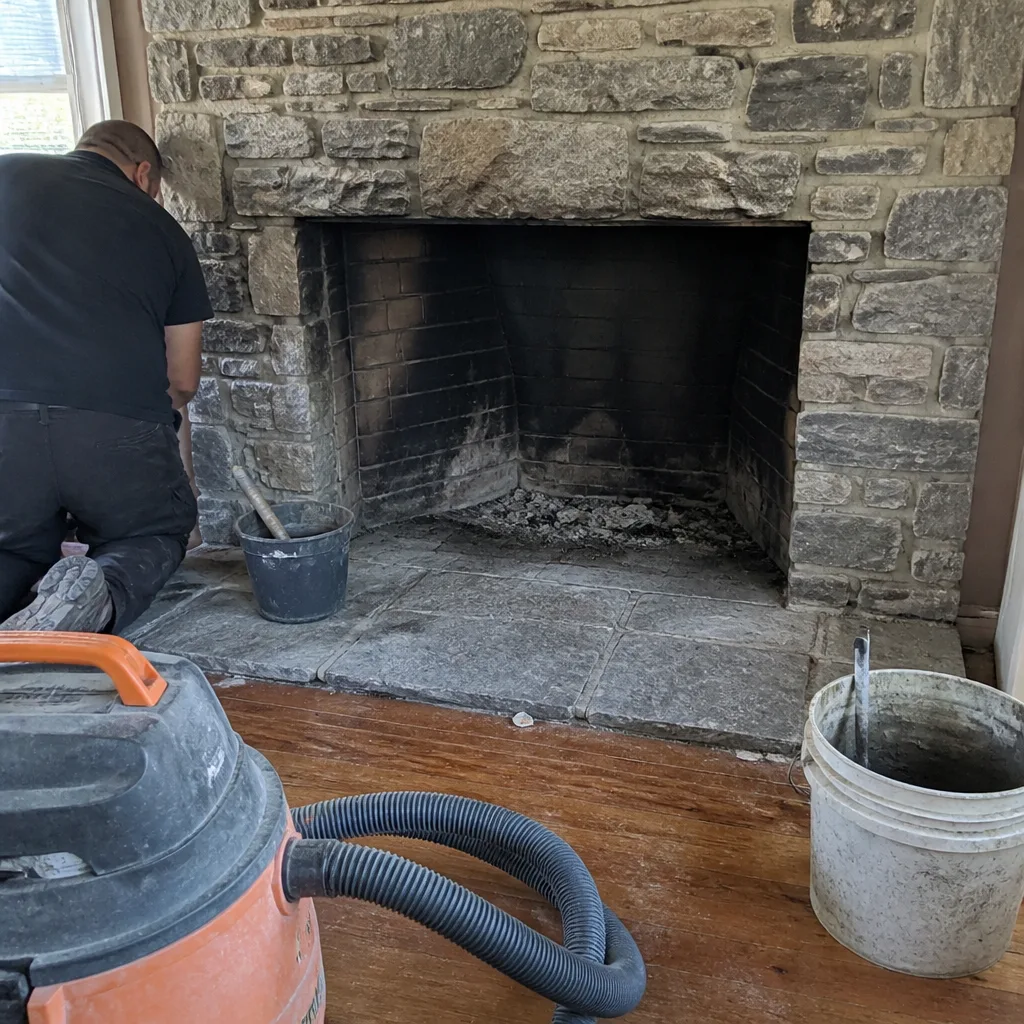 Before
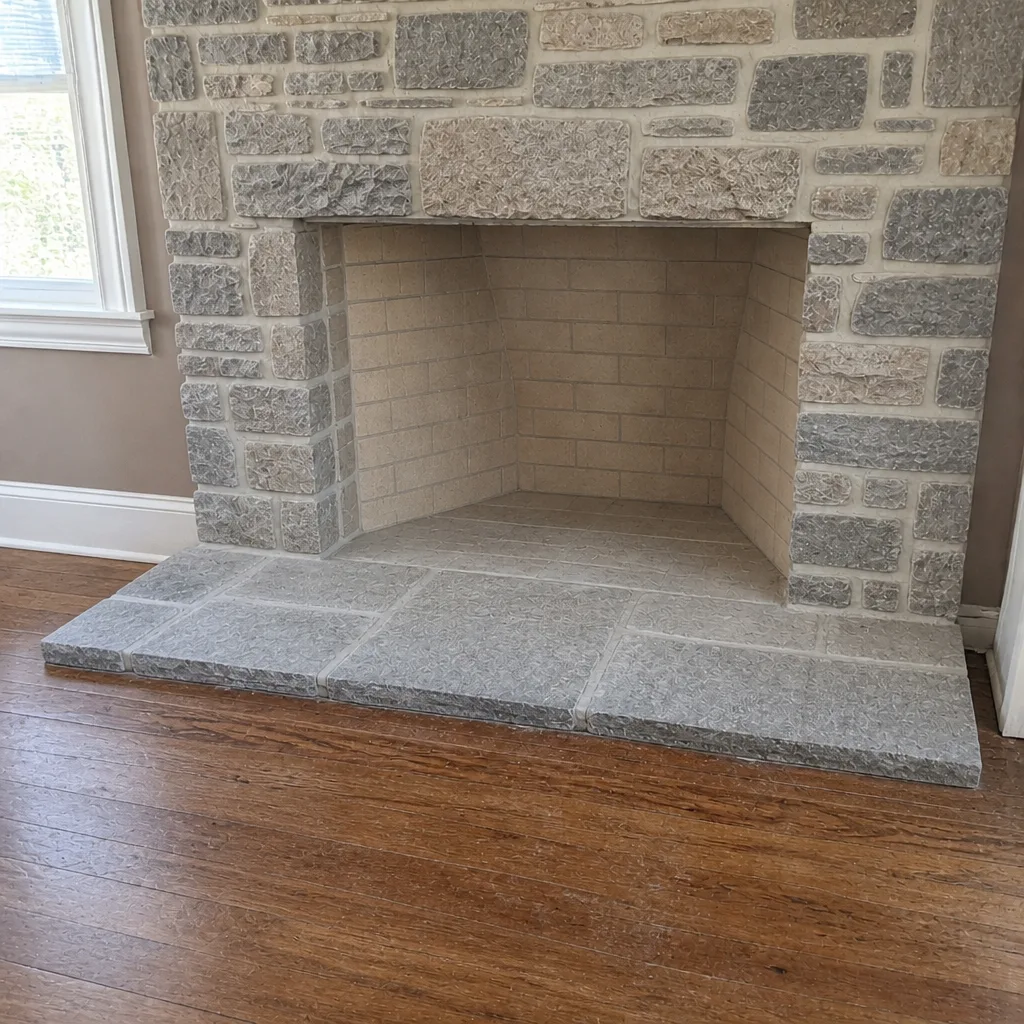 After
When to Call a Professional
Call a chimney professional when you’re ready to name the product before the work, not after. A few situations warrant a call:
- A crack in the flue that you can see from the firebox.
- A persistent smoky smell in summer when the fireplace is cold.
- Water stains on the chimney breast or signs of a failing crown.
- Heavy creosote that has been left for more than one season.
- A liner type you’re not sure about, or a flue with bends and offsets.
- A cap that’s missing, loose, or damaged.
Those are the conditions where the product brand and the brush material matter most, and where a specialist with the right systems can resolve a problem that a generalist would substitute around. If you’re in Bay Ridge and want a straight answer about what’s in your flue and what product a fix would use, Chimney Sweep Bay Ridge offers free estimates in Bay Ridge. Call (855) 551-0049. We answer 24/7, with fast dispatch from 7am to 7pm, Sunday through Friday.
Frequently Asked Questions
Rutland and CSL make creosote modifiers and removers; HeatShield makes the ceramic flue sealant used for liner restoration; Gelco and Famco supply refractory mortars and crown repair products; Olympia Chimney and DuraFlex supply liner components. The grouping matters because each product is engineered for a specific job, and a substitute from a general-purpose line doesn’t carry the same application data. Any reputable contractor should be able to name the product and show the data sheet. Call (855) 551-0049 for an exact quote; estimates are free.
For a crown or a small joint, a hardware-store refractory product can be adequate. For a flue liner restoration, temperature cycling and continuous exposure are different conditions, and the purpose-built product is the one engineered for them. Ask what the product is rated for. If the answer is vague, ask again. Call (855) 551-0049 for an exact quote; estimates are free.
Get the brand and specification in the written estimate, then ask to see the product data sheet on-site before the work begins. Confirm the container label matches the estimate, and photograph the container. A camera inspection with a photo report documents the flue before and after; the product photo documents the material. If a contractor can’t produce the sheet on request, that’s worth knowing. Call (855) 551-0049 for an exact quote; estimates are free.
Yes, and the flue type is what decides it. Clay tile liners take a polypropylene brush fit to the flue dimension. Stainless flexible liners take a softer brush, because a stiff one can deform the seams. Cast-in-place systems take a brush matched to the installer’s dimension. A flue with bends or offsets may need a flexible liner rod system rather than a straight brush run. Call (855) 551-0049 for an exact quote; estimates are free.
Those lines are sold through trade channels, require application training, and carry volume minimums a generalist can’t justify. A contractor who does a bit of everything doesn’t do enough chimney work to be on those supply lines. When a generalist shows up, their toolset is often hardware-store level. Ask whether they work on chimneys only; the answer tells you a lot. Call (855) 551-0049 for an exact quote; estimates are free.
The answer depends on how much you burn and what condition the flue is in, and the brand of chemical used doesn’t change the sweeping schedule. What changes is the diagnosis: a sweep with a camera inspection shows whether deposits are heavy enough to need a modifier, or whether the crown and cap need attention to stop water intrusion. Ask for the photo report. Call (855) 551-0049 for an exact quote; estimates are free.
The Bottom Line
The brand on the product is the clearest signal of the technical seriousness of the person doing the work. A sweep stocking Rutland and CSL for creosote work, HeatShield for liner restoration, and Olympia Chimney and DuraFlex for liner components operates at a different tier than one using unlabeled brushes and hardware-store sealants. For a homeowner in Bay Ridge balancing a repair budget against a real safety concern, that difference is the whole point. Get the brand and specification in writing, ask for the data sheet on-site, and get the camera report with photos. Chimney care is what we do, exclusively, and we name our products in the estimate. Ready for a straight answer? Call (855) 551-0049. We answer 24/7, and fast dispatch runs from 7am to 7pm, Sunday through Friday. For background on the company, visit Chimney Sweep Bay Ridge.
Written by the team at Chimney Sweep Bay Ridge.