
Last updated November 22, 2026
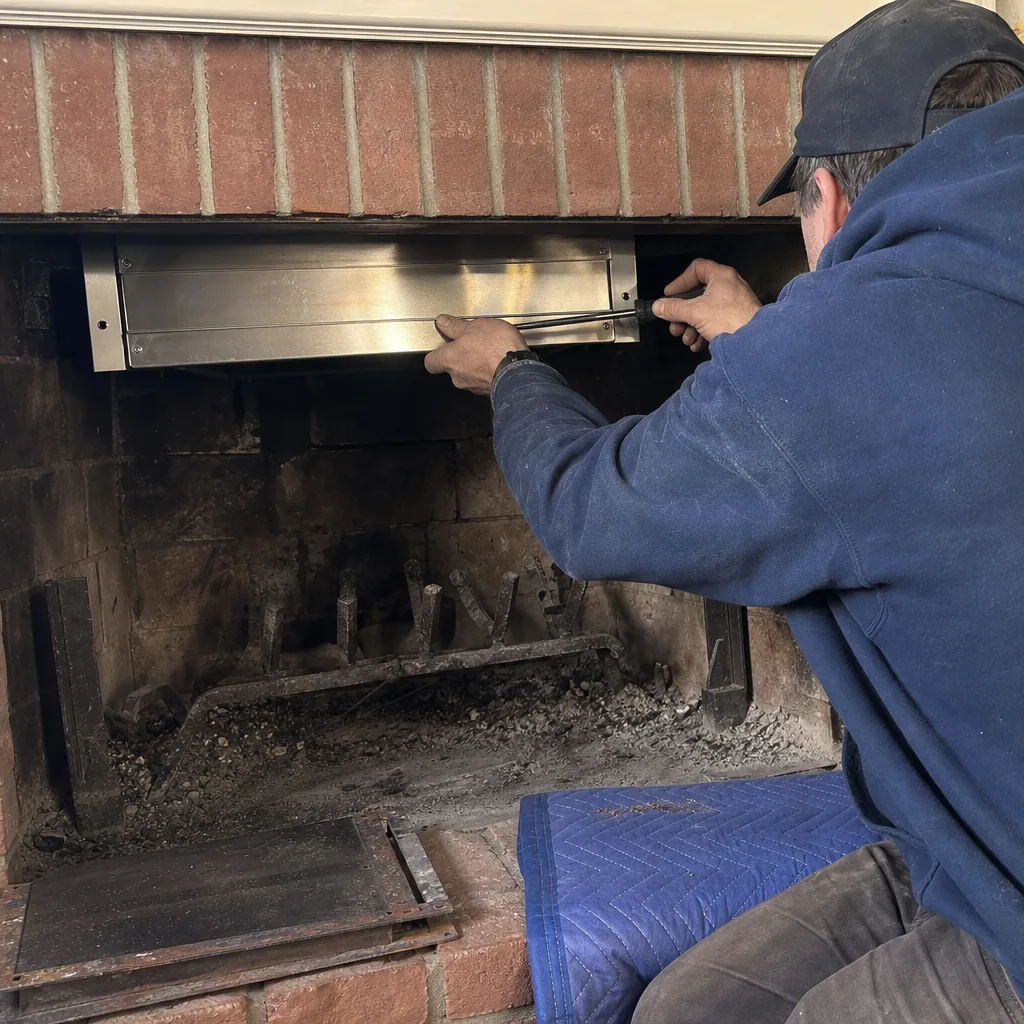
 Sweep & inspection
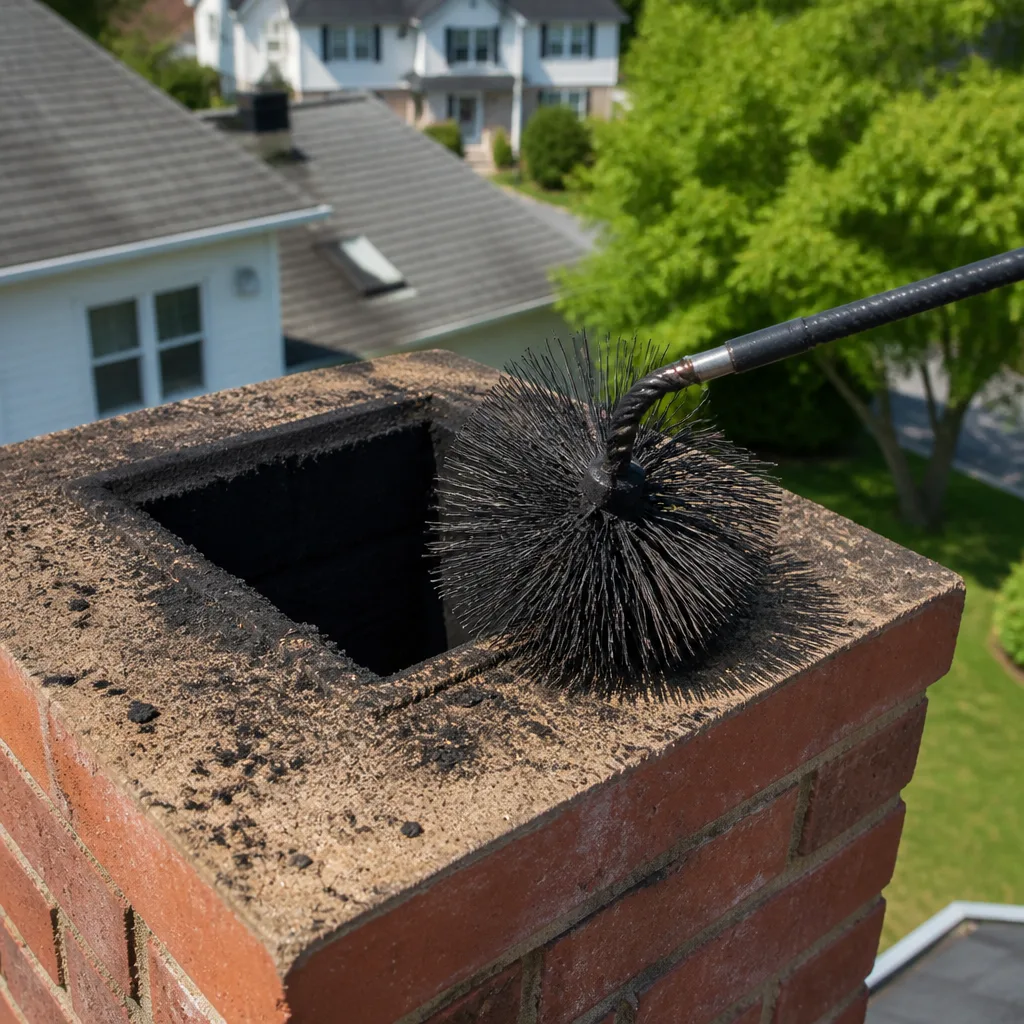
 Caps & crowns
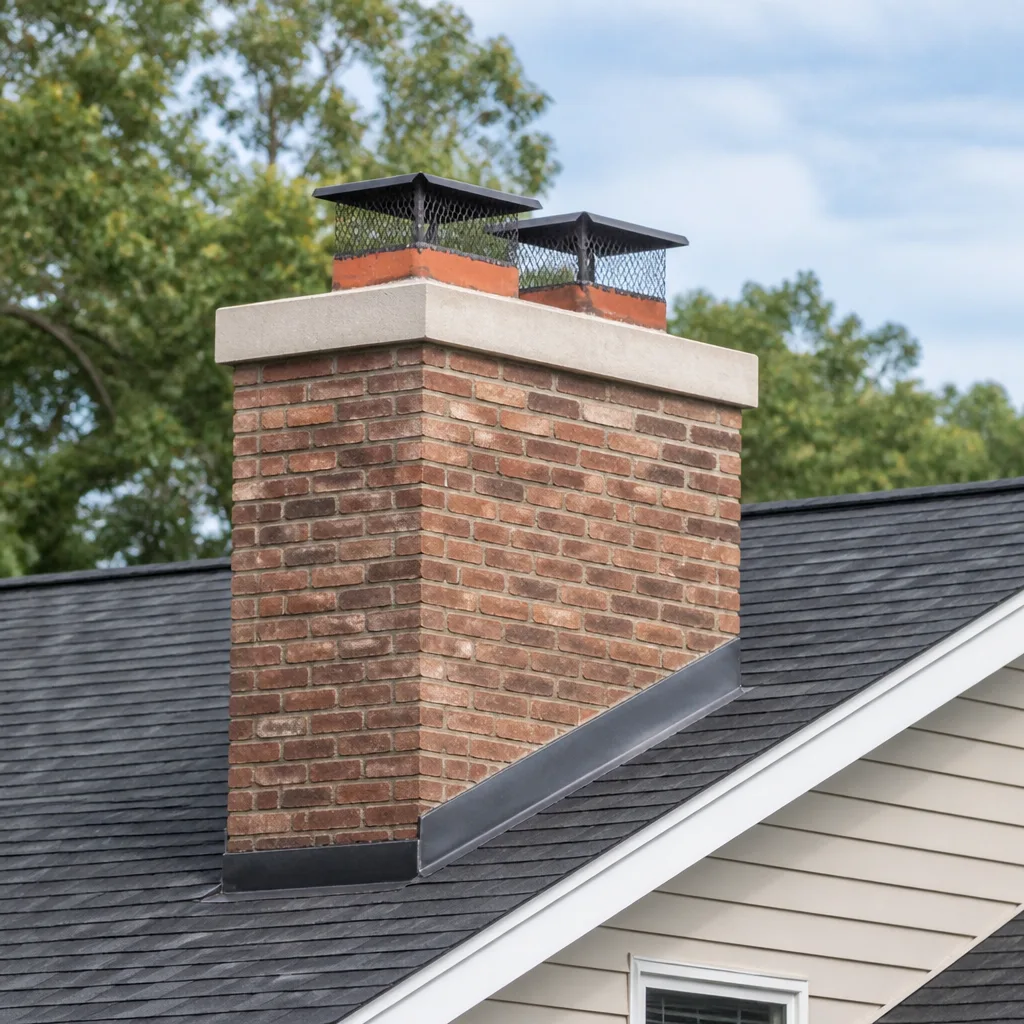
 Flue relining
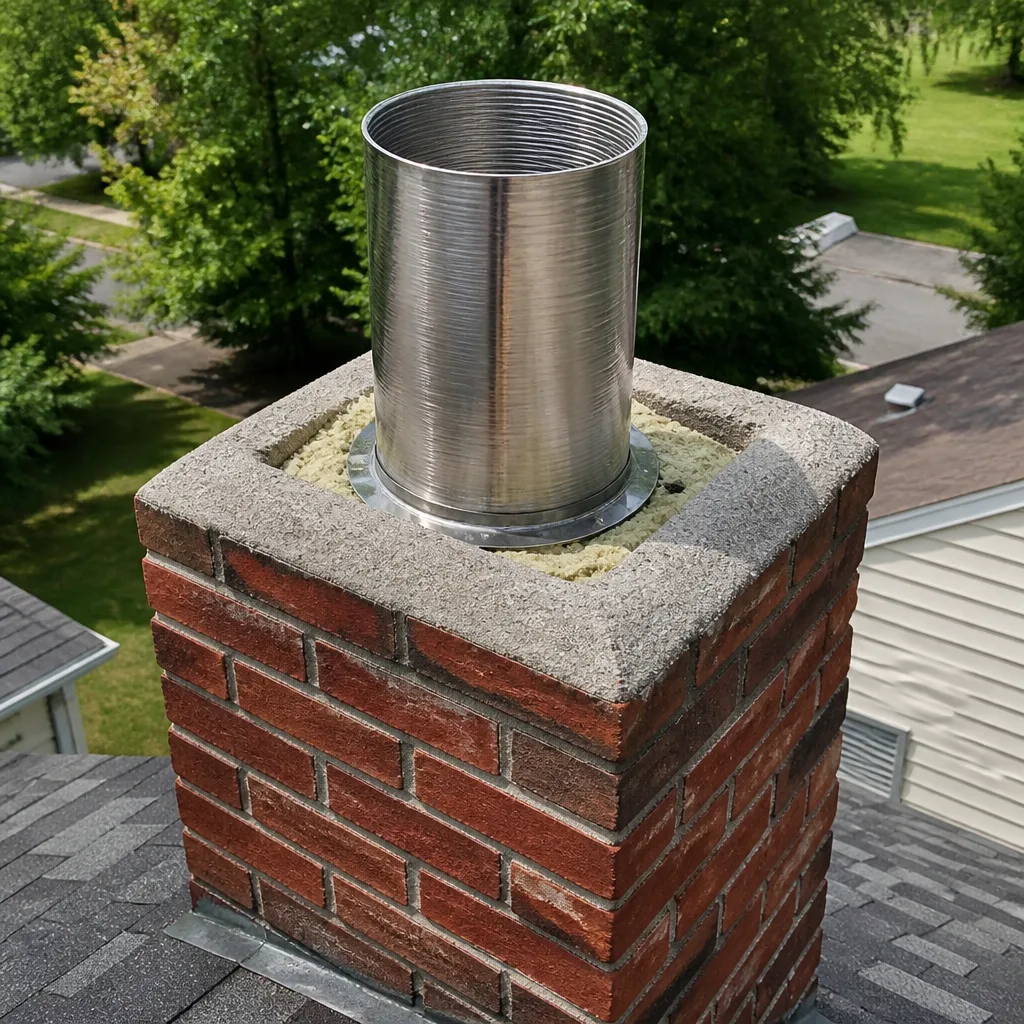
 Masonry repair
 Gas fireplace service
Level 1 sweep and inspection to the NFPA 211 annual standard - flue, crown, cap, and flashing checked and photographed
Chimney sweep logs do not sweep chimneys. They loosen some creosote - which then falls where a brush and vacuum still have to collect it.
Chimney Cleaning Permits, Codes & Inspections in Bay Ridge, NY: What You Need to Know
Most homeowners assume a chimney is a chimney and a sweep is a sweep: someone comes, brushes the flue, and leaves. Here’s the part that surprises people in Bay Ridge. The moment chimney work goes beyond cleaning, the job moves into New York City Buildings Department territory, and the paperwork matters as much as the masonry. A reline installed without a permit can sit on a property record as an open issue that turns up during a title search or an insurance review. This guide walks through where cleaning ends and permitting begins, how inspections and FDNY rules fit in, and how to check a Bay Ridge property for chimney-related violations before you buy or hire anyone.
Quick Answer
In Bay Ridge, routine chimney cleaning and inspection generally don’t require a DOB permit, but structural repair, relining, and appliance installations usually do. Liner replacement is typically filed with the NYC Department of Buildings as an Alt-2 alteration, solid-fuel appliance installations fall under FDNY requirements, and the flue for a boiler shares rules with the city’s mandatory annual boiler inspection. A proper inspection report documents the flue condition, clearances, and appliance connections so an owner can file correctly or satisfy an insurer.
Styles & brands we work with
- Sweep & inspection
- Caps & crowns
- Flue relining
- Masonry repair
- Gas fireplace service
Table of Contents
- Where cleaning ends and permits begin
- What an Alt-2 filing covers for a liner replacement
- Boiler inspections and connected flue cleaning in multi-family buildings
- FDNY requirements and what an inspection report must document
- How to check a Bay Ridge property for open chimney violations
- What a professional chimney inspection actually covers
- Why material choice affects code compliance
- Common mistakes to avoid
Where Cleaning Ends and Permits Begin in Bay Ridge
The simplest way to think about it: cleaning removes creosote from an existing flue, and that doesn’t change the structure, so no permit is needed. Inspection is observation, also no permit. The line is crossed when the work changes the chimney itself or the appliance connected to it.
Here’s roughly how NYC treats the split:
- No permit typically required: sweeping, video inspection, cap replacement, minor crown patching that stays within existing footprint.
- Permit typically required: liner replacement, rebuilding a chimney above the roofline, changes to flue size or shape, new appliance connections, and major masonry repair to the stack.
Bay Ridge has a lot of early-20th-century row houses and detached homes with original masonry chimneys, and many have been modified over the decades as heating systems changed. That history is exactly why the permit question comes up. A flue that served a coal furnace in 1925 and now serves a gas boiler or wood insert might never have been properly re-lined or re-sized for its current job. When we inspect a chimney in Bay Ridge, we’re looking at what the flue is being asked to do now, not just whether it’s dirty.
For straightforward cleaning, our chimney sweep service includes a camera inspection and a photo report, so you can see what we saw before any recommendation is made.
What an Alt-2 Filing Covers for a Liner Replacement
An Alt-2 is a Department of Buildings alteration filing for work that doesn’t change the use, occupancy, or egress of a building. For chimney work, that’s typically the filing used when a flue liner is replaced, since the liner is a structural and safety component of the chimney system. Getting this right is why a reline isn’t just a masonry task; it’s part construction, part paperwork.
What the filing generally needs to include:
- Description of work. Removal of the existing liner and installation of a new one, with the material and dimensions specified.
- Manufacturer documentation. Listings and installation requirements for the liner product. This is where specifying a professional-grade product pays off; we work with brands like DuraFlex for flexible liner systems and HeatShield for ceramic resurfacing, and both come with documentation a filing contractor can attach.
- Plan or sketch. In most cases a simple plan or elevation showing the flue location and termination.
- Licensed filing professional. The filing itself is typically made by a registered design professional or a licensed contractor authorized to file. If your contractor can’t file, they coordinate with someone who can.
Here’s the practical consequence: a liner installed without the filing is work that may never be documented, and that can surface later as an open DOB issue. For chimney repair of this scope, we always walk a homeowner through what will be filed before work begins so there’s no confusion about what’s covered.
Boiler Inspections and Connected Flue Cleaning in Multi-Family Buildings
Many Bay Ridge buildings are two- and three-family homes with a boiler serving the whole structure. New York City requires an annual boiler inspection, and that inspection specifically checks the boiler and its venting, including the flue connection. The chimney flue is part of the venting path, so what happens at the boiler is inseparable from what happens in the chimney.
What that means in practice for a Bay Ridge owner:
- The boiler inspection doesn’t sweep the flue. An inspector verifies the boiler and visible venting, but does not perform a chimney sweep or document the interior of the flue beyond what’s accessible.
- Sweeping and boiler inspection are separate tasks. A clean flue is what the boiler relies on to draft correctly, and a dirty or blocked flue is a reason the boiler can fail to vent safely.
- Gas and oil appliances need clear documentation. The flue condition, as found by a chimney inspection, is often what confirms the boiler can vent as designed.
If you own a multi-family in Bay Ridge and manage the boiler inspection, we recommend a chimney inspection on the same schedule so both records line up. Our technicians have up to 11 years of experience and can read a flue camera image alongside a boiler connection and tell you what’s actually happening.
FDNY Requirements and What an Inspection Report Must Document
Solid-fuel appliances – wood stoves, fireplace inserts, and any appliance that burns wood or pellets – fall under FDNY requirements for installation and use. The rules cover clearance to combustibles, the chimney or flue serving the appliance, and the connection itself. Your inspection report is often the documentation an owner needs to show compliance or to answer insurer questions.
A report that will satisfy an FDNY or insurance review typically includes:
- Appliance identification. What appliance is connected, its fuel type, and its rated venting requirements.
- Flue condition. Camera images of the flue interior, including creosote levels, cracks, gaps, and any obstruction.
- Clearances. Documented distance from the appliance and connector to combustible material.
- Termination. Cap, crown, and top-of-flue condition, with photos.
- Findings and recommendations. What’s safe, what needs attention, and what can wait.
We use this report as the honest starting point, not a sales funnel. If the appliance is installed correctly and the flue is clean, the report says so. Our chimney cap & crown services address two of the most common failure points the report will flag, since water damage to the crown and a missing or damaged cap are the leading causes of premature flue deterioration.
How to Check a Bay Ridge Property for Open Chimney Violations
Before you buy a Bay Ridge property, or before you hire anyone to work on a chimney, it’s worth knowing what the Buildings Department already has on record. NYC Local Law 11 facade inspections have flagged exterior masonry on many older buildings in the neighborhood, and chimney-related work can appear as an open violation if it was filed improperly or not filed at all. That record travels with the property.
How to check:
- Search the DOB NOW public portal. Enter the property address and look for open violations and job filings. Chimney work is often filed as an alteration, sometimes with a description that’s easy to miss.
- Look for open complaints. A complaint that was never resolved can appear alongside an unresolved violation.
- Ask for the certificate of correction. If a chimney-related violation was resolved, the owner should be able to produce documentation showing it was corrected and signed off.
- Request the inspection record. If a liner was replaced, ask for the filing number and the inspection sign-off.
The point of all this isn’t to scare you out of a sale. It’s to give you the information before money changes hands. When we’re asked to look at a Bay Ridge chimney before a purchase, we check the flue and report what we find, and we can tell you when work is required versus when it can safely wait.
What a Professional Chimney Inspection Actually Covers
A chimney inspection is a room-by-room and level-by-level look at the whole system, not just the firebox. The industry describes three levels, and which one you need depends on what’s happening at the property.
- Level 1: a visual check of the accessible portions of the chimney, firebox, and connector. Standard for a routine annual check when the appliance and fuel type haven’t changed.
- Level 2: everything in Level 1 plus a video scan of the flue interior. Required when a property changes hands, when an appliance is replaced, or when a problem is suspected.
- Level 3: a targeted investigation that may require opening walls or removing parts of the chimney to reach a specific problem.
For most Bay Ridge homeowners, a Level 2 is what an inspection should include when selling, buying, or changing a heating appliance, and it’s what our inspection includes by default because the camera is the only way to actually see the flue. The photo report is yours to keep, and it’s what makes the difference between “your chimney needs work” and a documented reason with an image attached. We connect homeowners with independent local professionals who are licensed and insured as their state requires, and the estimate is set per job in writing before any work is booked.
Why Material Choice Affects Code Compliance
A liner or cap that’s installed properly but made of the wrong material for the flue isn’t compliant, even if it looks right. NYC filings ask for the material and dimensions, and an inspector will compare what’s documented to what was installed. That’s why we specify professional-grade brands that come with their own documentation, rather than whatever is available at a general supplier.
A few examples of how material choice ties to the code:
- DuraFlex flexible liner systems are what we use when a flue has bends, offsets, or restricted access. Rigid liners can’t follow those paths, and cutting them short changes the venting performance the code requires.
- HeatShield ceramic resurfacing restores a cracked clay flue liner without a full replacement, which is a repair scope that some filings can accommodate when the structural integrity of the original is intact.
- Famco and Copperfield components cover caps, crowns, and connective parts, and the right fit matters for water tightness and clearances.
The material question isn’t cosmetic. It’s what an inspector will compare to the filing, and it’s what your insurer will ask about if there’s ever a claim. We’re a chimney-only specialist; we don’t do roofing or general masonry, so the material decisions we make are all about the chimney system.
Common Mistakes to Avoid
- Assuming a cleaning covers a reline. Cleaning and relining are entirely different scopes, and only one of them requires a permit. Ask which service your contractor is quoting before you book.
- Letting a liner get installed without asking about filing. If your contractor can’t tell you how the work will be documented with the DOB, stop and ask. An unfiled liner can trigger a violation later.
- Skipping the Level 2 inspection before buying a Bay Ridge property. Old row houses often have chimneys modified multiple times. A camera scan before closing is cheap compared to what an open violation can do to a sale.
- Treating the boiler inspection as a chimney sweep. They’re separate, and a passed boiler inspection doesn’t mean the flue is clean. Schedule a chimney inspection in the same season.
- Using a general contractor for chimney work. Generalists rarely have the professional-grade liner brands or the filing experience chimney work requires. A chimney-only specialist keeps the permitting and installation under one roof.
- Ignoring a failing crown. A cracked crown lets water into the flue, which is the start of a slow, expensive repair. Cap and crown work is preventive.
- Accepting a verbal recommendation. Ask to see the camera image and the photo report. If a contractor won’t show you, that’s your answer.
See the difference
 Before
 After
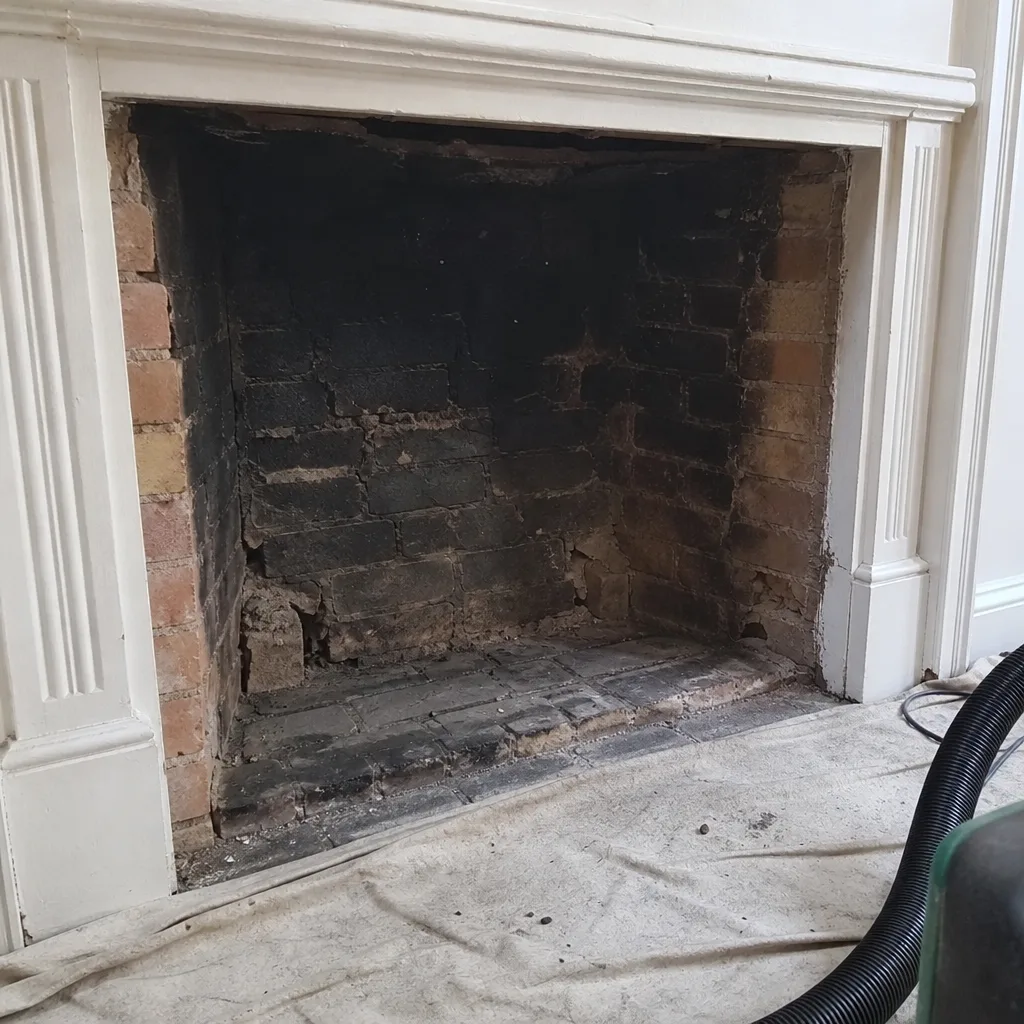 Before
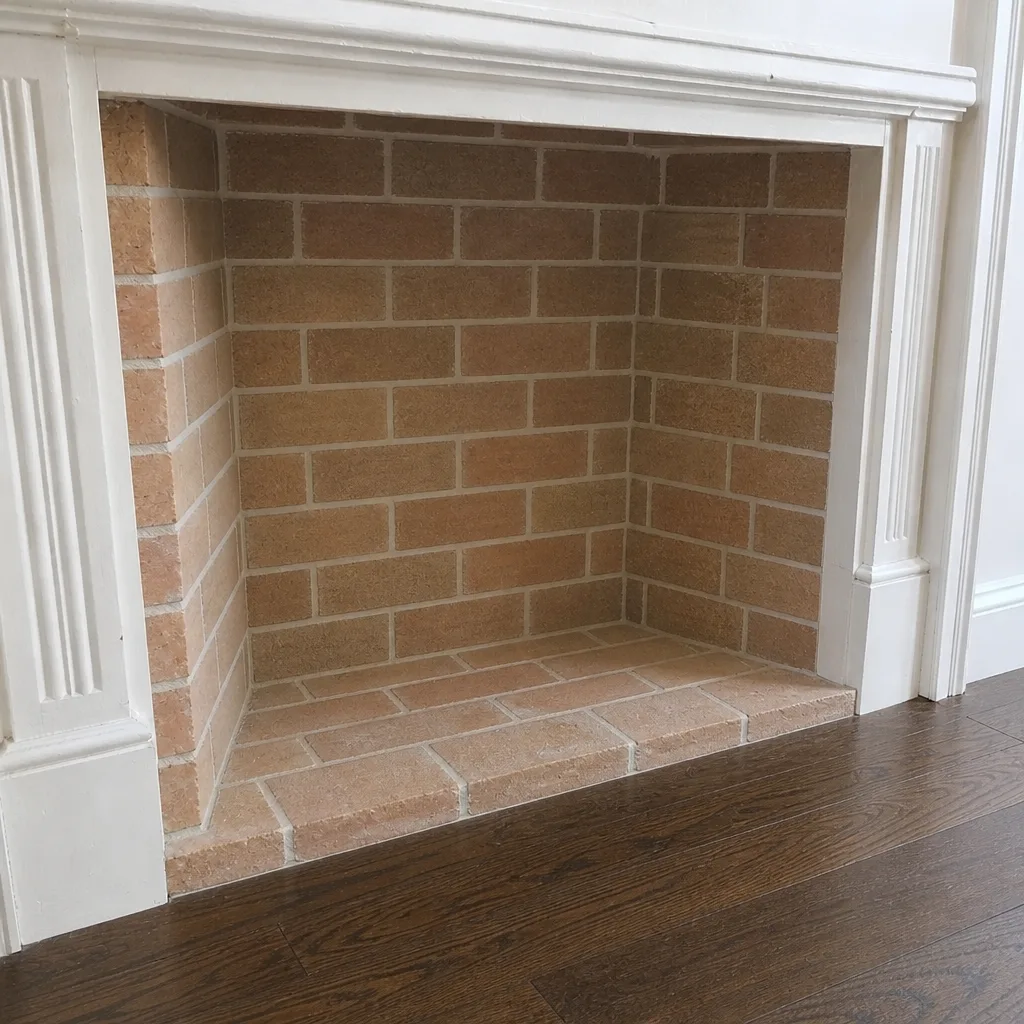 After
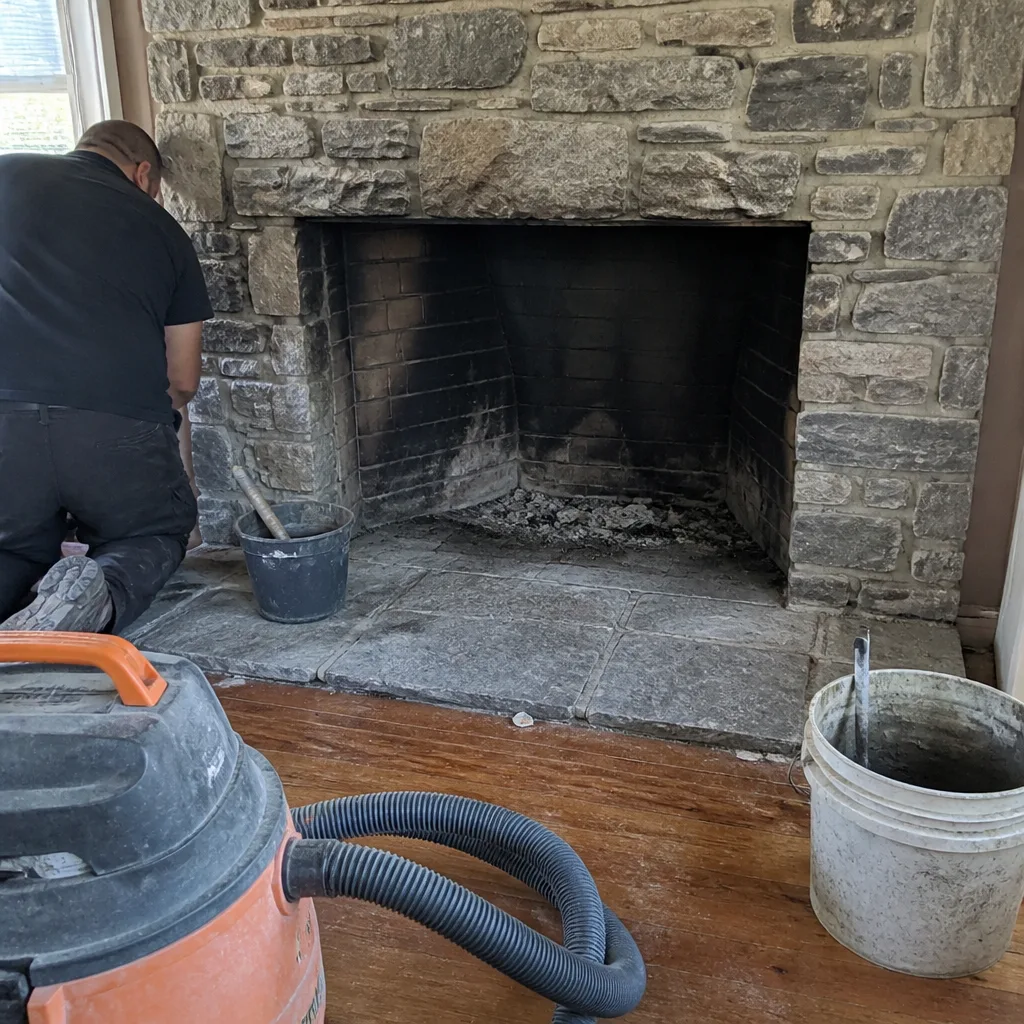 Before
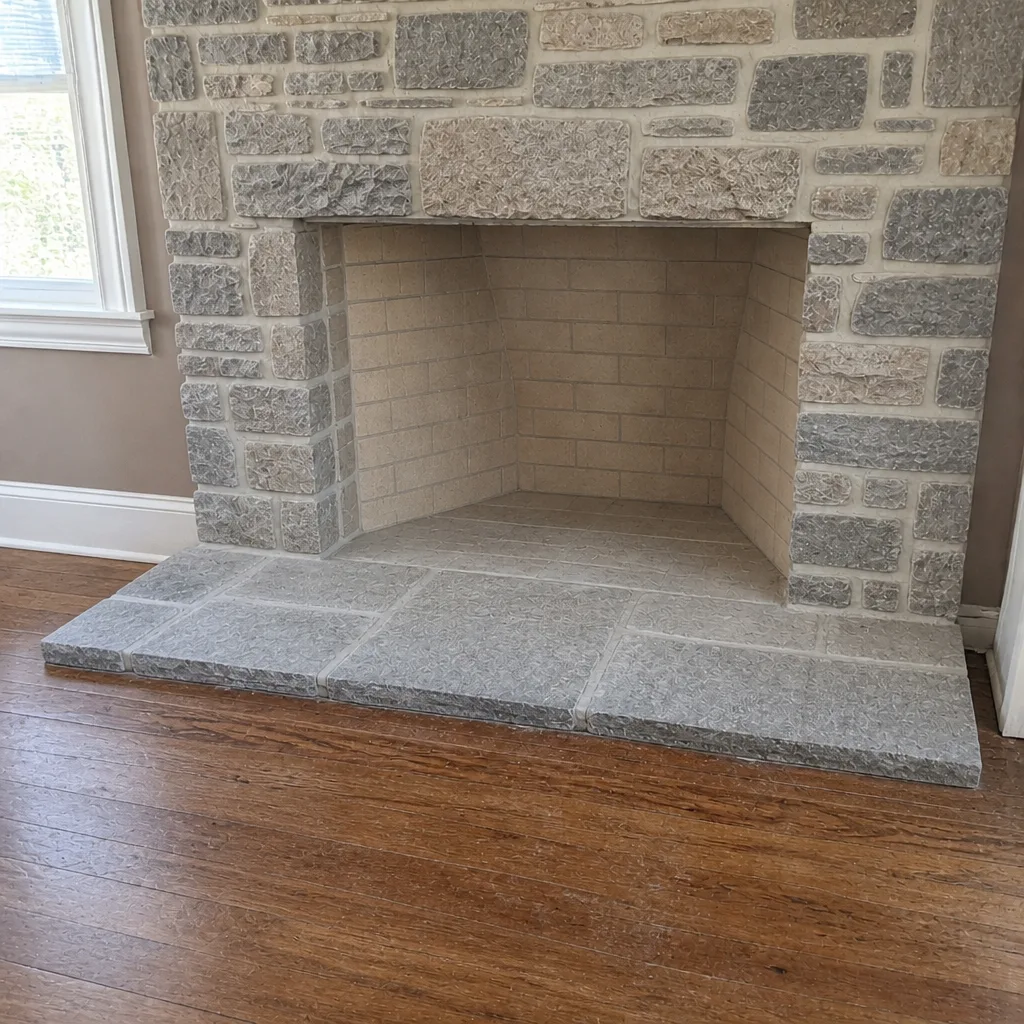 After
When to Call a Professional
Call a chimney professional when you’re buying or selling a Bay Ridge property and need a documented inspection, when a wood-burning appliance is being installed or replaced, when the boiler or its venting is being serviced, or when you notice a problem you can’t explain from the firebox – a smoky draft, water staining near the chimney, or a loose cap on the roof. Call us before the burning season rather than during it, since that’s when scheduling is easiest. If you’re not sure whether work is needed, that’s a good reason to call too, because the answer may be that nothing is needed yet. Chimney Sweep Bay Ridge offers free estimates in Bay Ridge; call (855) 551-0049. We answer 24/7. Fast dispatch from 7am to 7pm, Sunday through Friday.
Frequently Asked Questions
No, routine chimney cleaning and inspection don’t require a DOB permit in Bay Ridge. Permits come into play when the work changes the chimney structure or the appliance connection, such as a liner replacement or a new solid-fuel appliance. Call (855) 551-0049 for an exact quote – estimates are free.
Cleaning removes creosote and debris from an existing flue; inspection is the visual and camera examination of the whole system; relining replaces the flue liner itself. Only relining typically requires a DOB filing. If you’re unsure which you need, an inspection will tell you. Call (855) 551-0049 for an exact quote – estimates are free.
Search the DOB NOW public portal by address and look for open violations and job filings. Chimney work is often filed as an alteration, so read the descriptions on each filing. If a violation was corrected, the owner should have a certificate of correction on file. Call (855) 551-0049 for an exact quote – estimates are free.
No, the annual boiler inspection verifies the boiler and its venting but does not sweep or document the flue interior. A chimney inspection on the same schedule fills that gap. Call (855) 551-0049 for an exact quote – estimates are free.
It should show the appliance and fuel type, documented flue condition with camera images, clearances to combustibles, termination condition, and findings with recommendations. That’s the report an FDNY review or insurer will typically ask for. Our team at Chimney Sweep Bay Ridge provides this as part of our inspection service. Call (855) 551-0049 for an exact quote – estimates are free.
Sometimes, yes. A hairline crack in a clay liner that isn’t yet a fire or carbon monoxide risk can often be scheduled for the next reasonable window, and we’ll tell you plainly when work can safely wait. Work that compromises the venting of an active appliance shouldn’t be put off. Call (855) 551-0049 for an exact quote – estimates are free.
The Bottom Line
Chimney cleaning doesn’t require a permit, but liner replacement, structural repair, and appliance installation generally do, and the filing follows the work. In Bay Ridge, that means a Level 2 inspection with camera documentation before you buy a property, schedule a liner replacement, or connect a solid-fuel appliance. The inspection report is what ties the work to the code and to your insurer, and the photo report is what lets you see for yourself why work is being recommended. When you’re ready, a chimney-only specialist can carry the work from inspection through filing to installation without handing it off.
If you’d like a straight answer on what your chimney needs in Bay Ridge, call (855) 551-0049 for a free estimate. We answer 24/7. Fast dispatch from 7am to 7pm, Sunday through Friday.
Written by the team at Chimney Sweep Bay Ridge.