
Last updated November 22, 2026
 Sweep & inspection
 Caps & crowns
 Flue relining
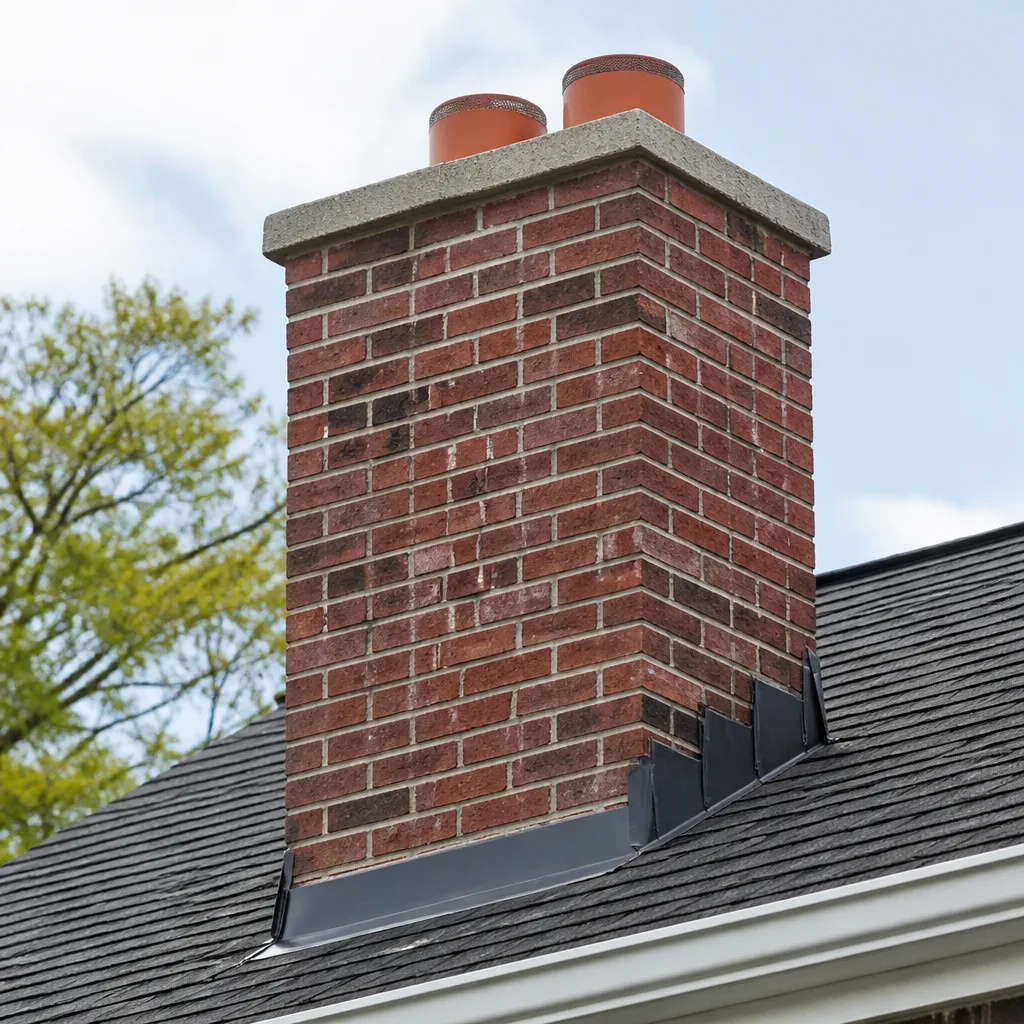 Masonry repair
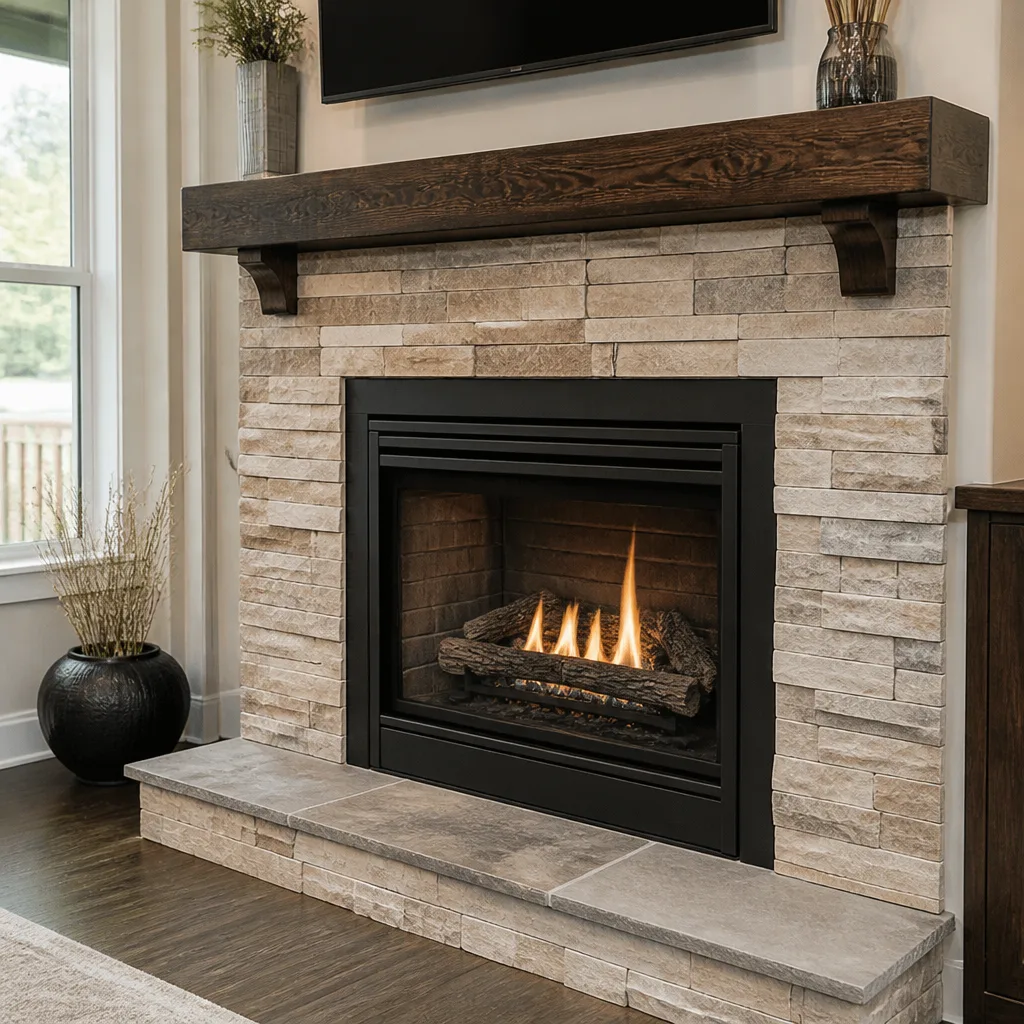 Gas fireplace service
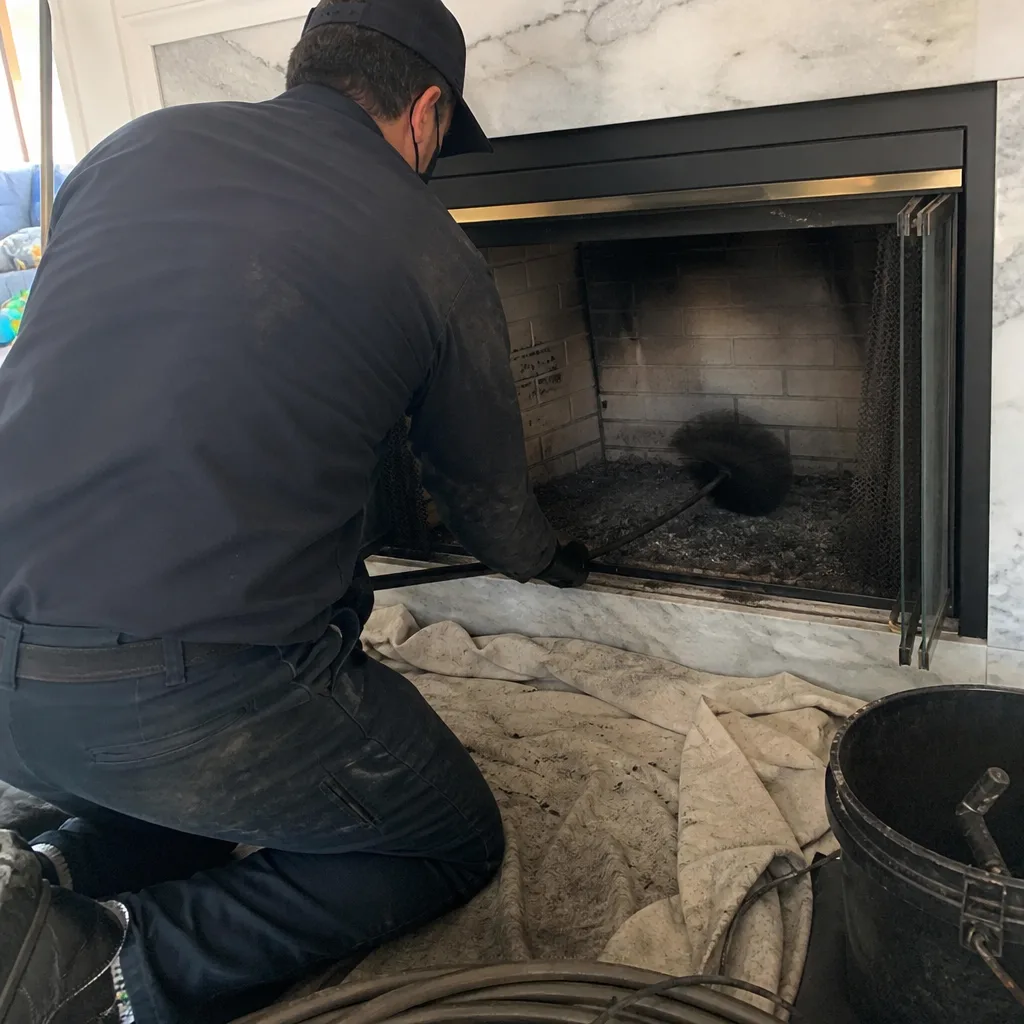
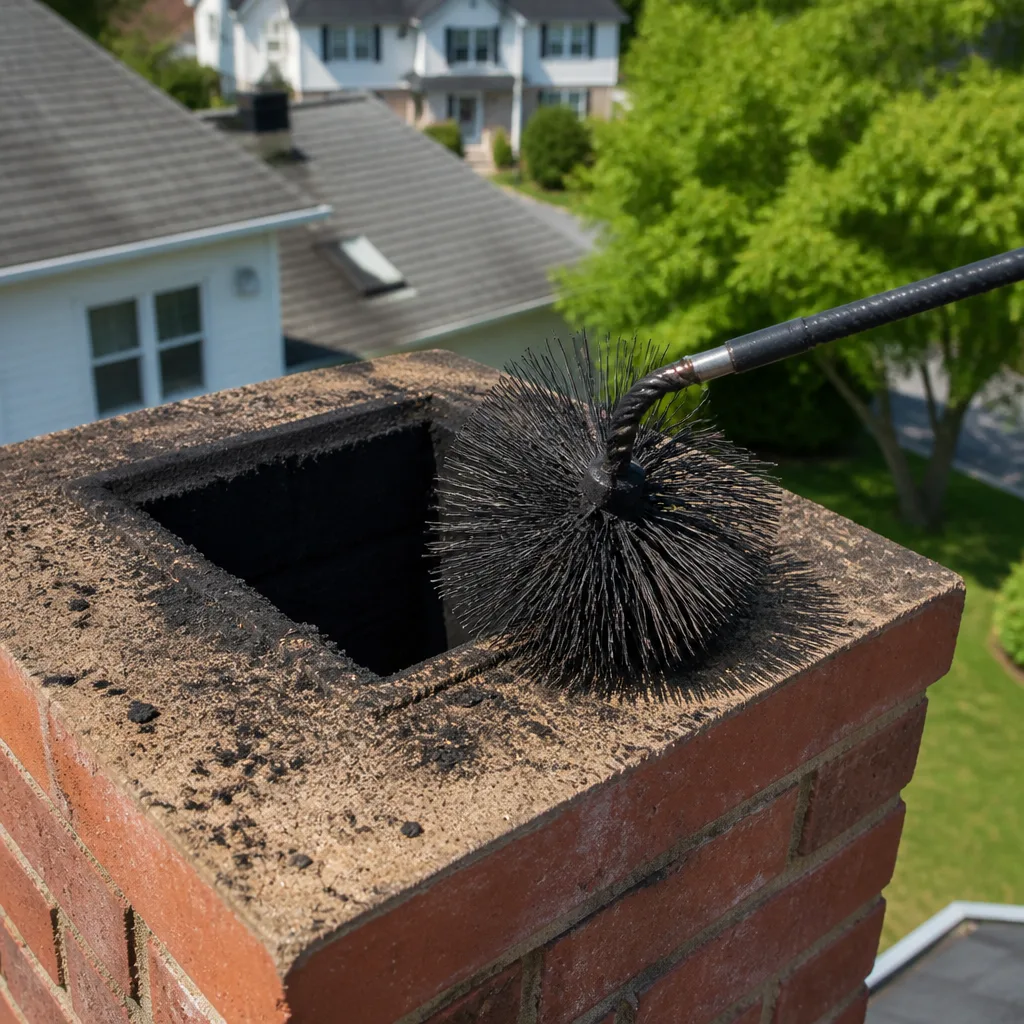
Level 1 sweep and inspection to the NFPA 211 annual standard - flue, crown, cap, and flashing checked and photographed
Chimney sweep logs do not sweep chimneys. They loosen some creosote - which then falls where a brush and vacuum still have to collect it.
DIY vs Professional Chimney Cleaning: The Bay Ridge Homeowner’s Decision Guide
Most chimney cleaning advice online treats every flue the same, and that’s where homeowners get hurt. Two houses on the same Bay Ridge block can hide completely different chimney systems: one a straight single-story flue that’s genuinely forgiving, the other an offset clay-tile liner tucked inside a 1920s rowhouse where a brush stops dead at the first bend and leaves the creosote behind. The decision of whether to clean it yourself isn’t really about saving money. It’s about correctly identifying which situation you’re standing in. This guide walks you through that identification, what a brush cannot see, and the one case where cleaning between professional visits makes sense.
Quick Answer
DIY chimney brushing is only a reasonable option when the flue is straight, the liner is sound, and you already have a professional inspection on record confirming both. In a Bay Ridge rowhouse with an offset clay liner, a hidden smoke chamber, or any sign of moisture, brushing yourself is likely ineffective and can mask a problem a camera would catch. A professional sweep is the safer default, and only a trained eye can tell you which category your chimney falls into.
Styles & brands we work with
- Sweep & inspection
- Caps & crowns
- Flue relining
- Masonry repair
- Gas fireplace service
Table of Contents
- Which Flue Configurations Make DIY Brushing Workable
- What DIY Brushing Cannot Assess (And Why It Matters)
- The Real Cost of Professional-Grade Brushing Equipment
- How a DIY Cleaning Can Mask a Serious Problem
- The One Scenario Where You Should Clean Between Professional Visits
- How a Professional Sweep Actually Works in a Bay Ridge Home
- A Step-by-Step Framework for Your Decision
Which Flue Configurations Make DIY Brushing Workable
The single biggest factor in whether DIY brushing works comes down to geometry. A brush on a flexible rod can clean any flue it reaches in a straight, unobstructed line. The moment it hits an offset, a corbeled smoke chamber, or a damaged flue tile, that same brush stops being effective.
Bay Ridge’s housing stock runs heavily toward rowhouses and detached homes built between the 1910s and the 1950s, and many of those chimneys were framed with clay-tile liners set at an angle to route around roof structure or neighboring rooms. A straight flue in a newer or renovated home is a different animal entirely. Here’s the practical distinction:
- DIY-feasible: A straight vertical flue, single-story, with an intact liner confirmed by a prior inspection, a clean cap with no debris, and a firebox that hasn’t shown cracking or joint separation.
- Not DIY-feasible: Any flue with an offset or bend, an unlined crawl-space chimney, a chimney with visible white staining (efflorescence) suggesting moisture, a firebox with loose mortar joints, or a smoke chamber with corbeling that traps creosote on the shelf.
What makes the offset flue particularly troublesome is that a brush will pass through the first angle and then jam or skip along the far wall, leaving a band of creosote untouched around the outside of the bend. A homeowner running the brush may feel resistance, assume the flue is cleaned, and never realize that the creosote that matters most is the glaze clinging to the inner curve of the offset. If you’re unsure whether your flue is straight, the only way to know is a camera inspection. Our technicians have up to 11 years of experience reading these configurations, and the chimney sweep process always starts with a visual assessment before any brush touches the flue.
What DIY Brushing Cannot Assess (And Why It Matters)
Brushing removes creosote from the flue walls. It does not look at the flue walls. That gap between cleaning and assessing is where the real risk lives, and it’s the part of the DIY conversation that gets lost.
A professional sweep checks the system in layers, and each layer answers a different question about fire and carbon monoxide safety:
- Liner integrity: Cracks, spalling, and gaps in clay tiles let heat and gases reach framing. Brushing cannot reveal a hairline crack that a camera sees clearly.
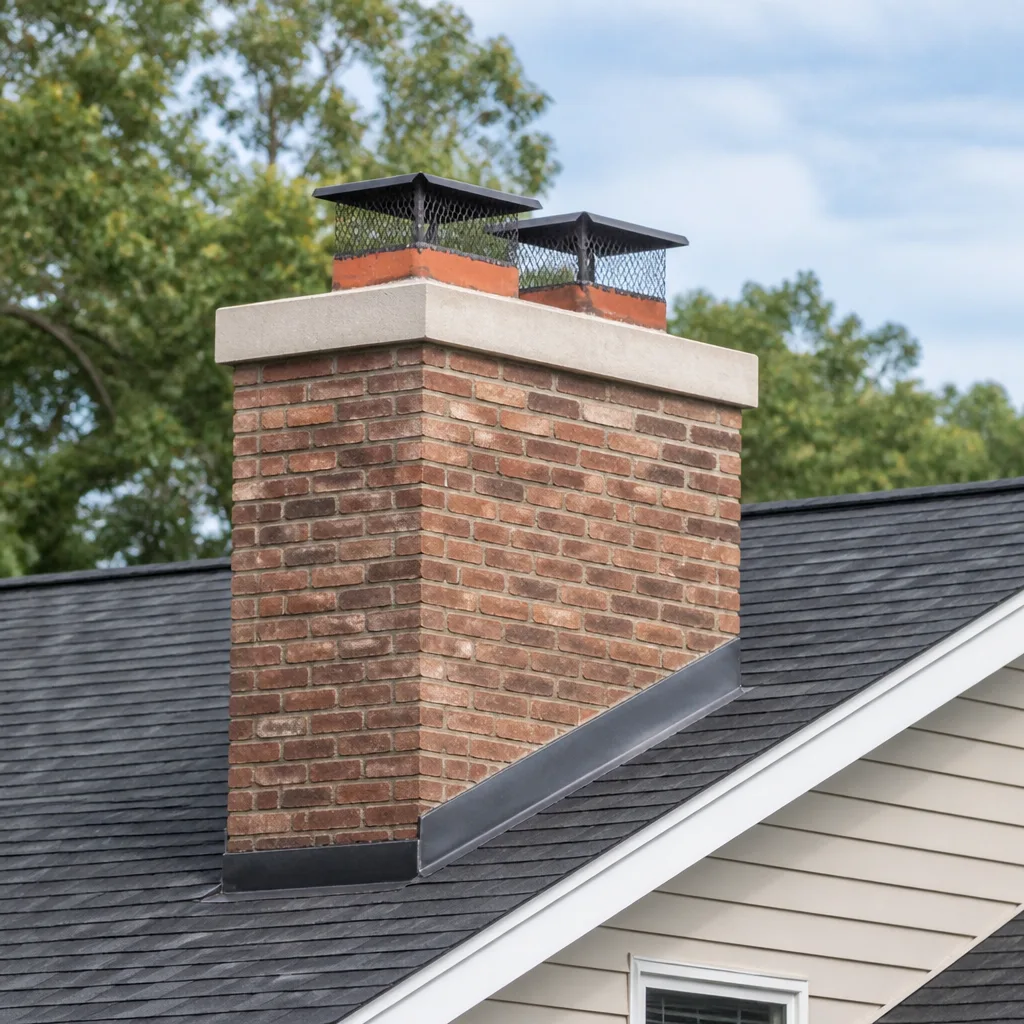
- Cap condition: A missing or damaged cap is the most common entry point for rain, which degrades the liner from the inside. A brush passes right under a broken cap without noticing. Proper chimney cap & crown work is a targeted fix for this exact problem.
- Smoke chamber corbeling: The smoke chamber shelf is where creosote glazes most heavily and where a brush can’t reach. It’s also where a fire can start.
- Firebox joint condition: Loose mortar joints between firebox bricks allow heat to migrate into the surrounding masonry. Brushing won’t find one.
- Crown and flashing: A cracked crown lets water seep into the chimney structure. That water damage is usually invisible from inside the flue until it shows up as staining or spalling months later.
In our experience working through Bay Ridge chimneys, a homeowner who has brushed their own flue for several years often has no idea what the liner looks like. The cleaning happened. The evaluation didn’t. Those aren’t the same task, and treating them as one is how false confidence builds. The good news is that a documented inspection gives you a baseline: photos and notes you can compare against next year, so you’re tracking change instead of guessing at it.
The Real Cost of Professional-Grade Brushing Equipment
Here’s a fact that rarely makes it into DIY guides: the equipment a professional sweep carries is not the same equipment you’ll find at a home center, and buying the professional version is a poor investment for once-a-year use.
A proper sweep kit includes flexible polypropylene rods that can bend through an offset, a correctly sized brush matched to flue diameter, a HEPA-capable vacuum with enough suction to contain the dust cloud that brushes generate, drop cloths for the room, and a respirator. Buying that kit means spending real money on gear you’ll use once or twice a year. A single misread of flue diameter or a brush that’s too stiff and scratches a clay liner can create problems that cost far more than the kit saved. Then there’s the practical reality of getting equipment up onto a Bay Ridge rowhouse roof, working around a cap, and hauling debris down through a narrow stair and out of a living room without coating the furniture in soot.
What that math really tells you is that DIY brushing is a labor-and-risk exchange, not a savings plan. For the one in five homeowners whose flue is genuinely straight and confirmed sound, that exchange can be fine. For everyone else, the equipment spend is wasted because the job won’t get done right anyway.
How a DIY Cleaning Can Mask a Serious Problem
A homeowner who brushes their chimney every fall and sees clean flue walls may conclude the chimney is fine. That conclusion is the problem. Creosote removal and system safety are two different measurements, and clean walls only tell you that walls are clean.
Consider a flue with a small crack in a clay tile. The crack is invisible from inside. The fire burns the same. The brush passes through. The next year, the crack has opened further because thermal cycling and moisture have done their work. By the time the homeowner sees staining on the exterior masonry or smells smoke backing into the room, the issue has moved from “one tile needs a repair” to “the liner needs attention.” None of that progression requires the flue to look dirty. That’s the false confidence trap in a single sentence: clean doesn’t mean safe.
A documented inspection breaks the cycle. Our approach is to give you camera photos and a plain explanation of what we see, so you have a record in your hands. If the liner shows cracks but the underlying structure is sound, we may be able to restore the flue interior with HeatShield ceramic resurfacing rather than replacing the whole liner. That option isn’t available from most general contractors, and it’s a real alternative to a much bigger bill. When a repair can safely wait, we say so. The written estimate is the final word, and you shouldn’t sign one until you can see the evidence behind it.
The One Scenario Where You Should Clean Between Professional Visits
There’s a legitimate reason to brush your own flue between professional inspections: you burn a lot of wood, the flue is a confirmed-straight single flue, the liner passed inspection, and you want to extend the interval before the next scheduled sweep. That’s a reasonable use case. It is not a substitute for an annual or bi-annual inspection.
A chimney repair or cleaning schedule only holds if you know your flue is sound, so the first step is always the inspection. Assuming you have that baseline, here’s how to brush conservatively:
- Protect the room first. Lay drop cloths across the hearth and floor. Soot is fine and travels.
- Check the cap. If debris is blocking it or the cap is loose, stop and call a professional before doing anything else.
- Size the brush correctly. Match brush diameter to flue diameter. Too stiff can abrade a clay liner.
- Work the flue from the top if you can access it safely. Roofs are a serious fall risk, so if you’re uncomfortable on a Bay Ridge rowhouse roof, do not go up.
- Brush in short passes with a flexible rod. Never force the rod past resistance. That’s your signal to stop.
- Vacuum with a HEPA unit to contain the dust cloud.
- Record what you see and what you cleaned. Note the date so your next inspection has a reference.
If you’re a wood-burning regular burning twice a week, brushing mid-season may make sense. If you burn now and then, the professional sweep schedule is enough on its own, and adding a DIY pass gives you nothing.
How a Professional Sweep Actually Works in a Bay Ridge Home
Understanding what a professional sweep includes helps you see the difference. It starts with a flat-price sweep agreed before booking, so there’s no surprise at the door. From there, the visit runs in a predictable sequence:
- Visual inspection of the exterior: cap, crown, flashing, and masonry condition.
- Camera inspection of the flue: a photo report showing what the camera sees.
- The sweep itself: correct-sized brushes pulled through from the top and bottom.
- Firebox and smoke chamber review: checking joint condition and corbeling that traps creosote.
- A written plan: what we recommend, what can wait, and what materials we’d use.
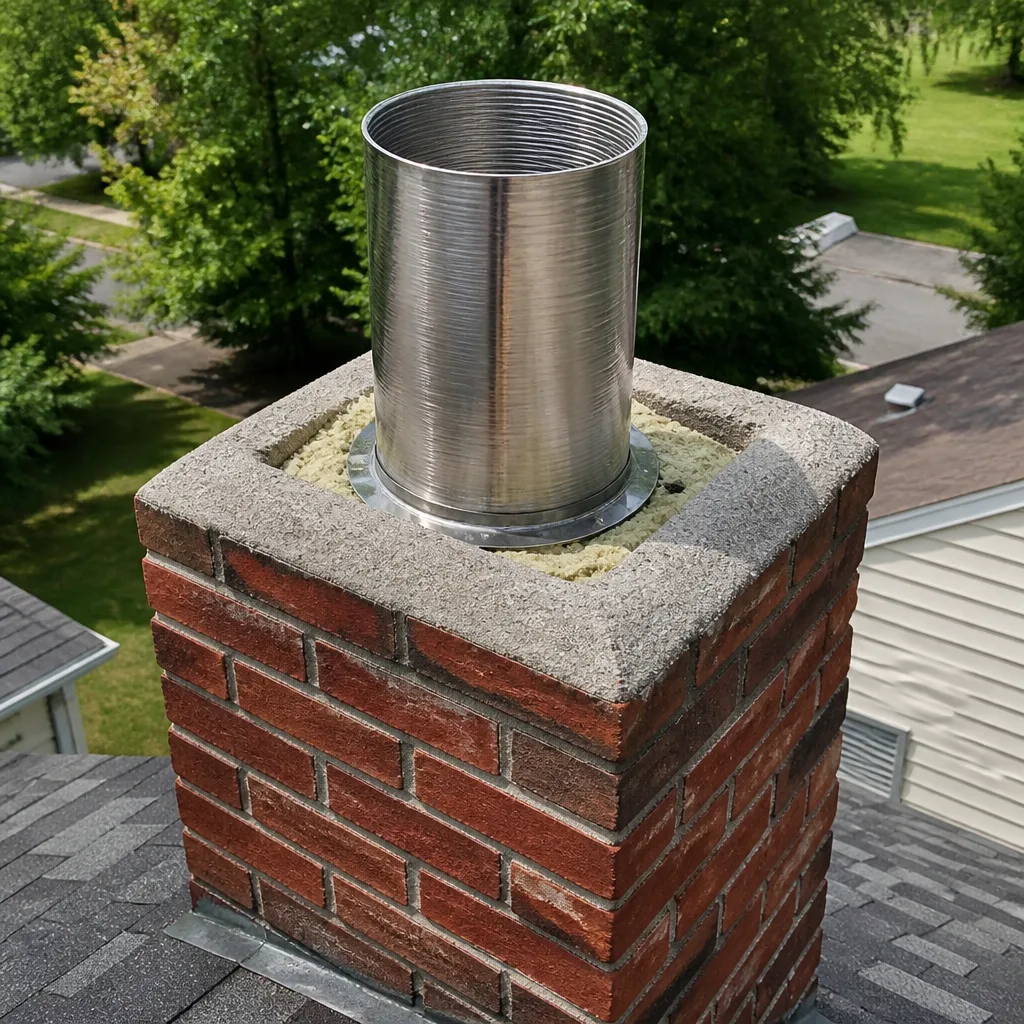
When repairs are needed, we specify the right material for the job. A DuraFlex flexible liner suits a chimney with bends or offsets where a rigid liner won’t fit. A cap or crown replacement installed with an Olympia Chimney component or a Famco cap addresses the two most common points of water intrusion. Gelco and Copperfield components round out the roster when the job calls for them. The point isn’t the brand names; the point is that the person inspecting your chimney is the person who understands the materials, so the recommendation comes from the same source that would do the work.
Bay Ridge chimneys face a few recurring conditions: masonry that has absorbed decades of weather, clay liners past their prime, and crowns with hairline cracks that let water into the structure every rain. A sweep that doesn’t address those points isn’t a sweep, it’s a brushing. A dedicated Chimney Sweep Bay Ridge visit covers both. Our technicians have up to 11 years of experience with this housing stock, and we treat the inspection as the honest starting point, not a sales funnel.
Common Mistakes to Avoid
- Assuming clean flue walls mean a safe chimney. Brushing doesn’t assess liner integrity, cap condition, or the smoke chamber. A clean flue can still have a crack that needs attention.
- Brushing an offset flue without a camera check first. A brush stops at the bend and leaves creosote on the far wall. You can’t tell by feel that the job is incomplete.
- Buying a stiff brush that scratches a clay liner. Match brush size and hardness to your flue. A scratched liner is a repair, not a cleaning.
- Using a homemade chain or weighted object on a rope. This risks damaging the flue tile and does not clean effectively.
- Ignoring a loose or damaged cap because the flue looks fine. A missing cap is where water gets in, and water is what degrades the liner from the inside out.
- Climbing onto a Bay Ridge rowhouse roof without the right footing. Rooftops here are steep and narrow, and a fall is far more serious than a soot-stained room.
- Skipping the annual inspection because the flue looks clean. The inspection is the record that lets you spot change year over year. Without it, you’re guessing.
See the difference
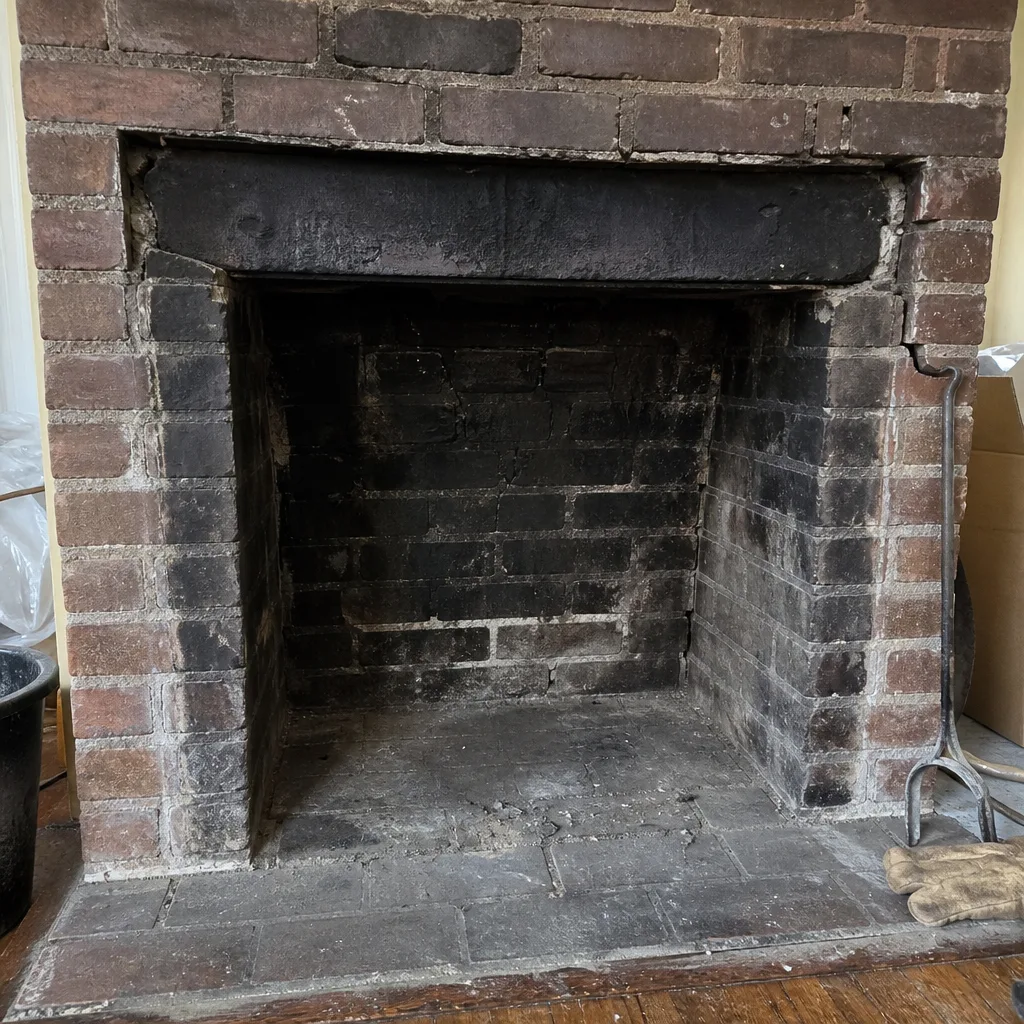 Before
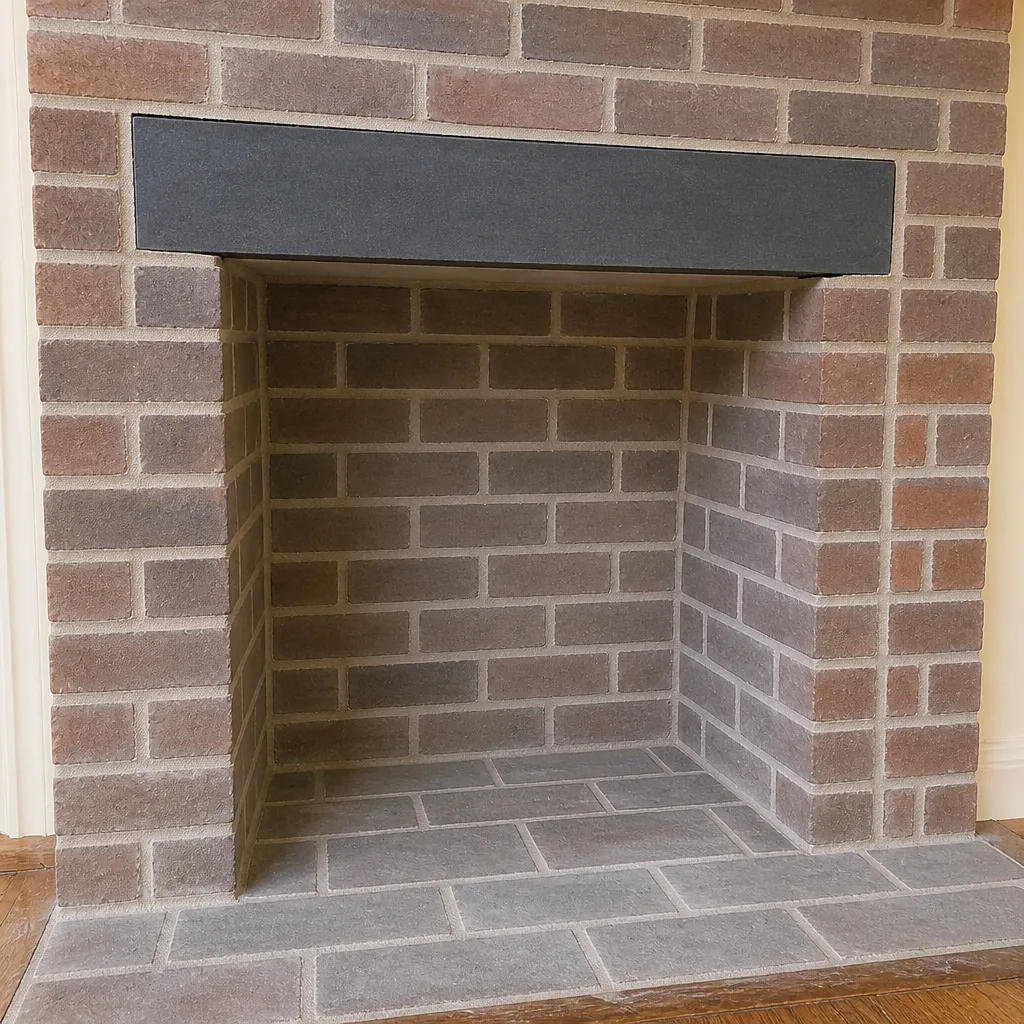 After
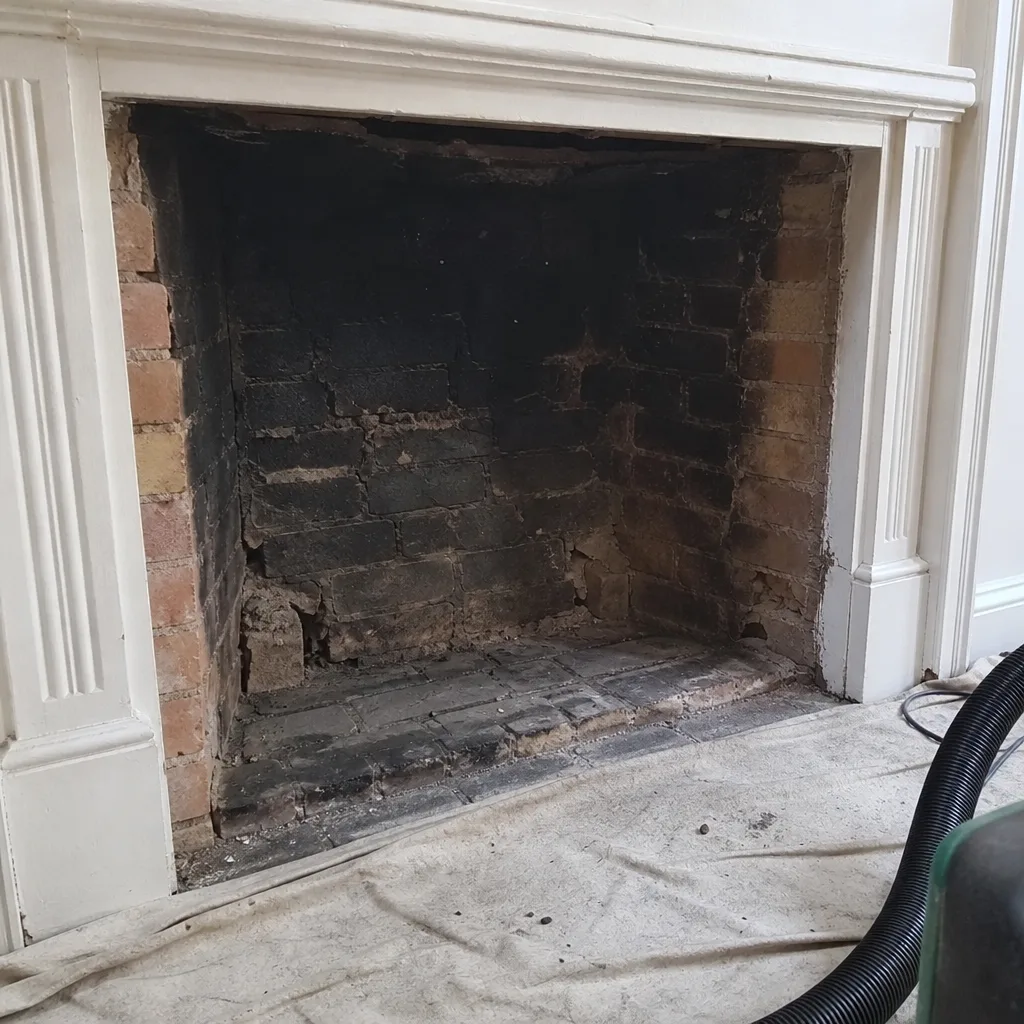 Before
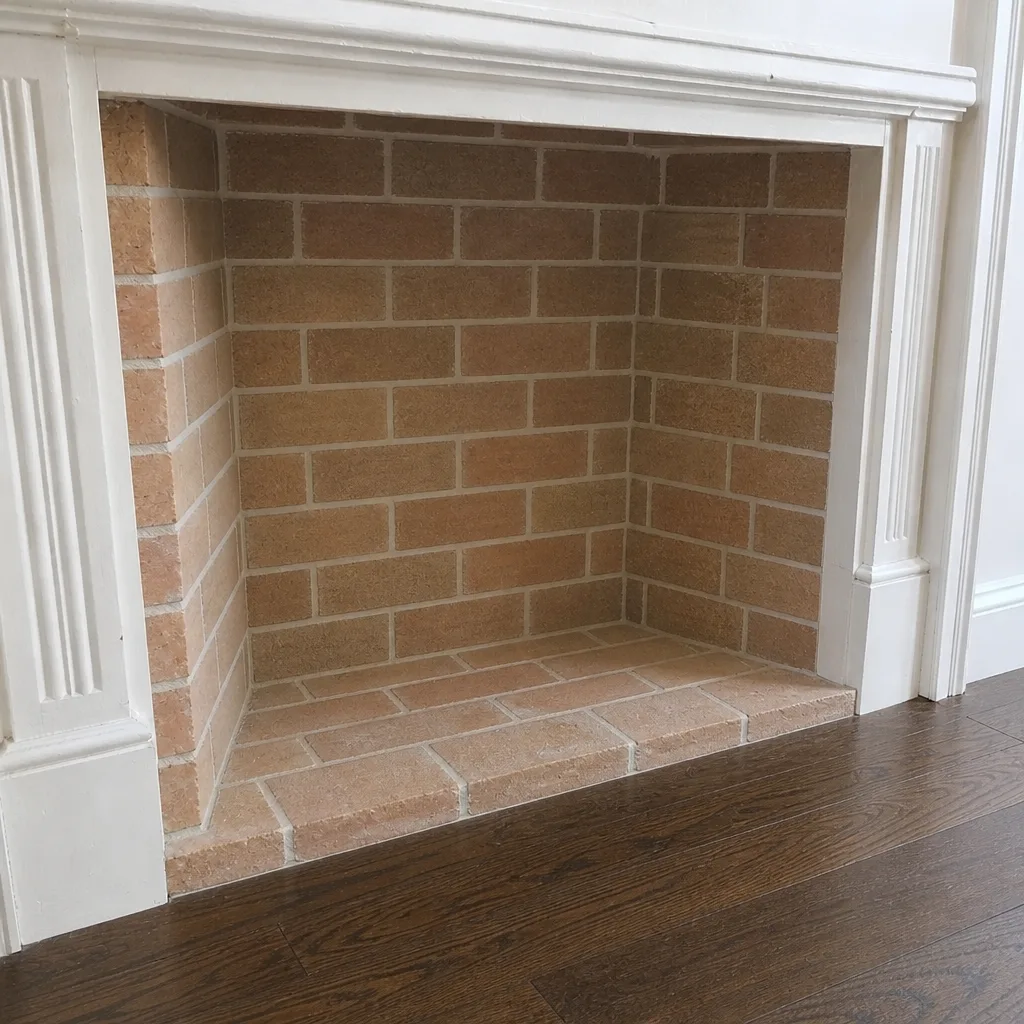 After
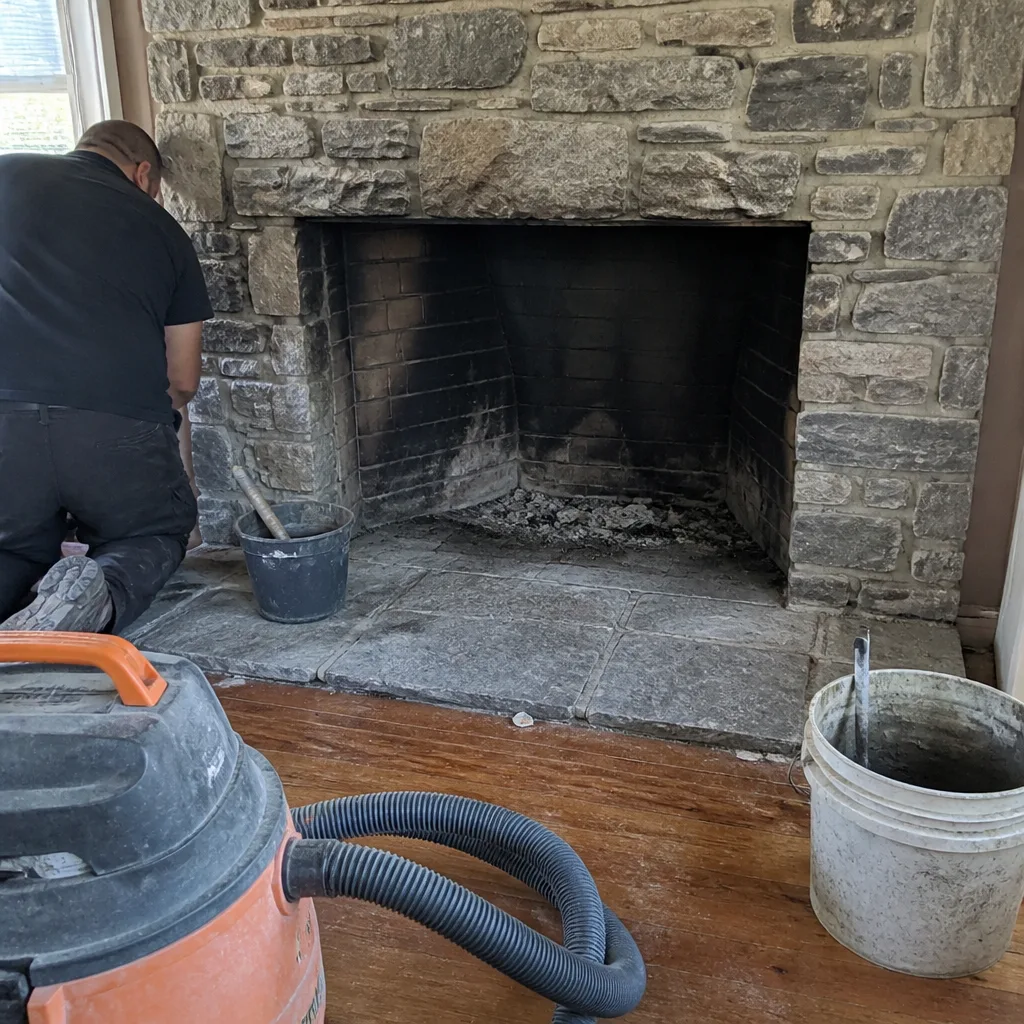 Before
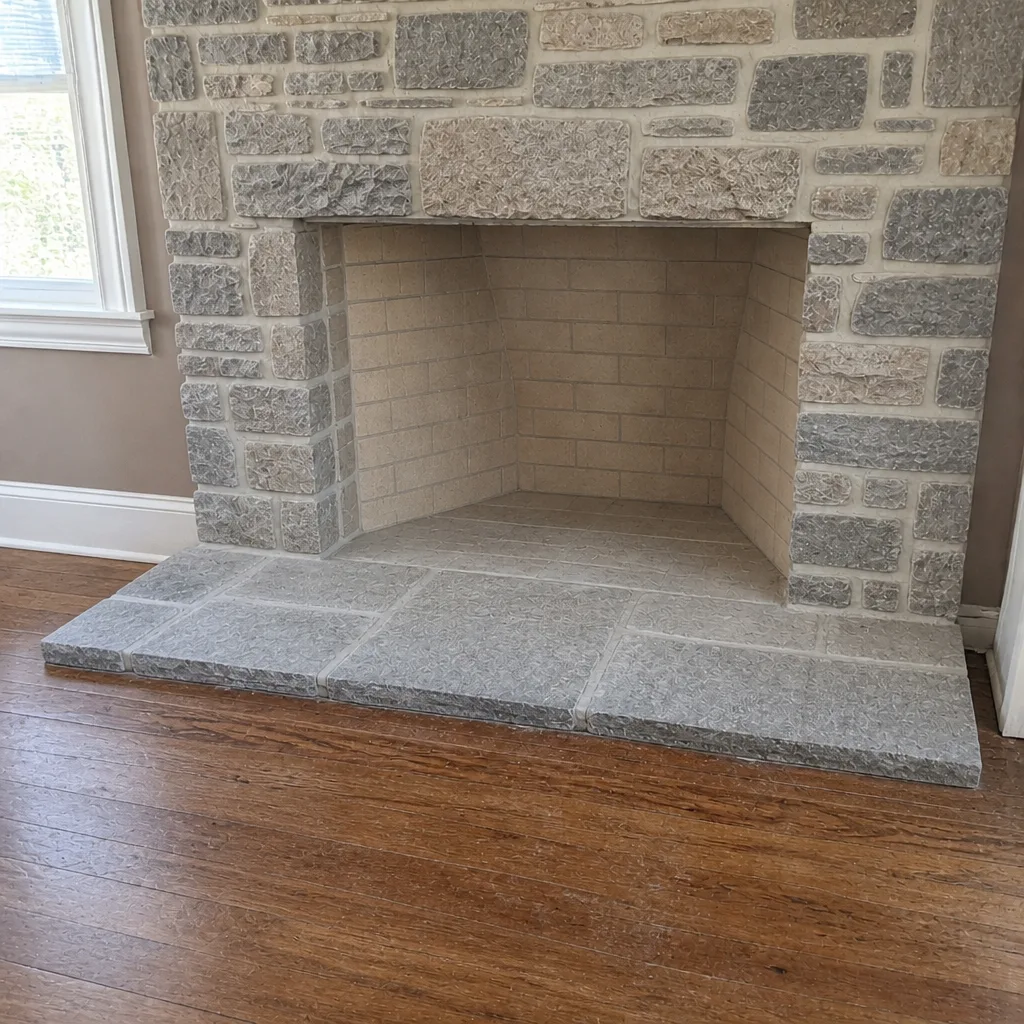 After
When to Call a Professional
Call a professional if your flue has any bend or offset, if you don’t know when it was last inspected, if your cap is loose or missing, if you see white staining on the exterior masonry, if the firebox has loose mortar joints, or if you smell smoke backing into the room when the fire is burning. If you’ve never had a camera inspection, that alone is why to call. We connect Bay Ridge homeowners with a vetted local chimney professional who is licensed and insured as their state requires. Chimney Sweep Bay Ridge offers free estimates in Bay Ridge, with a flat-price sweep agreed before booking and camera inspection and photo report included. Call (855) 551-0049. We answer 24/7. Fast dispatch from 7am to 7pm, Sunday through Friday.
Frequently Asked Questions
It’s safe only when your flue is straight, the liner has been confirmed intact by a professional inspection, and you can safely access the roof. For an offset clay-tile liner or a chimney that hasn’t been inspected recently, DIY brushing is both ineffective and risks masking a problem a camera would catch. When in doubt, a professional sweep is the safer choice.
Most wood-burning chimneys should be swept once a year, and more often if you burn regularly or notice creosote buildup. The chimney should also be inspected each year regardless of how much you burn, because the inspection tracks liner, cap, and firebox condition over time. Call (855) 551-0049 for a free estimate and a schedule that fits how you actually use the fireplace.
A professional sweep checks liner integrity with a camera, inspects the smoke chamber corbeling, evaluates firebox mortar joints, and checks cap, crown, and flashing condition. Those are the four areas a brush cannot assess. Each one is a place where a small defect can become a costly repair or a safety hazard if it goes unnoticed.
Yes, if your flue is straight and confirmed sound and you use the correct brush size, HEPA vacuum, and drop cloths. Brushing between visits can extend the interval, but it is not a substitute for the annual inspection. Skip it if your flue has any offset or your cap needs repair. Call (855) 551-0049 if you’re not sure which category your flue falls into.
Many Bay Ridge homes built between the 1910s and 1950s routed flues around roof structure or adjacent rooms, which meant setting the clay tiles at an angle. Those offsets are common in the neighborhood and are a main reason DIY brushing often fails here. A camera inspection confirms whether your flue is straight or offset.
Nothing may happen for a while, and then a crack in a clay tile or a loose crown becomes a larger repair. The risk is that a slow deterioration goes unnoticed until smoke backs into the room or masonry staining appears. Regular inspection catches change early, when a repair is smaller. Call (855) 551-0049 for a free estimate.
The Bottom Line
The DIY vs professional question in Bay Ridge comes down to which chimney you actually have, not how much you want to save. A straight, sound, inspected flue can be brushed yourself between professional visits. An offset clay-tile liner in a 1920s rowhouse, a cap that needs repair, or a smoke chamber with corbeling that traps creosote needs a trained eye and the equipment to reach it. The one thing you should never skip is the annual inspection, because clean walls tell you nothing about safety. Get the inspection on record, then decide what you can handle. If the work needs a specialist with HeatShield, DuraFlex, or Olympia Chimney materials, we’re the same company that gave you the inspection.
Chimney Sweep Bay Ridge covers the full chimney lifecycle in one place, from sweep and inspection to cap, crown, chimney repair, and fireplace repair. Call (855) 551-0049 for a free estimate. We answer 24/7. Fast dispatch from 7am to 7pm, Sunday through Friday.
Written by the team at Chimney Sweep Bay Ridge.