
Last updated November 22, 2026
 Sweep & inspection
 Caps & crowns
 Flue relining
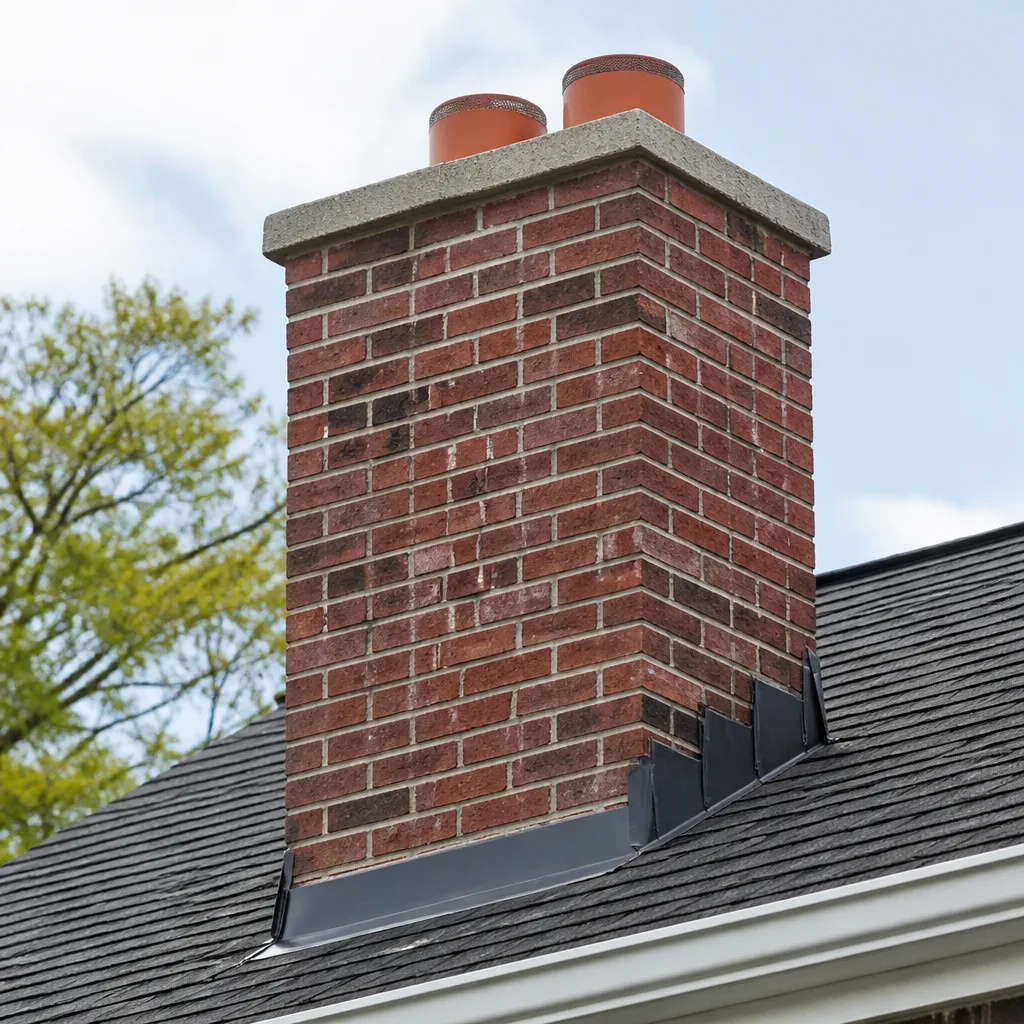 Masonry repair
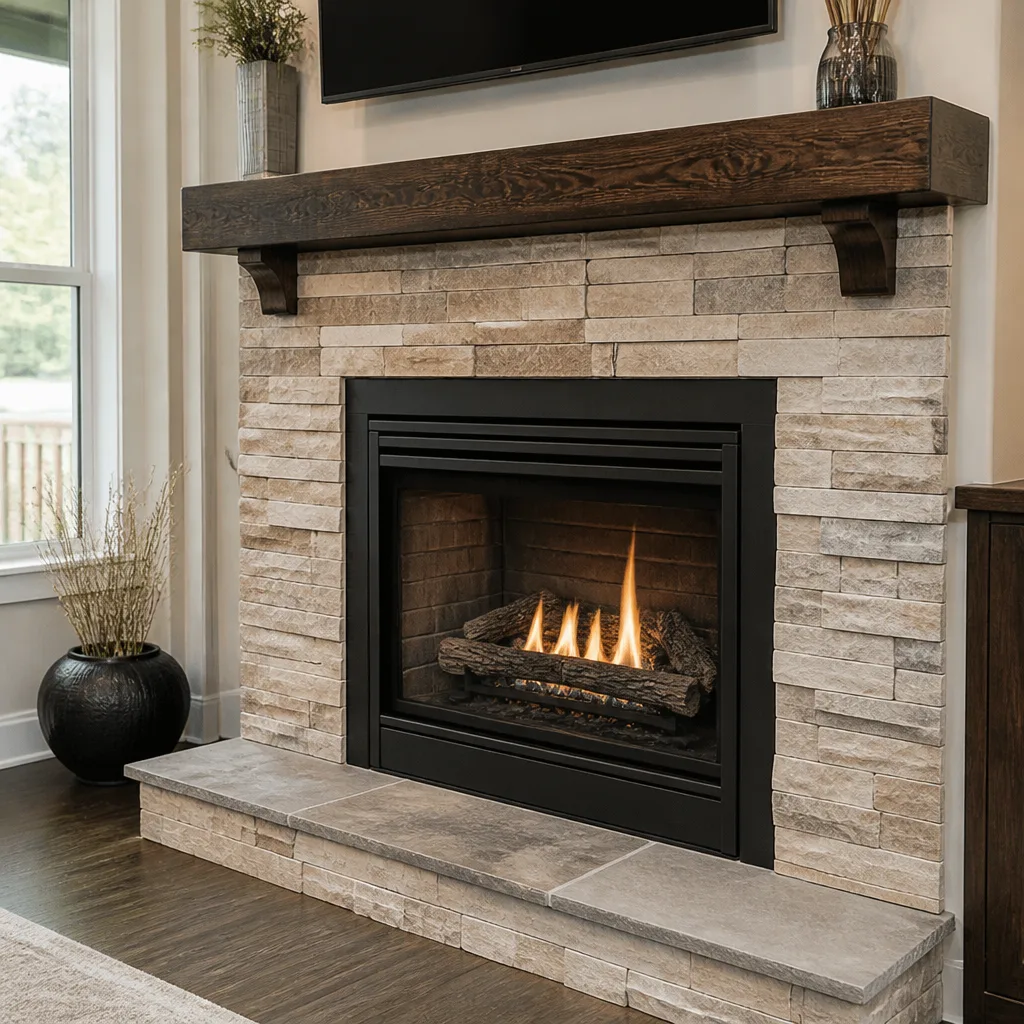 Gas fireplace service
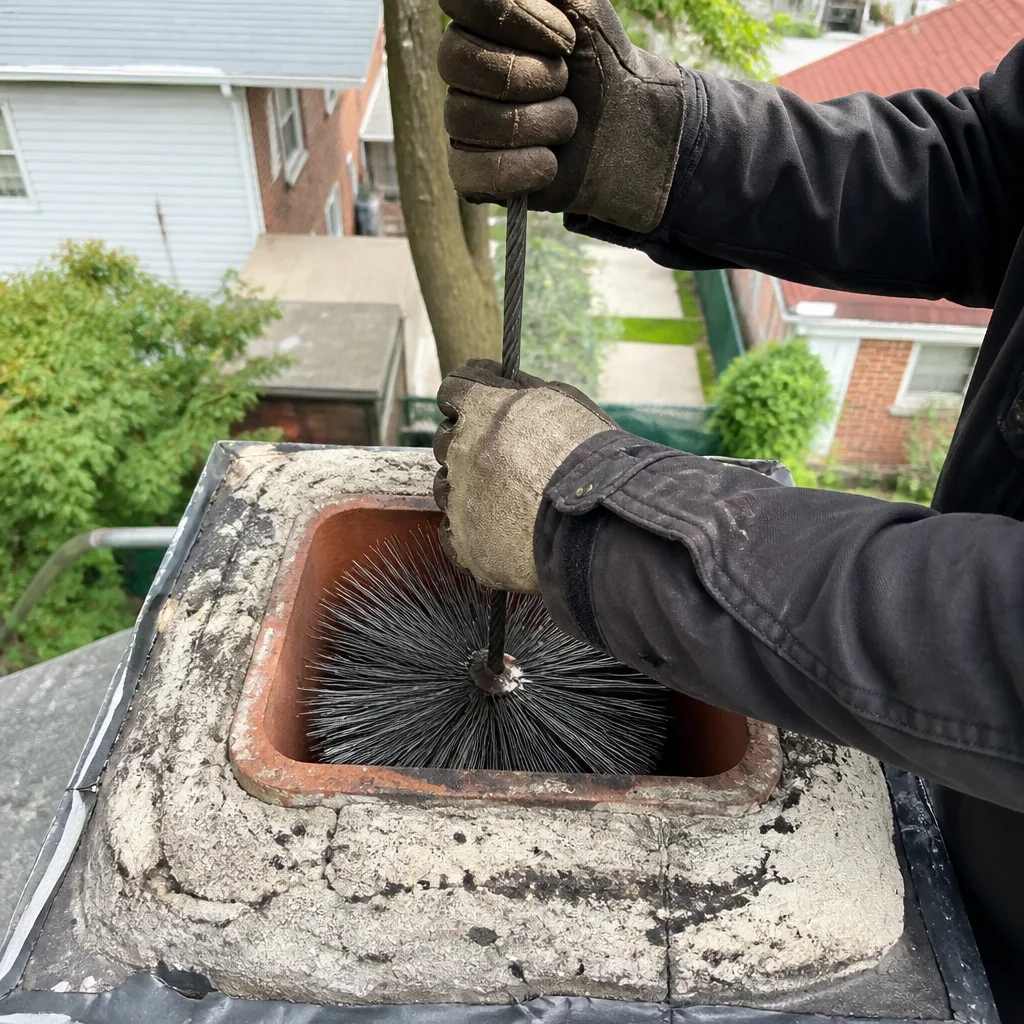
Level 1 sweep and inspection to the NFPA 211 annual standard - flue, crown, cap, and flashing checked and photographed
Chimney sweep logs do not sweep chimneys. They loosen some creosote - which then falls where a brush and vacuum still have to collect it.
Seasonal Chimney Cleaning Care for Bay Ridge: Year-Round Homeowner’s Guide
Most homeowners treat a chimney sweep the way they treat a dental appointment: one visit a year, wedged into whatever month has an opening. That approach wastes the best maintenance window on the calendar. Chimney care in Bay Ridge isn’t a single annual event. It’s a rotating set of distinct seasonal vulnerabilities, and the homeowners who treat it as annual are the ones who discover a cracked crown in October, three weeks before they want their first fire. What you’ll learn here is how the heating season, the wet months, and the humid stretches each put different stress on a chimney, and how to stagger inspection, cleaning, and repair so one visit isn’t trying to do five jobs.
Styles & brands we work with
- Sweep & inspection
- Caps & crowns
- Flue relining
- Masonry repair
- Gas fireplace service
Quick Answer
Seasonal chimney care in Bay Ridge works best as a rotation: a post-season inspection and sweep in spring while deposits are fresh and visible, masonry and flashing checks in summer before humid weather works into open joints, a pre-season safety check in fall for each fuel type, and simple between-fire monitoring in winter. Splitting the work across two appointments a year catches problems in the season they form, instead of the season they surface.
Table of Contents
- Why Spring Is the Most Diagnostic Season for Your Chimney
- Summer Masonry Care Before Humid Weather Gets In
- The Fall Pre-Season Checklist for Bay Ridge Homes
- What to Watch for Between Winter Fires
- How to Stagger Your Chimney Services Across the Year
- Gas, Oil, and Wood: Different Systems, Different Rhythms
- Common Mistakes to Avoid
- When to Call a Professional
- Frequently Asked Questions
Why Spring Is the Most Diagnostic Season for Your Chimney
The weeks after your last fire of the heating season are the best diagnostic window of the year. Combustion byproducts haven’t had months to settle, harden, or get rained on. What the flue looks like in April is an honest picture of how the whole system performed all winter. That’s why a post-season inspection tells you more than a pre-season one. A fall check catches a problem late; a spring check catches it while it’s still small.
Spring also catches the non-fire problems. A flue that sat unused through the cold months is a warm, dry, sheltered space, which is exactly what animals and nesting birds look for. By the time the first warm weeks arrive, a cap that’s missing, bent, or rusted through may already have a tenant. We’ve pulled more than one spring flue free of nesting material that would have blocked draft on the first cold night of October. Some of those systems had a cap that looked fine from the sidewalk. That’s why we specify a stainless cap installed with Olympia Chimney or Gelco components rather than a cheap galvanized model that rusts out in a few seasons.
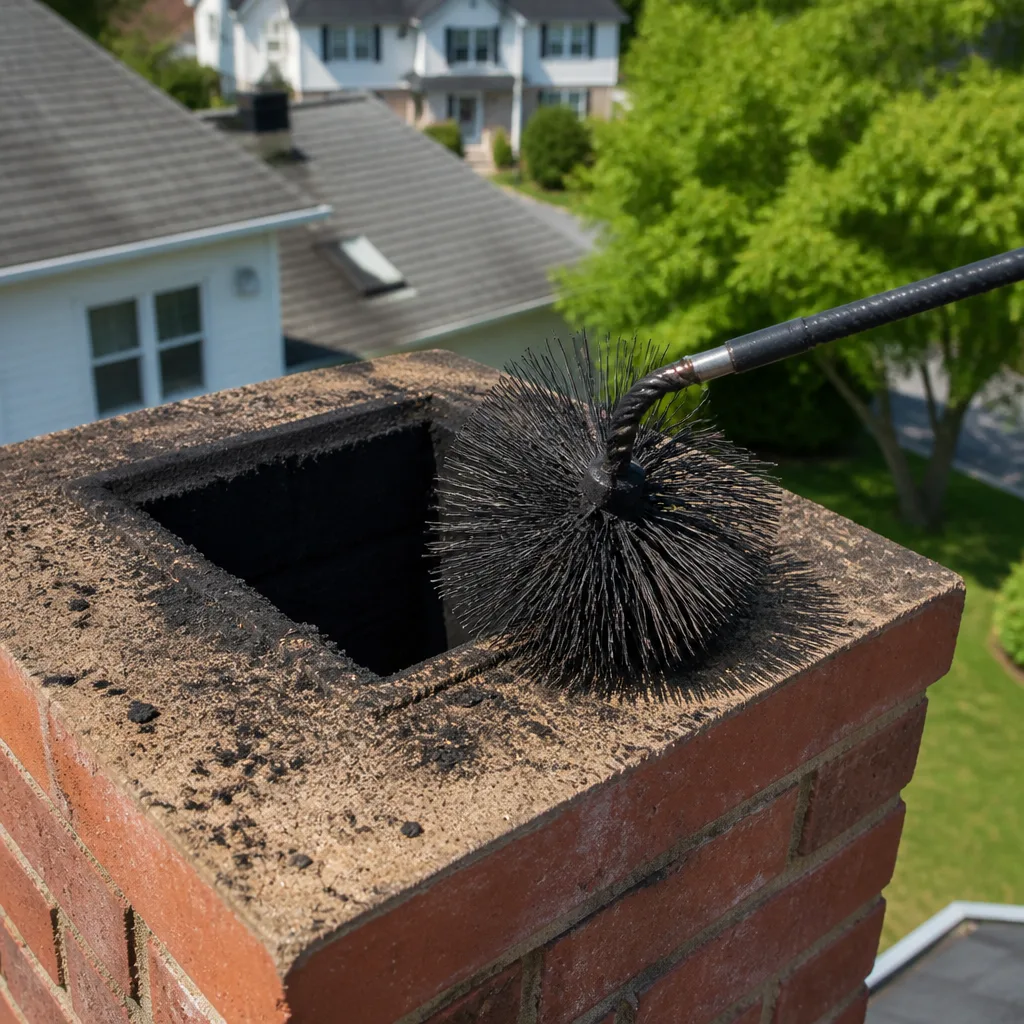
A post-season sweep does two things at once. It removes soot and creosote before humidity in the summer air can turn creosote deposits sticky and harder to clear. It also gives the technician a clean flue to inspect for cracks, gaps in the liner, and failed mortar joints. Creosote is the fuel for a chimney fire, so removing it early in the year means the flue spends the wet months clean rather than loaded.
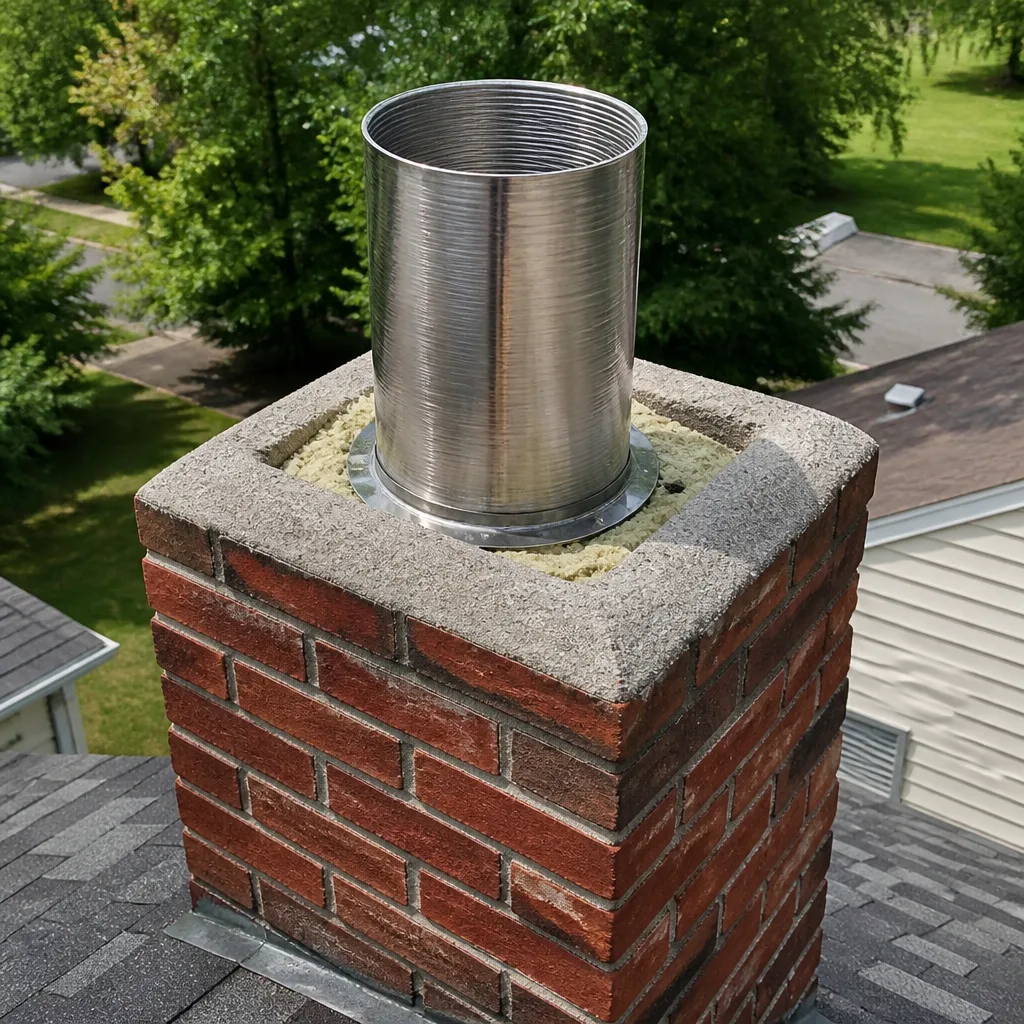
If your system has an offset, a bend, or a flue that jogs around a structural element, a spring inspection is the right time to plan for a DuraFlex flexible liner. Flexible liners are made to follow the flue’s actual path; rigid liners often can’t make those turns. Planning the work in spring gives you time to compare options without a deadline pressing against you.
Summer Masonry Care Before Humid Weather Gets In
Summer is when masonry damage quietly starts. The chimney above the roof line takes the full brunt of rain, and every summer storm that hits Bay Ridge finds the same weak points: a failed crown, a cracked cap, or open mortar joints. Water that gets in through a bad crown sits against the brick and mortar, freezes in the winter, and pushes the joints further apart. What looks like a cosmetic issue in July becomes a structural one by January.
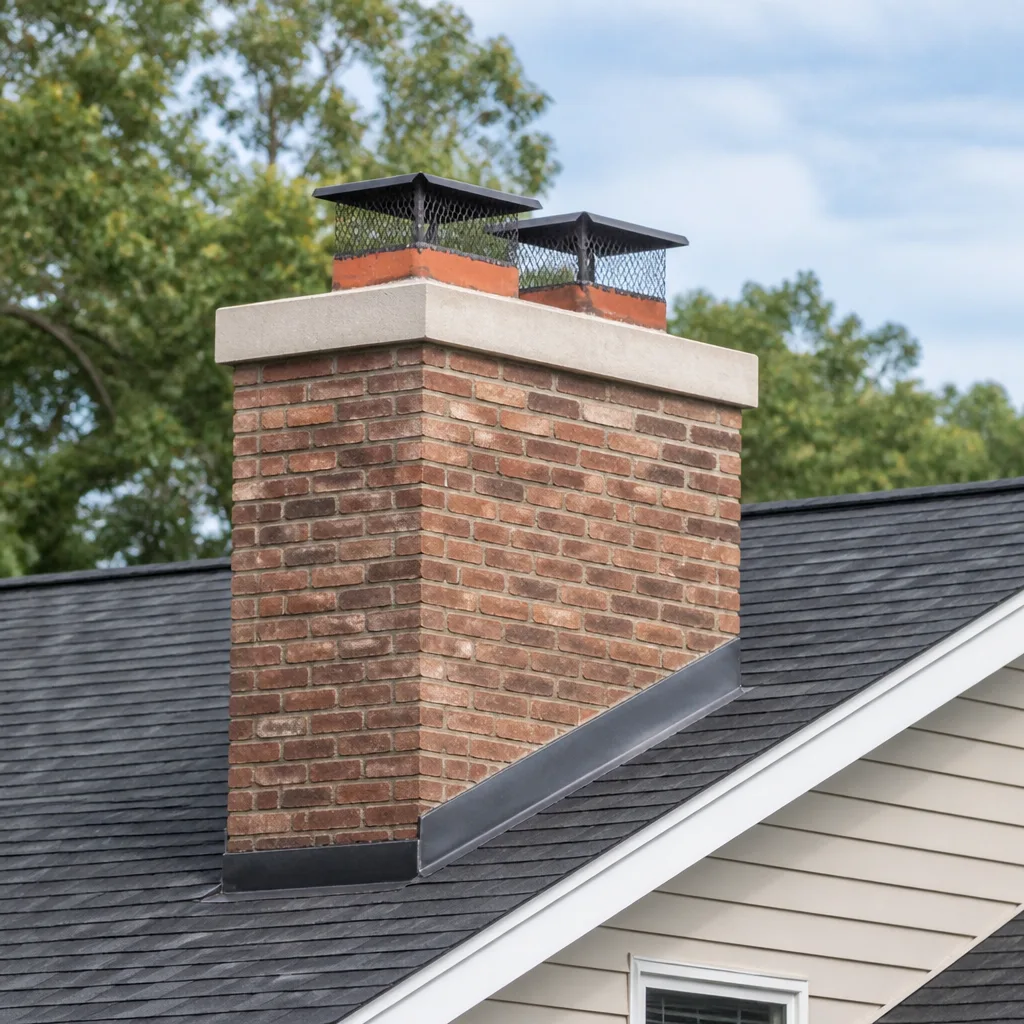
The two most common water-entry points on a residential chimney are the crown and the cap. The crown is the concrete or mortar surface at the very top that sheds water away from the flue; when it cracks, water runs straight down into the masonry. The cap is the cover over the flue opening itself, which blocks rain, animals, and debris. A cap that’s missing or damaged doesn’t just let water in; it lets everything else in too.
Summer is also the season to look at mortar joints, flashing where the chimney meets the roof, and the brick face itself. We use the HeatShield ceramic resurfacing system for flue liner restoration when the liner has cracks or spalling but doesn’t yet need a full replacement. It’s a repair option that restores the liner’s smooth, protected surface and extends its life; many general contractors don’t carry it. If the liner is beyond what resurfacing can fix, a full replacement with a DuraFlex or Olympia Chimney liner system is the next step.
The summer habit that pays off: get the masonry checked while the weather is dry and the schedule is open. This is also the season when a company that works with professional chimney materials can take the time to spec the right brick, mortar mix, or crown material for what your chimney actually needs.
The Fall Pre-Season Checklist for Bay Ridge Homes
Fall is the season of deadlines. Everyone wants their chimney ready for the first cold night, and the backlog builds quickly. Getting the pre-season check done before the first cold snap means you’re not competing with every other homeowner for a slot on the schedule. Here’s the checklist we run on a typical Bay Ridge home before heating season:
- Inspect the flue interior for creosote buildup, blockages, and any cracks that appeared since spring. Camera inspection gives you a photo report you can look at yourself.
- Check the cap and crown for damage, missing screens, animal entry, and water staining on the masonry below.
- Confirm the damper opens and closes freely. A stuck damper is one of the most common reasons smoke backs into a room on the first fire.
- Test the smoke and carbon monoxide detectors in the rooms near the fireplace. A wood-burning or oil-fired system should have working CO detection nearby.
- Check that the firebox, grate, and fireplace surround are intact and free of cracks or loose mortar.
- Sweep the flue if the spring sweep didn’t happen, so the first fire of the season starts on a clean surface.
- Look at the exterior from the ground for loose bricks, spalling, or missing mortar at the roofline.
Bay Ridge has a real mix of heating systems: gas inserts, oil-fired boilers vented through a chimney, and traditional wood-burning fireplaces. Each one wears differently, and the fall check needs to account for which one you have. The gas insert that runs all winter has different draft behavior than a wood fireplace used a few times a week. If your home uses oil, the flue also carries combustion gases from the boiler and needs its own inspection rhythm.
What to Watch for Between Winter Fires
Most winter problems show up as small signals first, before they become big ones. The homeowners who catch them early are the ones who pay attention to how the system behaves between uses, not just whether the fire lights. Bring a trained technician in for an in-season check if you notice any of the following:
- Draft that gets weaker over the season. A flue that drafted well in November but struggles in February is telling you something changed: a partial blockage, a soot layer thick enough to restrict the flue, or a damper that’s not opening fully.
- A new or stronger smell. A smoky odor that lingers into the room after the fire is out, or a smell you didn’t notice earlier in the season, can mean creosote is building up or that the flue’s pressure balance has shifted.
- Smoke spilling into the room when you open the door or during a cold start. This is a draft-signal issue, not a “warm it up longer” issue. Stop using the fireplace and have it inspected.
- Visible creosote or soot on the firebox or chimney top. A sooty film or dark staining that’s new since fall is worth a look.
- Animal sounds or scratching from inside the chimney. This is what happens when a cap is missing and an animal gets in. Block the flue opening at the bottom so nothing comes into the room, then get the chimney looked at before you light another fire.
- Water stains or efflorescence on the exterior chimney after a winter storm. That’s water getting in where it shouldn’t, and it needs to be addressed before the next freeze.
One thing to keep in mind through the whole winter: a wood-burning fireplace should never be treated as a place to burn trash, wrapping paper, or treated wood. Some of these materials produce more creosote than seasoned firewood. The general rule we give homeowners is to burn dry, seasoned wood and keep the flue clear.
How to Stagger Your Chimney Services Across the Year
The reason a single annual visit falls short is that it’s being asked to do everything at once: sweep, inspect, check the cap, look at the crown, evaluate the liner. When that visit happens in early October because the first fire is coming, it triggers a cascade of findings the homeowner has no time to plan for. The fix is to split the work across two appointments that don’t compete for the same window.
Here’s the schedule we recommend for most Bay Ridge homes:
- Spring appointment (April to June): Post-season inspection and sweep. This is the diagnostic visit. The flue is cleaned, and any cracks, liner issues, or cap damage get identified and quoted with time to plan. Any needed repairs (crown work with Famco or Copperfield materials, cap replacement with Olympia Chimney or Gelco, liner resurfacing with HeatShield) can be scheduled for summer when the weather is right.
- Summer window (June to August): Masonry, crown, and cap repair. Repairs done in dry weather cure properly and don’t sit under a tarp. If a full liner replacement is needed, a flexible liner like DuraFlex is installed here while the schedule is open.
- Fall appointment (September to October): Pre-season safety check and any last-minute cleaning. This is the confirmation visit, not the discovery visit. Its job is to verify the system is ready, check the dampers and detectors, and make sure nothing changed since spring.
- Winter (November to March): Between-fire monitoring by the homeowner. This is where small signals get caught before they become urgent calls.
Two appointments instead of one. That’s the whole change. The spring visit does the diagnostic work, the summer window handles repairs, and the fall visit confirms. It’s a rhythm that keeps cost in check because problems are caught small, and it keeps the homeowner from discovering a cracked crown the week before the first fire. If your system is simple and in good shape, the spring sweep and fall check can sometimes be combined, but the seasonal logic stays the same.
Gas, Oil, and Wood: Different Systems, Different Rhythms
Bay Ridge homes run on more than one fuel type, and each one puts a different load on the chimney. A wood-burning fireplace produces creosote and needs a sweep on a schedule based on how much wood you burn. A gas insert produces very little creosote but can produce moisture and mild corrosion in the flue, and its draft behavior is different. An oil-fired system vented through a chimney runs most of the winter and can leave sulfur-based deposits that affect both the liner and the masonry.
The reason this matters for a seasonal plan: the question “how often should I sweep?” has a different answer for each kind of system. A wood fireplace used a few times a month needs a sweep less often than one used several times a week; the industry rule of thumb is that a wood-burning system should be swept when creosote reaches about an eighth of an inch on the flue surface, which is why an annual inspection matters even in years you don’t sweep. A gas system may not need a sweep at all some years, but does need a competent inspection to check the liner and draft.
The same logic applies to repairs. A gas appliance’s flue liner has to handle different temperatures and condensation than a wood-burning system’s, and the right material for the job depends on which one you’re dealing with. That’s where specifying the right brand for the actual job matters: a HeatShield-lined flue for one system may not be the right repair for another. The point is to have a chimney-only specialist on the job who works with professional materials, not a generalist who carries “chimney stuff” as a side line.
Whatever system you have, the inspection is the honest starting point. It’s where a professional can tell you what’s actually happening in the flue, with a camera inspection and a photo report you can look at yourself. Nothing gets recommended that isn’t backed by evidence, and if the inspection says the system can safely wait until next year, you’ll be told that too.
Common Mistakes to Avoid
- Treating chimney care as a single annual visit. A once-a-year appointment has to handle cleaning, inspection, cap, crown, and liner all in one shot. Splitting the work into a spring diagnostic and a fall confirmation catches problems in the season they form, not in the season they surface.
- Skipping the post-season inspection because “the heating season is over.” April is when the flue is at its most honest: the deposits are fresh, the animal intrusion is right at the cap, and any cracks that formed during the heating season haven’t been covered up by months of settling. Missing that window means waiting a full year for the same diagnosis.
- Ignoring a cap that “looks fine from the ground.” A cap can look intact from the sidewalk and still be rusted through where it attaches. If the cap is over a decade old, have it checked from the roof before the fall, because water getting in through a failed cap is one of the most common causes of masonry damage we see in Bay Ridge homes.
- Putting off masonry work until fall. Crown and mortar repairs done in October have the whole winter ahead of them to soak up rain and freeze. The same repair in July has time to cure in dry weather. If the inspection in spring finds a cracked crown, schedule it for summer.
- Burning unseasoned wood or trash to “get more heat.” Wet wood and treated wood both produce more creosote than dry, seasoned firewood, and creosote is the fuel for a chimney fire. It’s not a safety code issue; it’s a maintenance-cost issue that shows up as a harder, more frequent sweep.
- Using the wrong material on the wrong flue. A flexible liner is the right repair for an offset or bent flue; a rigid liner may not fit at all. A ceramic resurfacing system like HeatShield restores a cracked liner without full replacement; it can’t fix a liner that’s already collapsed. Specifying the wrong material wastes money and can miss the actual problem.
- Waiting for a strong smoke smell before doing anything. Smoke spilling into the room is a late signal, not an early one. By then, the flue has been underperforming for a while. Treat draft problems as early warnings and get the chimney inspected before the fire that “works fine” stops working fine.
When to Call a Professional
Some chimney work is homeowner monitoring; some of it needs a trained technician. Call us when you see smoke spilling into the room, when you hear an animal in the flue, when the crown or cap is visibly damaged, or when the draft behavior changes partway through the heating season. Call us if you’ve just moved into a Bay Ridge home and don’t know when the chimney was last inspected. Call us if you’re planning a full liner replacement and want to know whether a flexible liner (DuraFlex) or a ceramic resurfacing (HeatShield) is the right repair. Call us if the fireplace has never been serviced since you moved in.
Also call if masonry repairs are on your radar and you want them done before the wet season. And call if you’re not sure: the inspection is a camera inspection with a photo report included, so you can see for yourself what the flue looks like. Nothing gets recommended that isn’t backed by what the camera found, and we’ll tell you plainly when work can safely wait.
Chimney Sweep Bay Ridge offers free estimates in Bay Ridge – call (855) 551-0049. We answer 24/7. Fast dispatch from 7am to 7pm, Sunday through Friday.
Frequently Asked Questions
A wood-burning chimney should be swept when creosote reaches about an eighth of an inch on the flue surface, which for most Bay Ridge homeowners works out to at least one inspection a year, with the sweep done as needed based on how often the fireplace is used. Gas and oil venting systems also need a yearly inspection even when a sweep isn’t required. The inspection is the honest starting point; it tells you what the flue actually needs. Call (855) 551-0049 for an exact quote – estimates are free.
Spring is more diagnostic because the combustion deposits are fresh and haven’t had months to settle or get rained on, and because animal intrusion from the cold months is visible right at the cap. A fall inspection still matters, but its job is different: it’s the confirmation visit, not the discovery visit. Doing both catches problems in the season they form.
Pricing depends on the system, the amount of buildup, and whether repairs are needed, so the written estimate sets the final price per job. We give a free estimate before any work starts. Call (855) 551-0049 for an exact quote – estimates are free.
It depends on what the camera shows. A cracked or spalling liner can often be restored with the HeatShield ceramic resurfacing system, which extends the liner’s life without a full replacement. A liner that’s collapsed or has large breaks needs full replacement, and a flue with bends or offsets may need a flexible liner like DuraFlex because a rigid liner won’t make the turn. We won’t recommend a liner you don’t need; the photo report from the camera inspection lets you see for yourself.
Have both checked from the roof, not from the ground. The crown and the cap are the two most common points of water intrusion, and a cap that looks fine from below may be rusted through where it attaches. Cape work done in summer cures in dry weather; the same repair done in fall sits under a tarp. Call (855) 551-0049 for an exact quote – estimates are free.
Creosote builds up and raises the fire risk, the cap and crown wear without anyone noticing, and small cracks in the mortar or liner get bigger. In our experience, the skipped-year homeowner usually finds out in October, when the first fire of the season backs up or a cold snap shows a draft problem that was building all summer. Catching the same issue in spring usually costs less than fixing it at the start of the heating season.
The Bottom Line
Chimney care that works on a calendar solves the problem the once-a-year visit can’t. Spring is the diagnostic season, when the flue is at its most honest. Summer is for masonry, crown, and cap work while the weather is dry. Fall is the confirmation that the system is ready, and winter is for watching the small signals between fires. Two appointments instead of one, with the right brand of material specified for the actual job: that’s the rhythm. Whether you’re planning a spring sweep, a summer liner repair, or a fall safety check, Chimney Sweep Bay Ridge can be your starting point for the inspection, and the same company can handle the chimney sweep, chimney cap & crown work, and chimney repair that follows. Our technicians have up to 11 years of experience.
Ready to get on a seasonal rhythm? Call (855) 551-0049 for a free estimate in Bay Ridge. We answer 24/7. Fast dispatch from 7am to 7pm, Sunday through Friday.
Written by the team at Chimney Sweep Bay Ridge.
See the difference
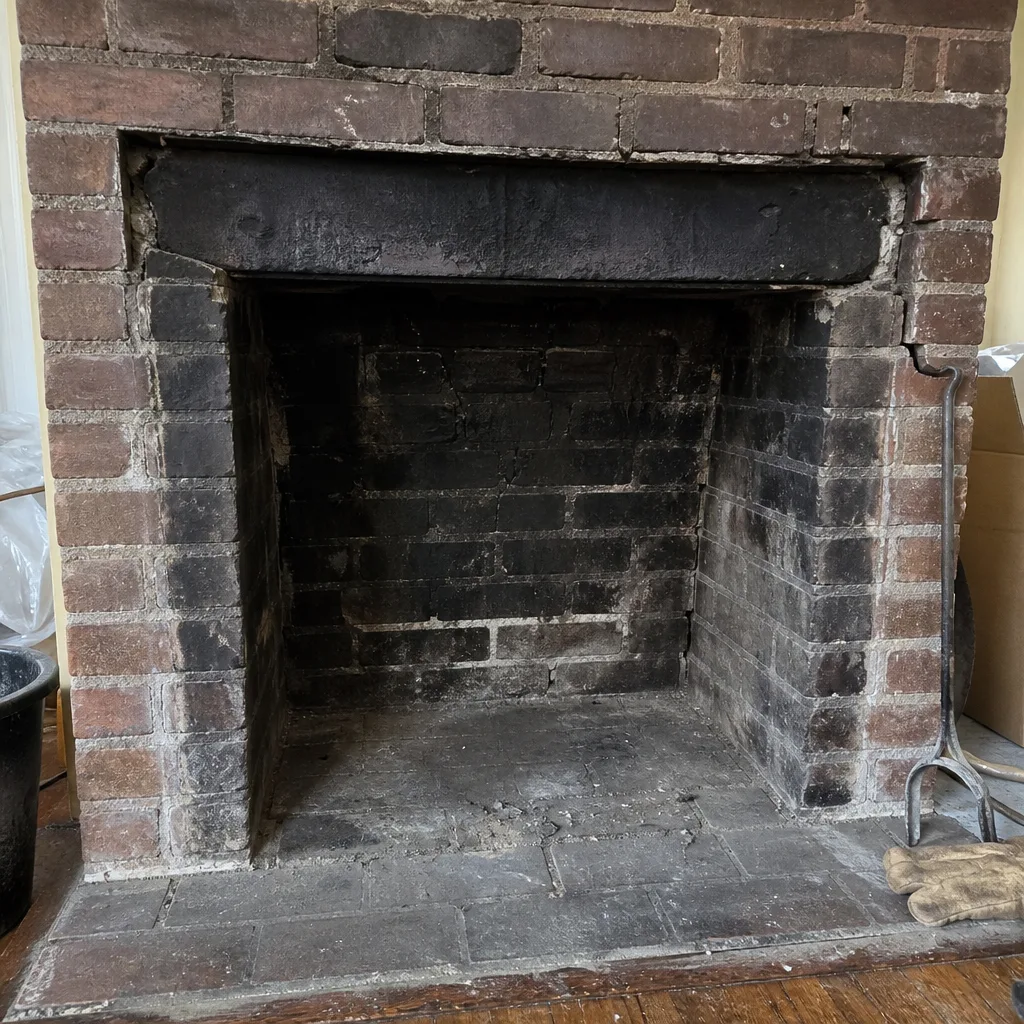 Before
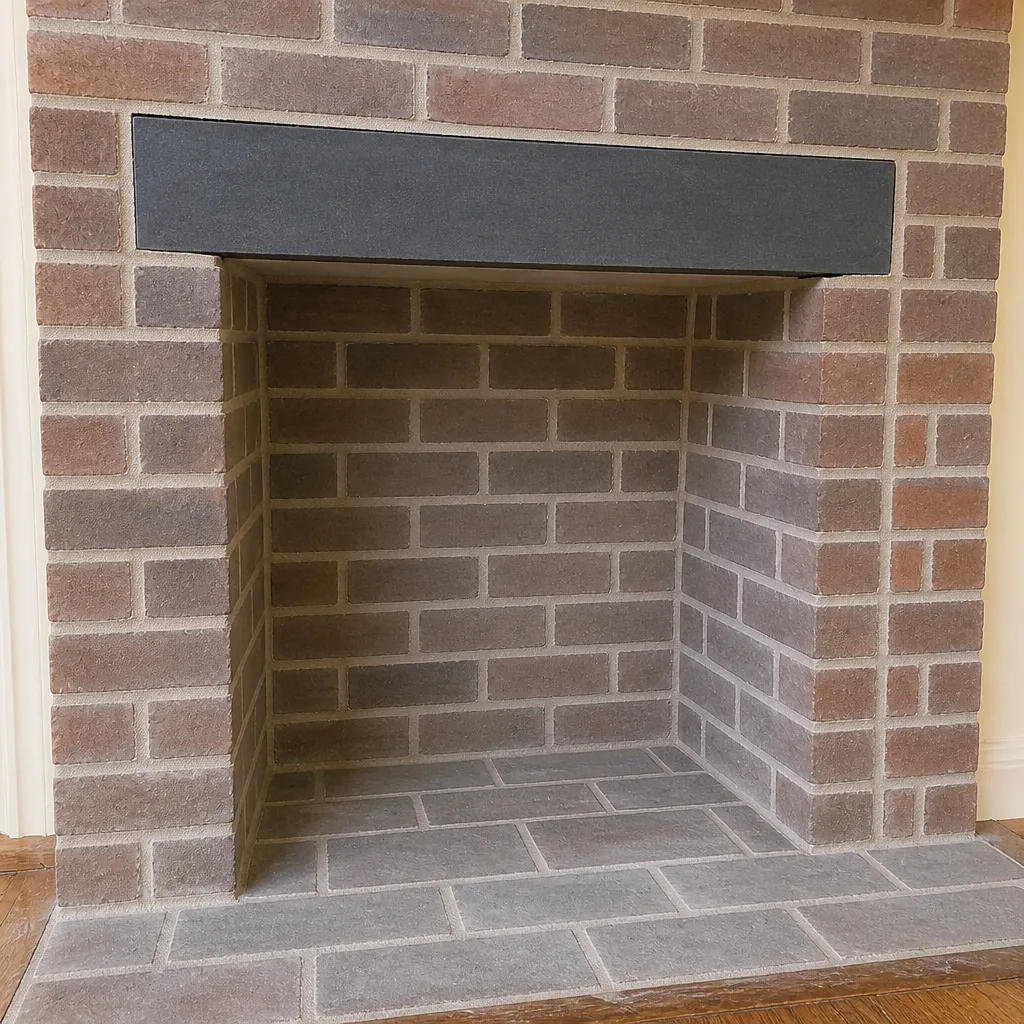 After
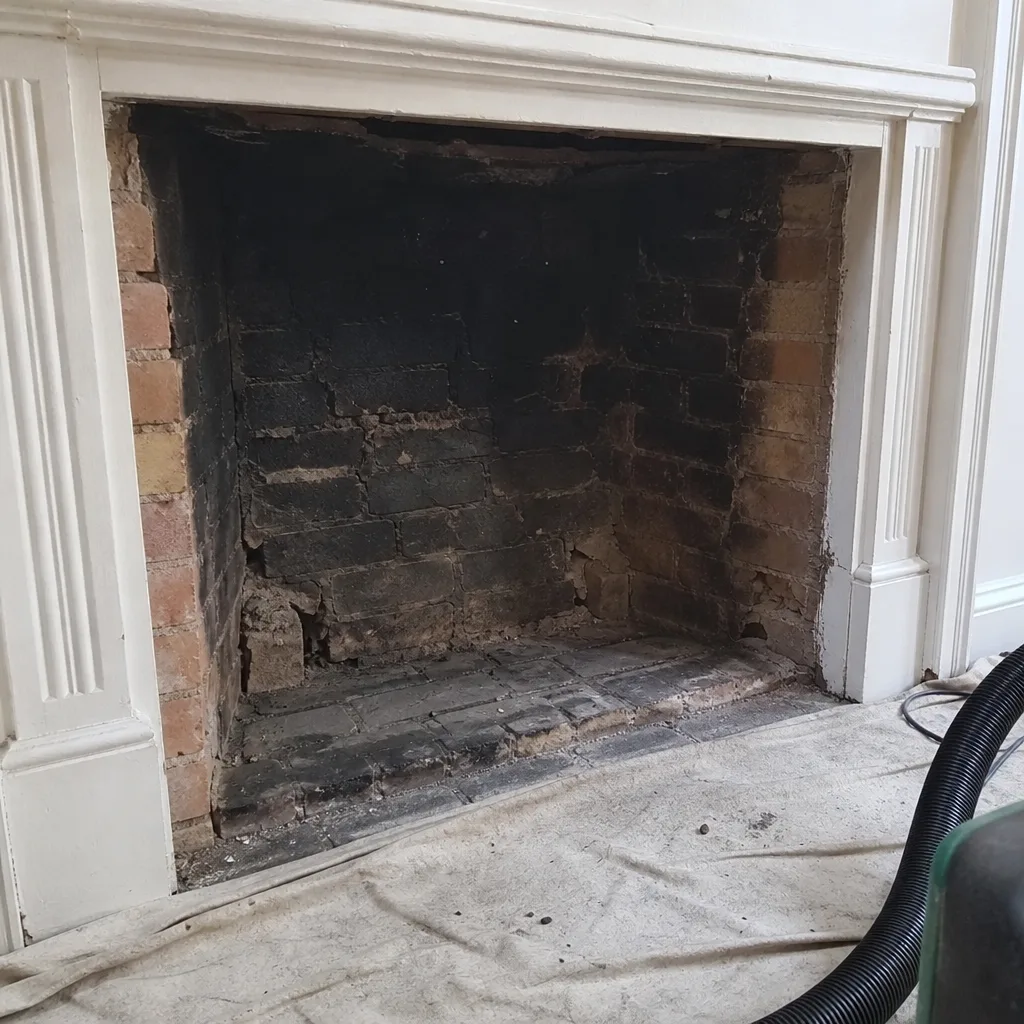 Before
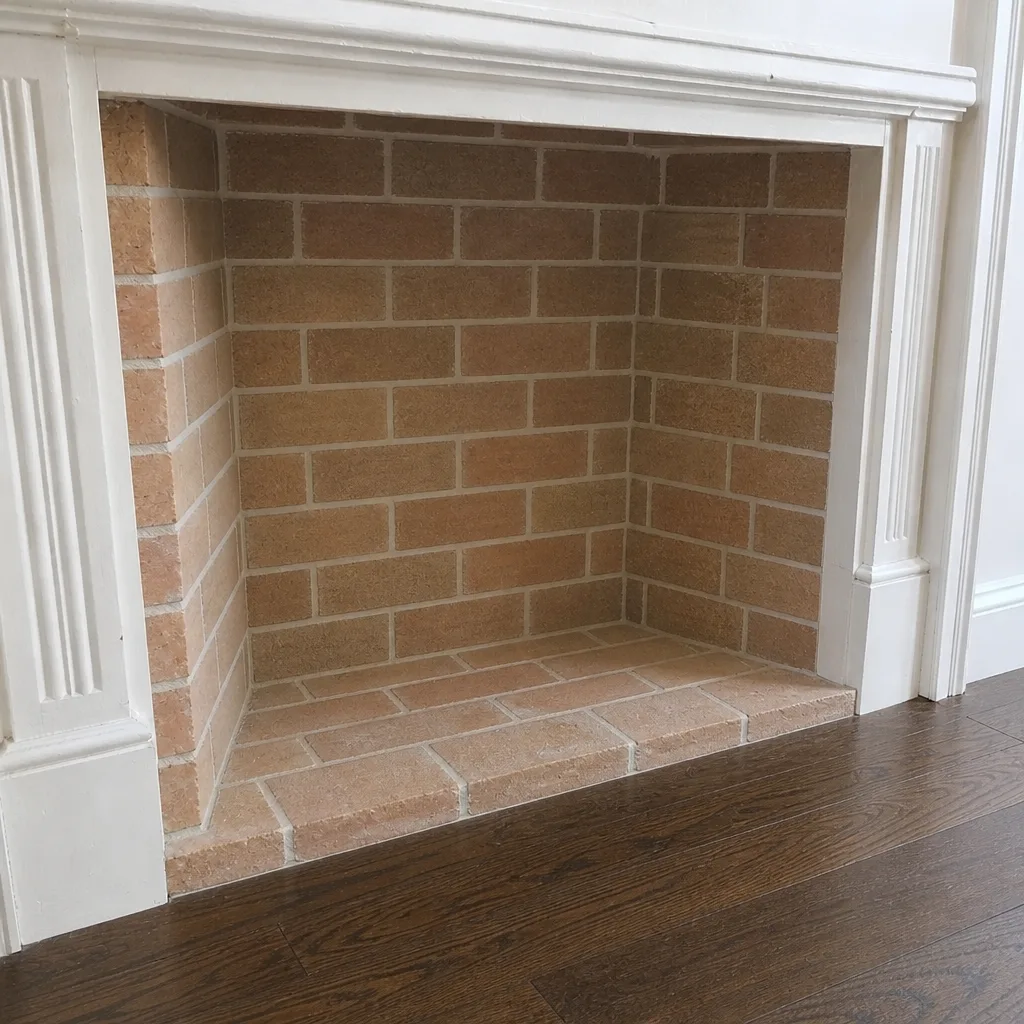 After
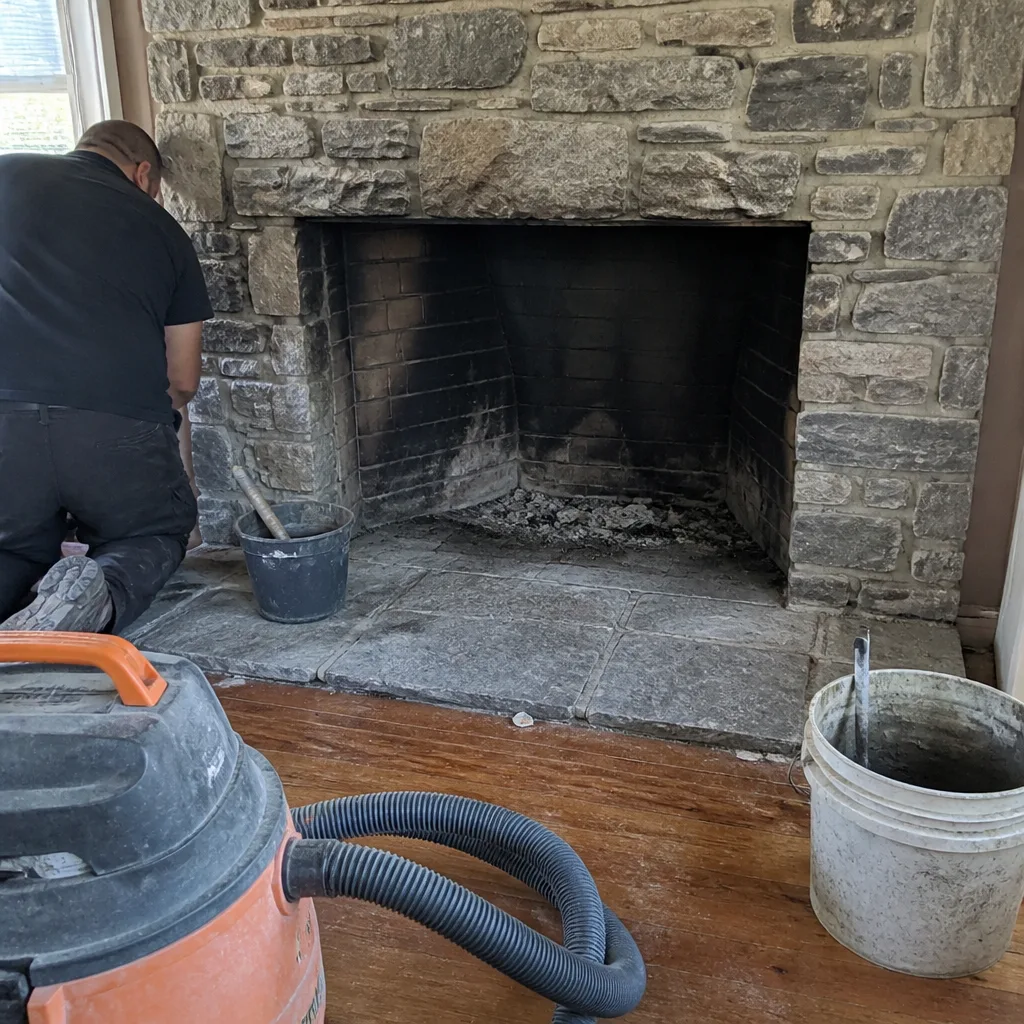 Before
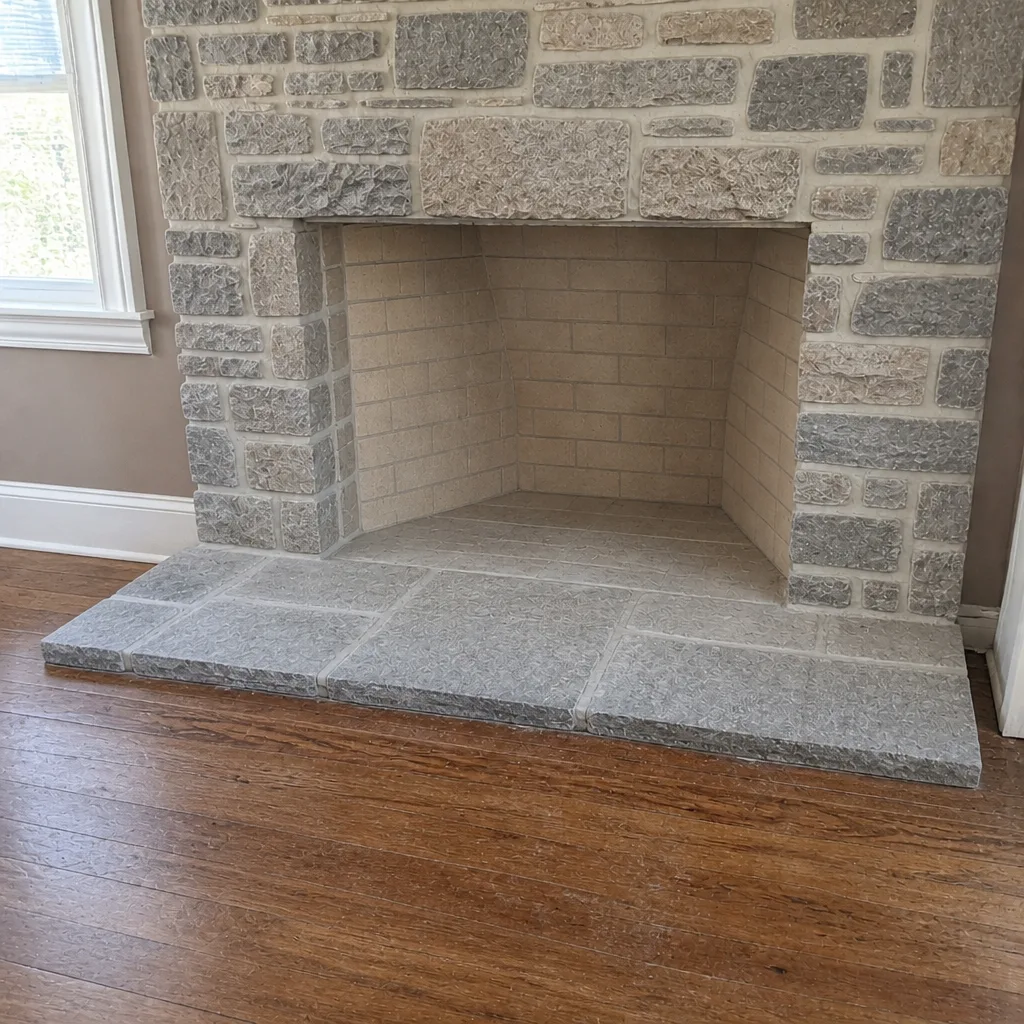 After