
Last updated November 22, 2026
 Sweep & inspection
 Caps & crowns
 Flue relining
 Masonry repair
 Gas fireplace service
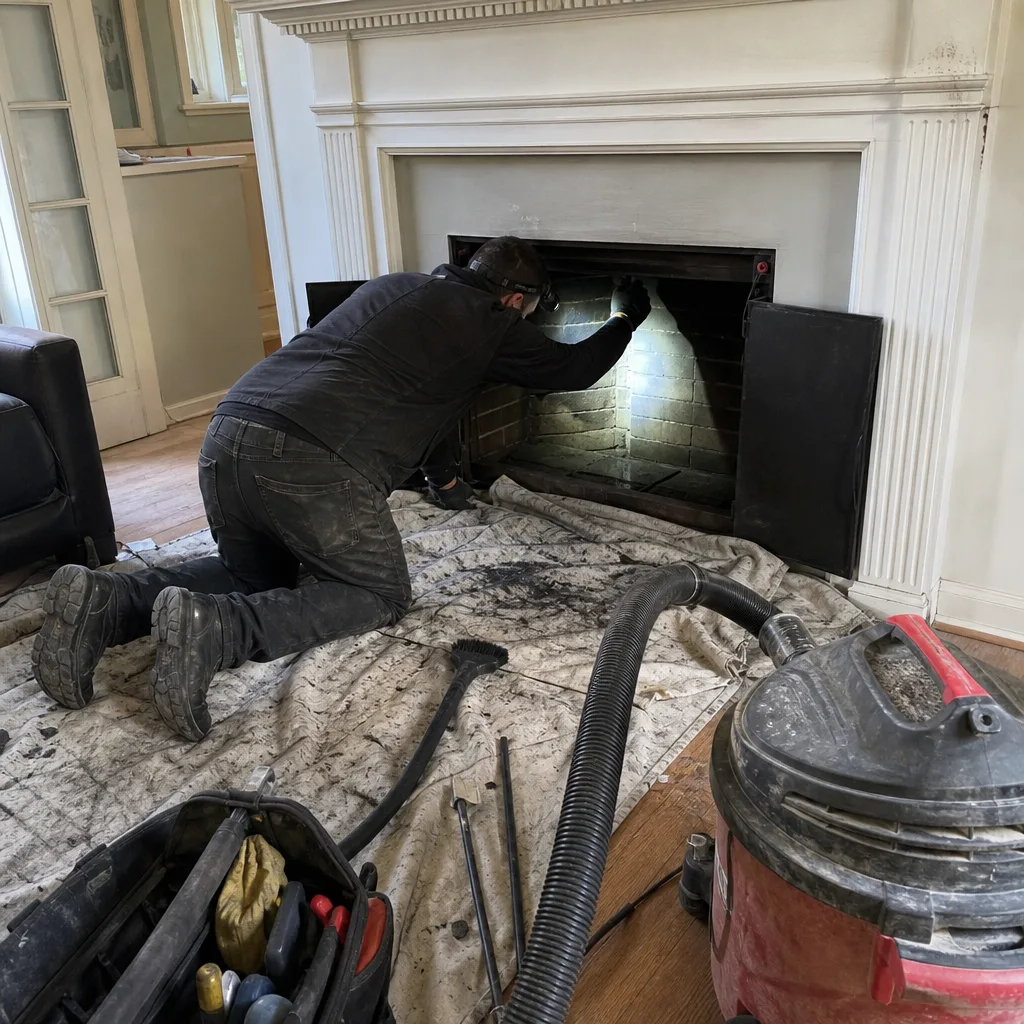
Level 1 sweep and inspection to the NFPA 211 annual standard - flue, crown, cap, and flashing checked and photographed
Chimney sweep logs do not sweep chimneys. They loosen some creosote - which then falls where a brush and vacuum still have to collect it.
Chimney Cleaning Emergency Preparedness Guide for Bay Ridge Homes
Most chimney emergencies aren’t really emergencies. They’re decisions that were postponed. The homeowner who calls us mid-season with a fire in the flue, a liner that failed, or a cap that blew loose in a gust off the harbor usually had a warning weeks earlier and skipped it. We understand why. A chimney is out of sight, it worked last year, and nothing about a quiet living room in October tells you the flue on the roof is already loaded with creosote. But emergency readiness isn’t a fire extinguisher in the closet. It’s three decisions made before the season starts, plus a plan for what happens if something does fail when the weather is against you. This guide walks you through both, from identifying an active fire to winterizing a compromised system when a repair can’t be done at once. It’s written for Bay Ridge homes that burn wood or gas, and it cuts the guesswork.
Quick Answer
Chimney fire emergencies in Bay Ridge are prevented by three pre-season decisions: verifying the liner with a camera, inspecting the cap and crown for water intrusion, and assessing the creosote stage in the flue so it’s swept before it ignites. If a fire does happen, the response sequence is: stop using the fireplace, get everyone out, call 911, and don’t re-light until a professional has inspected the system on camera. The rest of this guide covers each of those in plain terms.
Styles & brands we work with
- Sweep & inspection
- Caps & crowns
- Flue relining
- Masonry repair
- Gas fireplace service
Table of Contents
- How Do You Identify an Active Chimney Fire?
- What Should You Do After a Suspected Chimney Fire?
- The Three Pre-Season Decisions That Eliminate Most Emergency Risk
- Understanding Creosote Stages
- Bay Ridge Emergency Contacts and Response Protocols
- How to Winterize a Compromised Chimney Mid-Season
- Emergency Repair vs. Temporary Sealing
- What a Post-Fire Inspection Actually Looks For
How Do You Identify an Active Chimney Fire?
A chimney fire is often louder than it is visible. In a Bay Ridge rowhouse or a detached frame home on a lot off Ridge Boulevard, the sound carries before any smoke appears in the room. Chimney fires can burn at temperatures above 2,000°F, hot enough to warp a stainless liner, crack terra cotta tile, and ignite adjacent framing. That heat is why the signs matter more than the flames: by the time you see fire in the flue, the system is already under extreme load.
Here’s what to watch for during and shortly after a burn:
- Sound: a low roar or rumbling that resembles a freight train or a jet passing. This is the most commonly reported sign of an active flue fire.
- Smoke behavior: smoke puffing back into the room, or thick smoke pouring from the chimney top that doesn’t dissipate in normal draught.
- Temperature spikes: the stovepipe or chimney breast gets unusually hot to the touch, hotter than on any prior fire.
- Exterior signs: from the sidewalk, dark smoke, sparks, or visible flames at the chimney top, or a cracked or discolored crown.
- Odor: a strong, hot, acrid smell inside the house that isn’t from the firebox.
If your home is attached to neighbors (as many Bay Ridge rowhouses and semis are), the risk multiplies: a chimney fire in one flue can spread through shared masonry. Anything that sounds like a roar inside the flue is a call to 911, not a call to the sweeper. It’s a fire, and the fire department’s job is to confirm it’s out and the structure is safe. Our job starts after they clear the building.
What Should You Do After a Suspected Chimney Fire?
After a chimney fire, don’t re-light the fireplace, don’t assume it’s fine because nothing looks damaged, and don’t clean the flue yourself. A fire hot enough to be visible at the top almost always leaves internal damage you can’t see from the ground. The correct sequence, in order, is:
- Stop all burning immediately. Close the glass doors if the fireplace has them, and keep the chimney closed off. Do not add fuel to cool down a suspected fire.
- Get everyone out, then call 911. Call from outside the house. Smoke is the immediate danger, and a chimney fire that’s breached into framing is a structure fire.
- Don’t hose down the flue or the firebox. Water on a 2,000°F masonry chimney can crack tile and cause more damage than the fire itself, and it does nothing to stop a fire in the flue.
- Note the signs you saw – the sound, the smoke behavior, the time, the temperature. Write them down or photograph what’s visible from the ground. When the fire department arrives, that information helps determine where to check for extension. If you call us afterward, that record helps us know what to expect inside the flue.
- Get a photographic record of the exterior. Photograph the chimney crown, the cap, and the top of the flue from the ground and from any dry roofline. Damage is easier to document while it’s fresh, and your insurer may ask for it.
- Do not re-light until a professional has inspected the system with a camera. A visual check of the firebox tells you almost nothing about the state of the liner above it. A camera scan is the first thing to happen before the next burn.
We get calls after suspected fires all winter from Bay Ridge homeowners, and the ones who fare best are the ones who wrote down what they saw and got a camera inspection booked. The ones who burn through the winter after a scare are the ones we worry about.
The Three Pre-Season Decisions That Eliminate Most Emergency Risk
The thesis of this guide is simple: chimney emergencies are decided in the weeks before you first light the fire. There are three decisions. Each one is inexpensive compared with the failure it prevents.
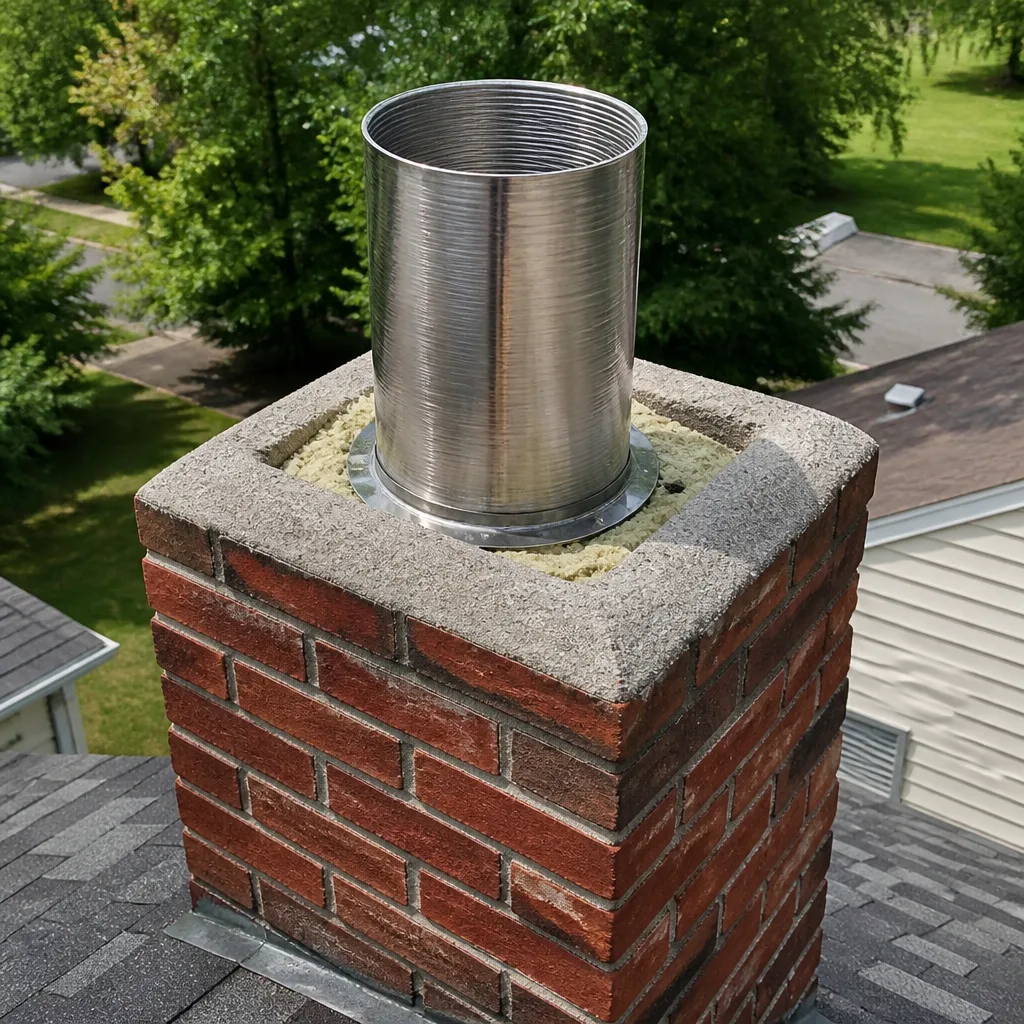
Decision one: verify the liner. A stainless liner protects the house from the heat and products of combustion. A cracked or rusted liner lets heat and smoke into framing and hidden voids. A camera scan during a sweep shows the liner condition end to end. If it’s cracked at a joint or pitted, we can often resurface it with the HeatShield ceramic system rather than relining the whole flue. If the liner has failed outright, we specify a flexible replacement: DuraFlex is our choice for chimneys with bends, offsets, or a jointed turn that rigid liner can’t handle. Most Bay Ridge homes have both, especially older masonry chimneys with a jog around a former structural line.
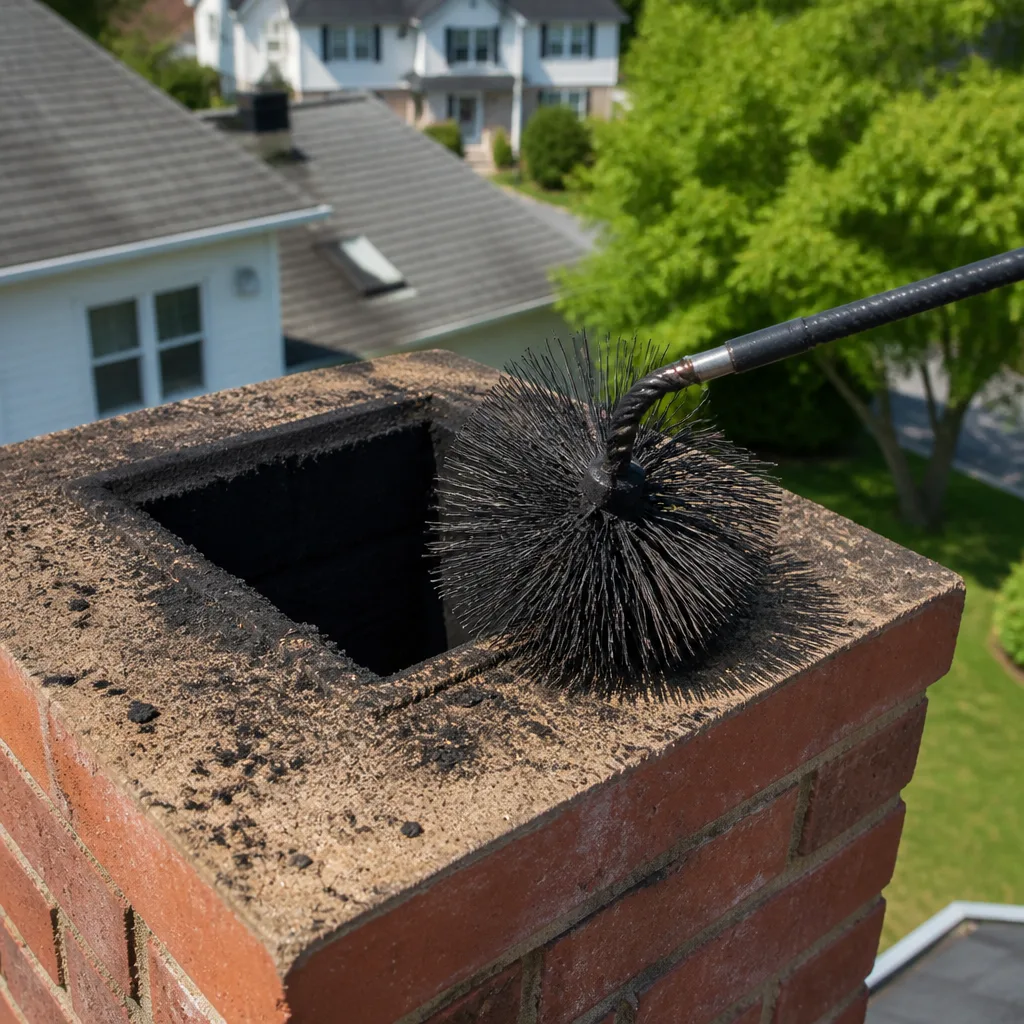
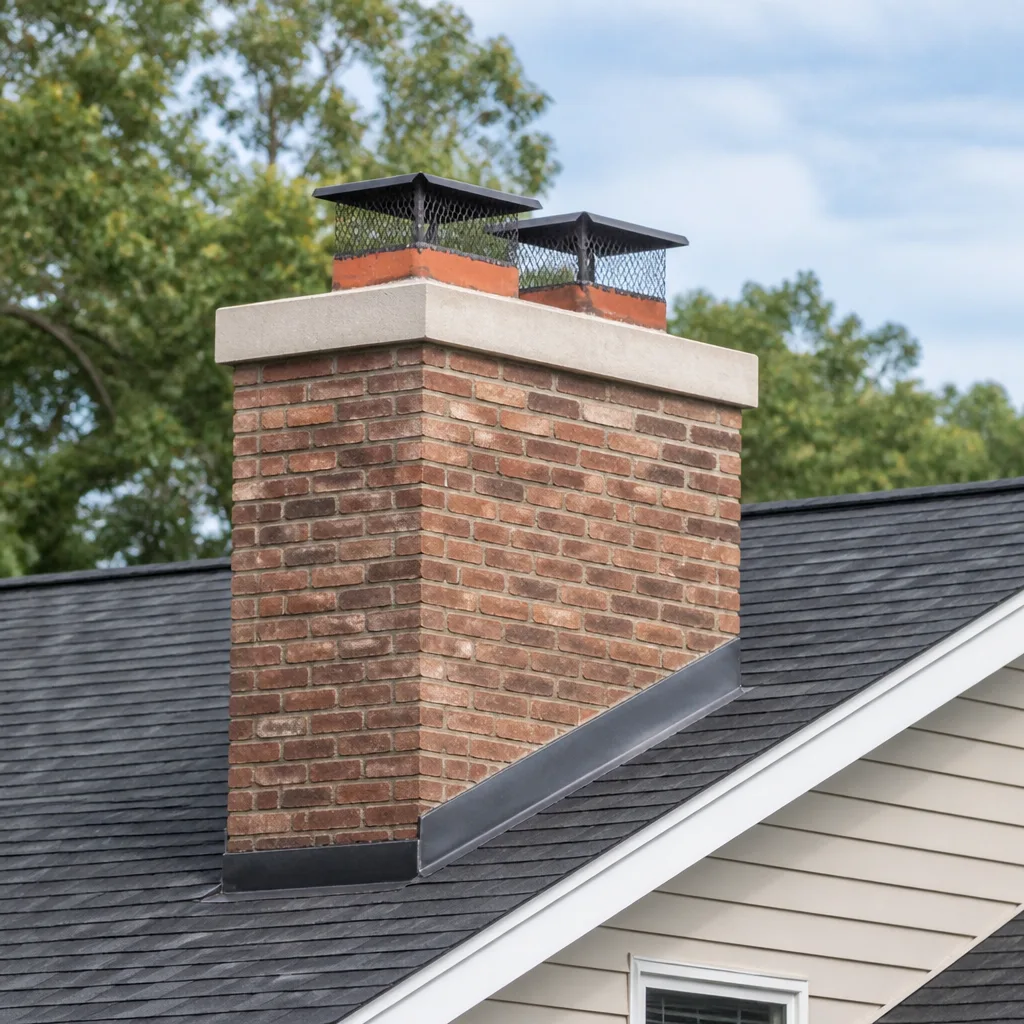
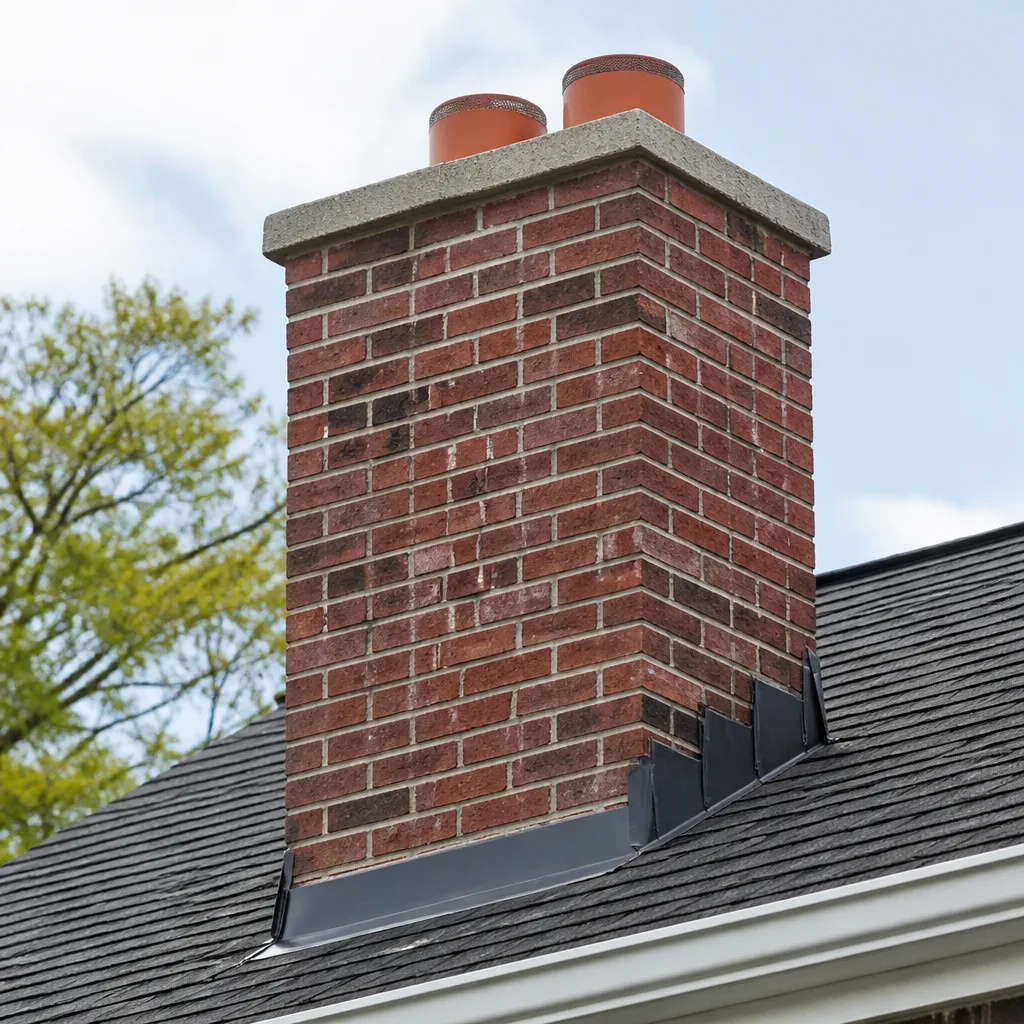
Decision two: inspect the cap and crown. These are the two most common points of water intrusion. A failed crown (the sloped mortar or concrete top) lets rain run down into the masonry and the liner, where it rusts steel and spalls terra cotta. A missing or damaged cap lets water in through the flue opening and lets birds and debris in year-round. Inspecting the cap and crown before the fall rain is the cheapest single decision that prevents the largest portion of chimney problems.
Decision three: assess the creosote stage. Creosote builds up in stages, from a light soot to a hard, glazed tar that ignites at high temperature. A sweep before the season determines which stage your flue has reached. If it’s glazed, a routine brush won’t clear it, and the right method needs to be planned before you burn again.
These three together are what a proper pre-season chimney sweep and inspection covers. Made early, they’re modest decisions. Skipped, they become the emergency call in January.
Understanding Creosote Stages
Creosote is the tar-like byproduct of burning wood, and it’s the fuel for most chimney fires. It doesn’t come in one form. It progresses through stages, and each stage behaves differently.
- Stage 1: soot and light flake. A dark dust or flaky coating on the flue wall. Routine brushing removes it completely, and this is where most Bay Ridge chimneys sit if they’re swept annually and burn dry, seasoned wood.
- Stage 2: hard, crusty creosote. A brittle, cracked black crust. Brushing removes some of it, but it may need more than a standard sweep to clear.
- Stage 3: glazed creosote. A hard, shiny, tar-like glaze on the flue wall. This is the stage that burns hot enough to crack terra cotta and warp a steel liner. A brush won’t lift it. A chimney at stage 3 needs either specialist treatment or, in severe cases, relining or resurfacing before the next burn.
The stage your flue is at depends on five things: fuel quality, burn behavior, the chimney’s height and draft, whether the flue is sized correctly for the stove or fireplace, and time since the last sweep. Wet wood and long, smoldering, low-air burns generate far more creosote than dry wood and hot fires. That’s one of the reasons a slow, smoldering fire overnight produces more creosote than an active fire during the day. If you’re not sure which stage your chimney is at, the only reliable answer is to have the flue scanned and swept. We assess the stage during the sweep so the next step, if there is one, is planned before the season rather than improvised mid-winter.
Bay Ridge Emergency Contacts and Response Protocols
For a live chimney fire or suspected active fire, the number is 911. Fire dispatch for Bay Ridge is FDNY, which covers our area through its local units. Don’t try to contact a chimney company first if the flue is roaring or smoke is in the room; the fire department confirms the fire is out and the structure is safe, then the chimney specialist takes over.
An important distinction: emergency chimney repair is different from a fire emergency. A cap that came loose in a storm, a crown that’s cracked and letting water in, a flue that’s drawing badly because of debris – these are urgent chimney repair problems, not fire department calls. But a suspected fire always goes to the fire department first.
Here’s how each call works, in general terms:
- Active fire or smoke in the living space: call 911. Get out of the house. Don’t go back in. Don’t hose the flue.
- Suspected fire, no flames visible, but the flue roared earlier or smoke has come back into the room: call 911 for confirmation and structure safety, then book a camera inspection before re-lighting.
- Chimney damage, water entry, cap askew, strong downdraft, or a blocked flue: call a chimney specialist for a camera inspection and a written estimate.
- Smoke or carbon monoxide alarm sounding with no obvious source: treat it as a CO emergency. Get everyone out (and any pets) and call 911. CO from a blocked or cracked flue is colorless and odorless and is a medical emergency.
We answer 24/7 on (855) 551-0049 and dispatch crews Sunday through Friday, 7am to 7pm. We’re closed Saturday. If you call outside dispatch hours, we’ll book you into the next opening.
How to Winterize a Compromised Chimney Mid-Season
Sometimes the repair can’t be done immediately: the flue needs a specialty liner that has to be specified, the masonry needs warm, dry weather, or the structural repair needs a permit. Meanwhile, it’s January in Bay Ridge and you might have no heat from the fireplace, or worse, a system you shouldn’t use. Here’s what’s safe as a stopgap and what isn’t.
What’s safe:
- Stop burning. The single safest stopgap is to stop using the fireplace or wood stove until the system is verified. Substitute a space heater in the room you used the fireplace for, provided it’s plugged and ventilated safely.
- Cap the flue for water. If the crown is cracked or the cap is missing and water is getting in, a proper temporary cap or a fitted rain cover keeps rain and animals out. It must not block ventilation to the rest of the system, but a well-fitted cap on a capable top is fine while the permanent repair waits. This is the most common mid-season stopgap we install.
- Support the crown. If the crown has cracked but the masonry is otherwise sound, a repair with a properly spec’d crown material (such as our Olympia Chimney crown components or a matched mortar) can be scheduled and kept dry in the interim.
- Air-seal and insulate the flue opening if you’re not using the system. Seal the top and the firebox end so warm air doesn’t escape the house and the flue doesn’t collect condensate. Install a fitted cap and a temporary firebox cover if you want to seal off the room’s opening for the winter.
What’s not safe: using the fireplace at all while the liner is unverified; lighting fires in a flue you know is cracked, glazed, or has a damaged crown; covering the flue top with plastic bags, fabric, or loose board that can blow loose and become a fire hazard; and trying to sweep a glazed flue yourself with retail tools. Glazed creosote is a hard, tar-like solid that reacts badly to DIY brushes and to heat. It’s a job for a professionally equipped chimney specialist with the right tools and the right method.
If a repair has to be deferred to spring because of the material, the weather, or the schedule, that’s fine. A system that’s shut down safely and inspected on camera can be repaired later without an emergency. It’s the system that keeps burning without verification that ends up in the worst shape.
Emergency Repair vs. Temporary Sealing
We’re often asked whether something should be repaired right away or sealed for the season. The answer depends on three questions: what’s failed, what’s still functioning, and what the risk is of doing nothing until the weather lets up.
Here’s how it usually breaks down:
- Crown or cap failure (water entry, but the flue is otherwise sound): this can often be repaired outside burning season and sealed or capped as a stopgap in the meantime. It’s not safe to leave open to the weather all winter, because ice, water, and freeze-thaw cycles widen the damage, but there’s usually time to plan.
- Liner crack or isolated spalling (HeatShield candidate): this can often be resurfaced with the HeatShield ceramic system rather than relined. But if the liner is compromised, no burning until the resurfacing happens.
- Failed liner needing full relining: this usually needs a properly specified flexible liner (we work with DuraFlex for offset and restricted-access flues) and a full inspection. The repair can be planned, but the system is out of use until then.
- Water intrusion into masonry: a temporary cap and a proper crown repair spec are usually the right combination. Full replacement of a structural crown waits for the weather; the temporary protection shouldn’t.
The single rule: nothing is recommended without camera evidence you can see for yourself. A sweep and inspection is not a sales funnel to the biggest repair. If a lapsed crown can wait until spring, we’ll say so. If a liner needs a heat-shield resurfacing, we’ll show the crack on the monitor. You’ll get a written estimate that sets the final price, and you’ll know before you sign what the repair involves and why it’s the right one.
What a Post-Fire Inspection Actually Looks For
A post-fire chimney inspection is a camera inspection first and a conversation second. It’s not a visual check of the firebox. The signs of fire damage are internal, and they’re not visible to the naked eye. Here’s what we’re looking for:
- Liner integrity. Cracks in terra cotta tile joints, warping or pitting in a steel liner, or joint separation. Any of these mean hot gases have a path into the masonry or framing and the system is compromised.
- Creosote and soot profile. Where the fire burned and how hot it got tells us the risk of the next event. A flue with heavy glazed creosote after a fire is at high risk again on the next burn.
- Cap and crown condition. A fire can warp a metal cap or crack a crown. Both need checking after smoke moves through the top.
- Smoke chamber and damper. Heat damage, warping, or debris blocking the damper.
- The masonry shell. Spalling, cracking, or compromised joints in the brick, which can indicate the fire heated the shell to a dangerous level.
- Adjacent framing and any concealed spaces. Any ignition of wood framing is the catastrophic scenario. The camera and a careful look at the visible structure on the camera view are how we determine if the fire extended.
After a fire, the priority is always to confirm the structure is safe and to understand what’s damaged. If the liner is degraded but not failed, HeatShield resurfacing may be the right repair. If it has failed, relining is the correct path. If the masonry shell is compromised, that gets addressed before the flue is put back into service. What matters is that the decision is based on what the camera shows, not on what a visual pass of the firebox suggests.
Common Mistakes to Avoid
- Assuming last year’s clean flue is still clean. Creosote accumulates with every burn. A flue that was clean in October can be at stage 3 by February. A sweep before the season is the only way to know.
- Taking a visual inspection for granted as a full inspection. The firebox walls and the fireplace opening tell you almost nothing about the liner above. A camera scan is the standard for a reason, and many of the fires we see after the fact happened in systems that “looked fine” on a visual check.
- Re-lighting after a suspected fire because the fire went out. A fire that burned out is still a fire that heated the liner to extreme temperature. Damaged tile or warped steel doesn’t repair itself, and the next burn is the dangerous one.
- Burning wet or unseasoned wood. In Bay Ridge, wood stacked in a damp yard or delivered wet burns cool and smolder-heavy, which is exactly the condition that produces stage 3 glazed creosote. It’s the single biggest driver behind the glazed flues we find.
- Ignoring the cap because the firebox looks fine. A missing or damaged cap lets rain, ice, birds, and debris into the flue. Water rusts steel liners, and debris blocks the flue opening. It’s the cheapest thing to inspect and the most expensive thing to defer.
- Using a masonry sealer or paint on a cracked crown without repairing the underlying problem. Sealer on a structurally failing crown hides the water entry for one season and returns worse the next. The crown needs to be repaired with the right material, not painted over.
- Hiring a generalist for a chimney repair. A roofer will re-flash the chimney, an HVAC company will look at the venting, and neither will assess the liner, the crown material spec, the flue stage, or the cap integrity as a single system. Chimney work is a specialty, and the wrong material in the wrong place is the usual result.
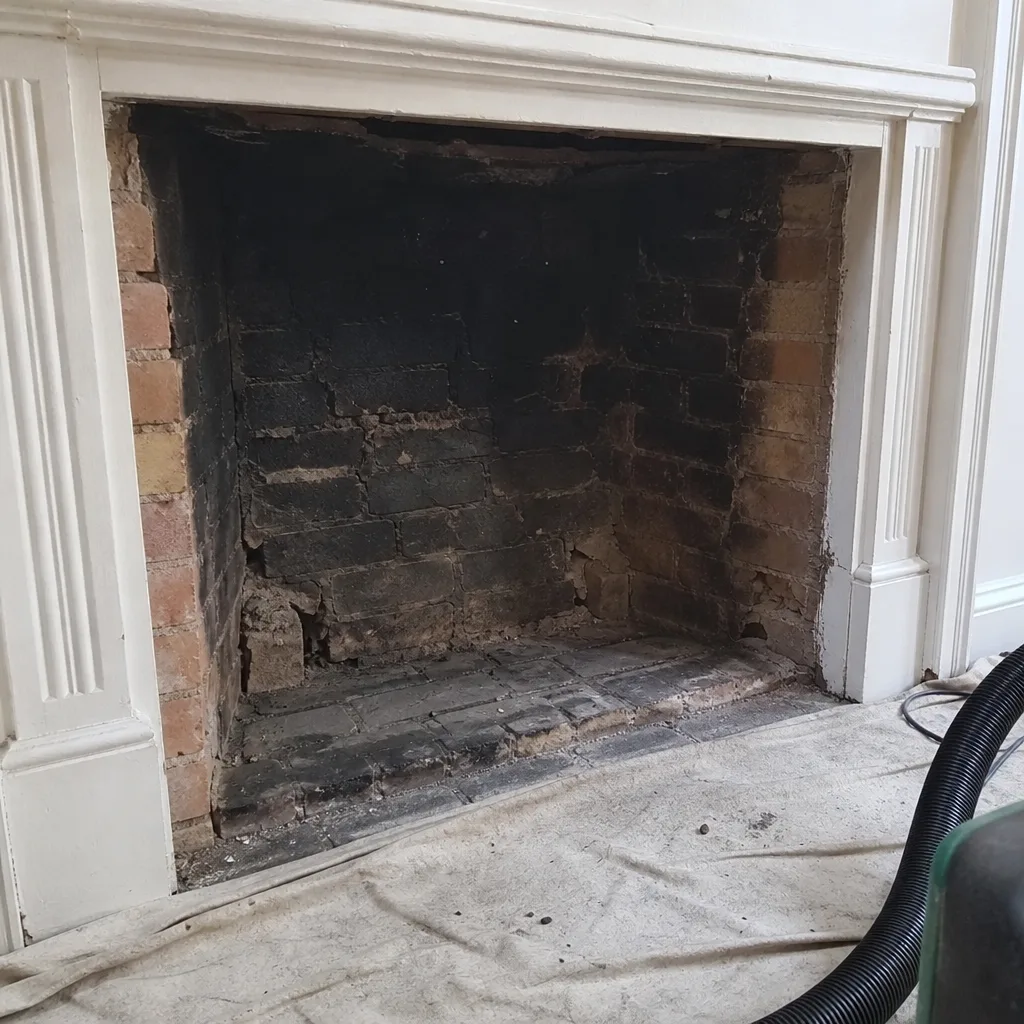
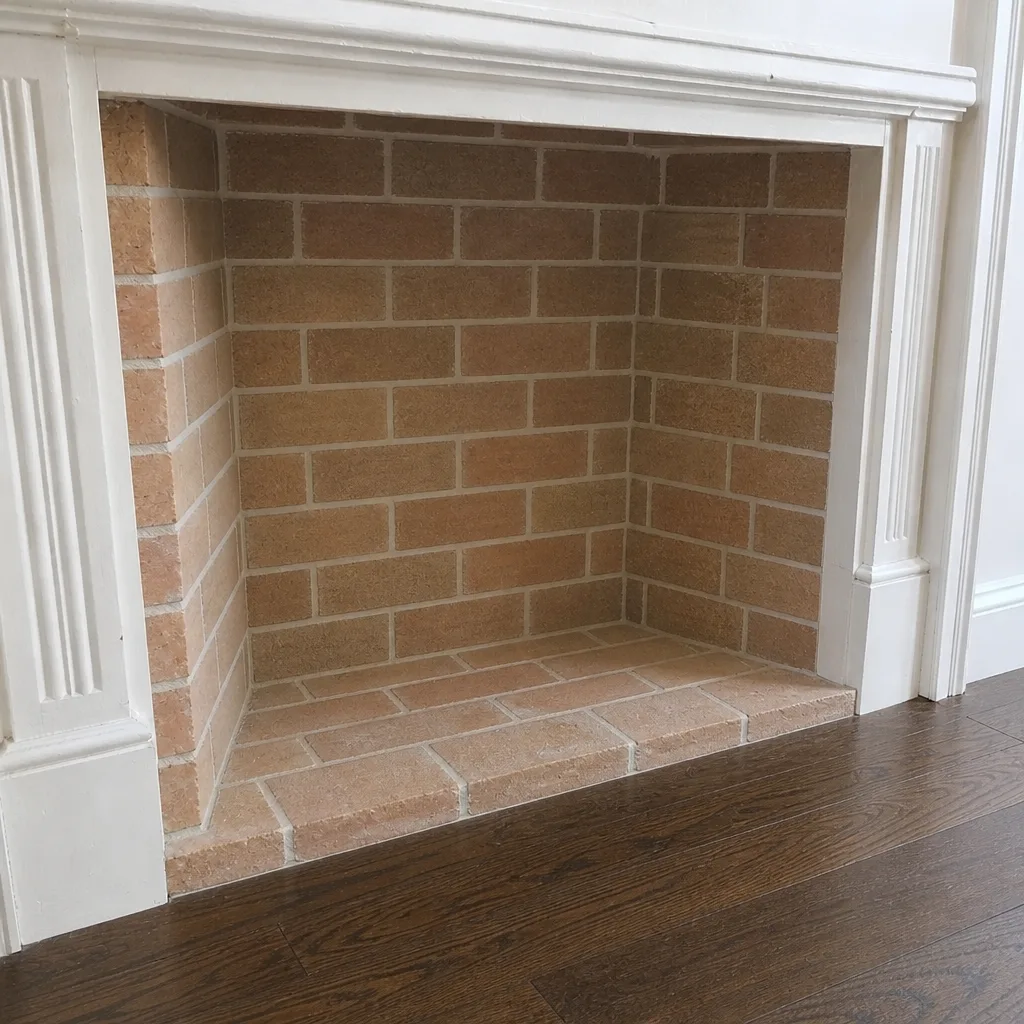
See the difference
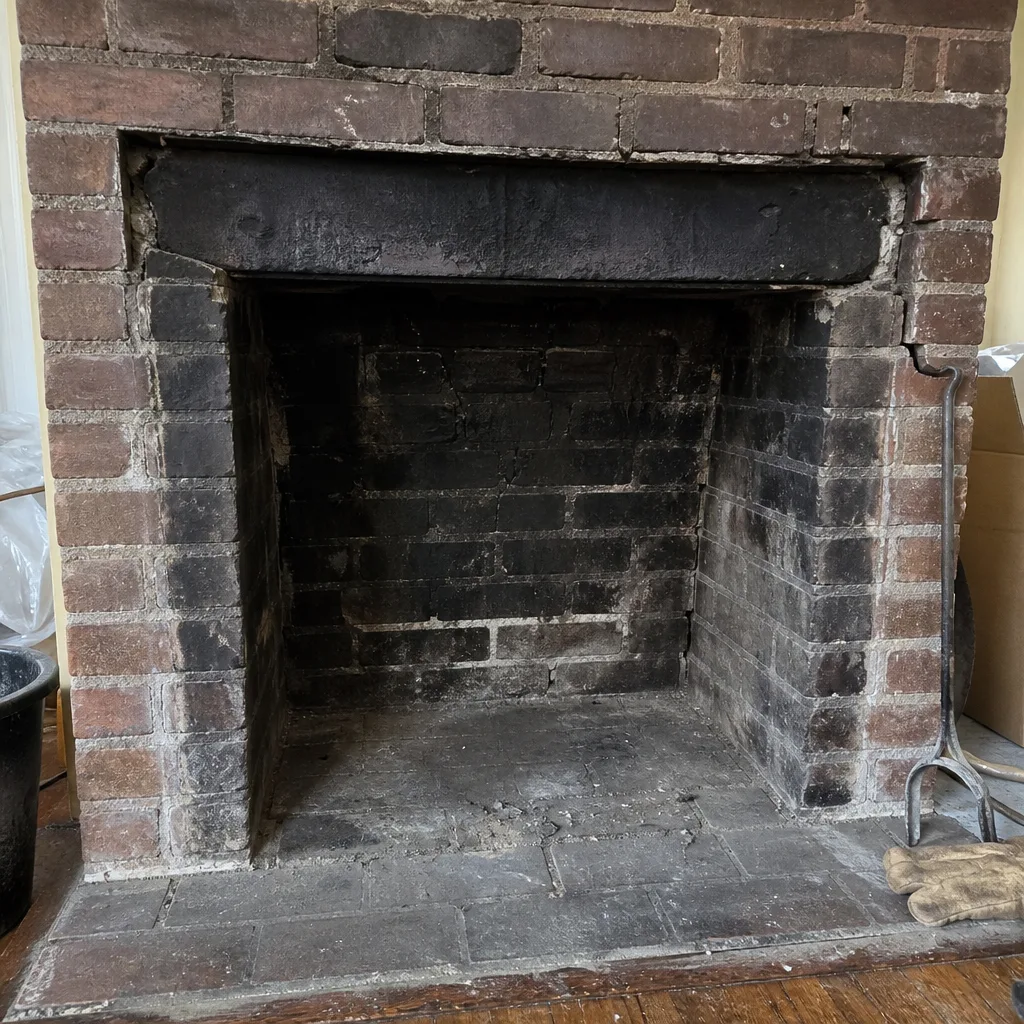 Before
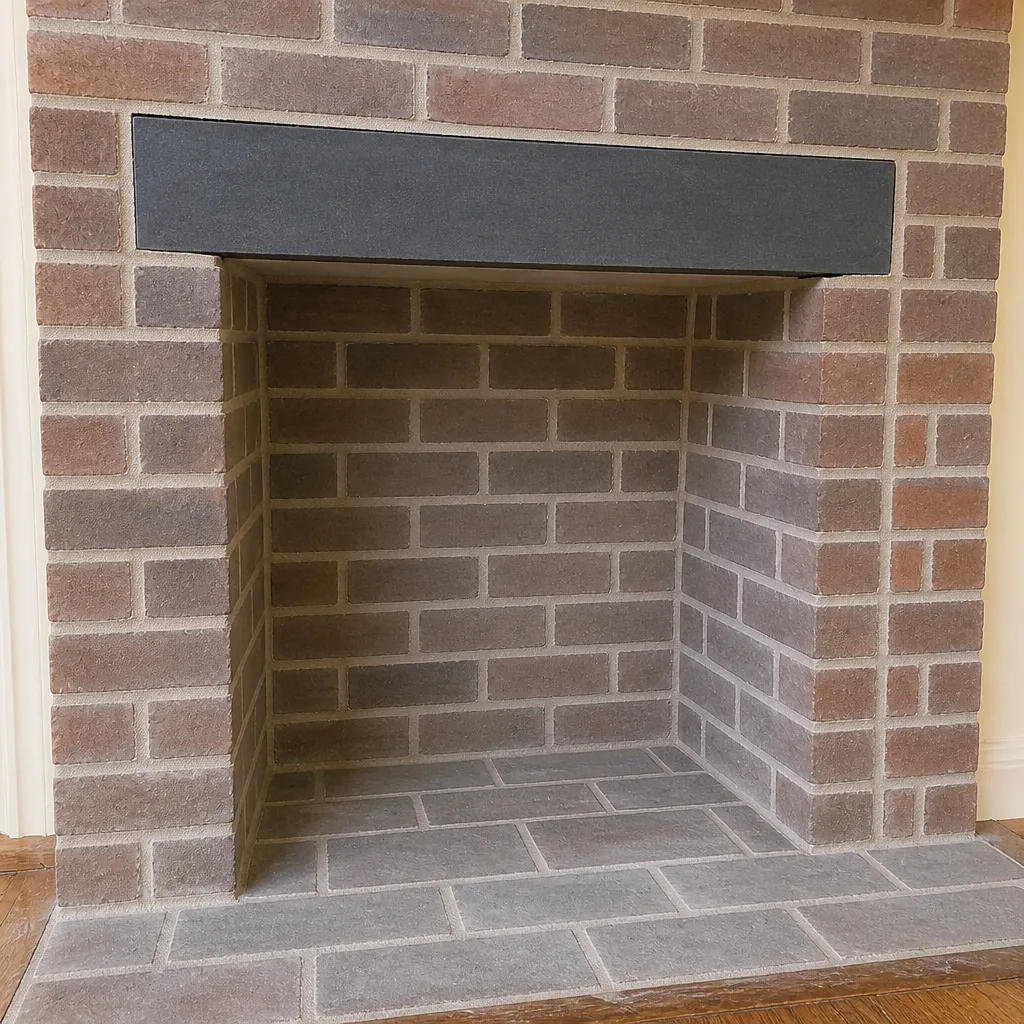 After
 Before
 After
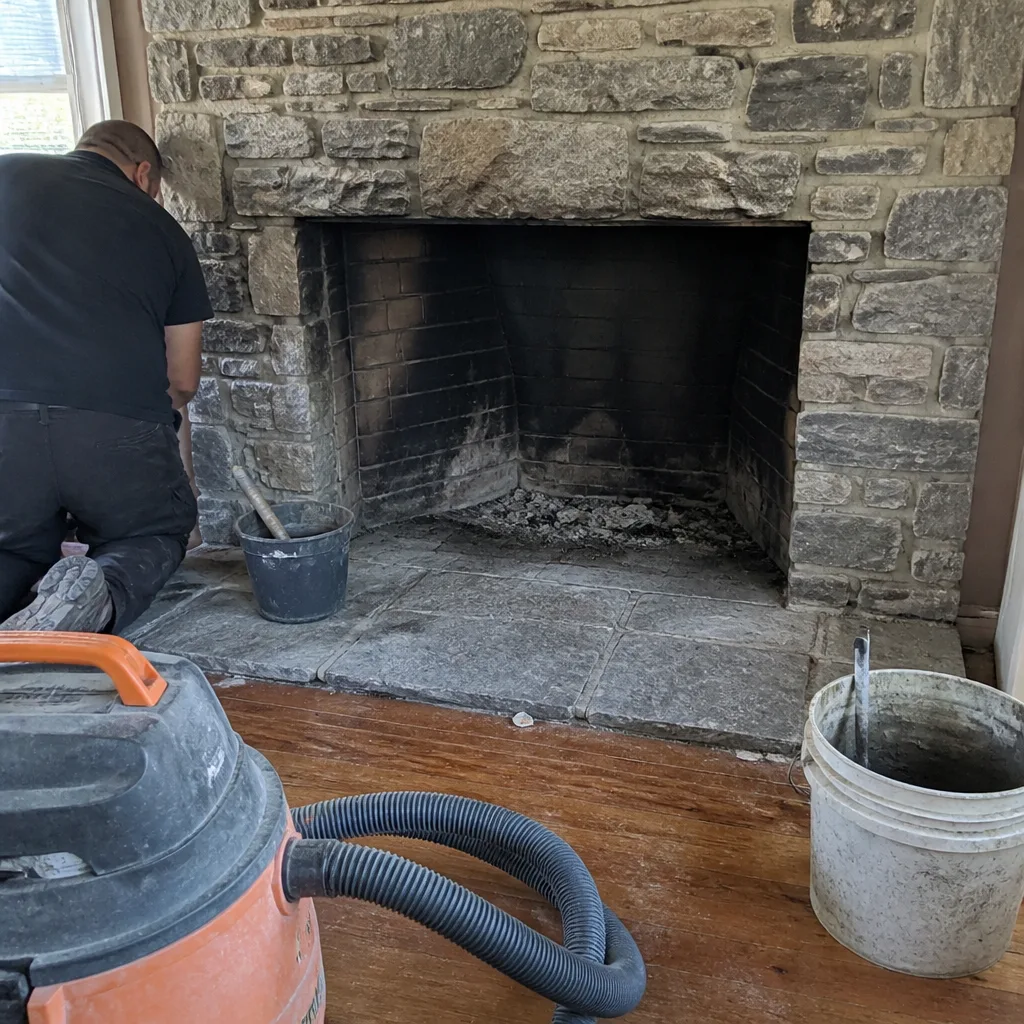 Before
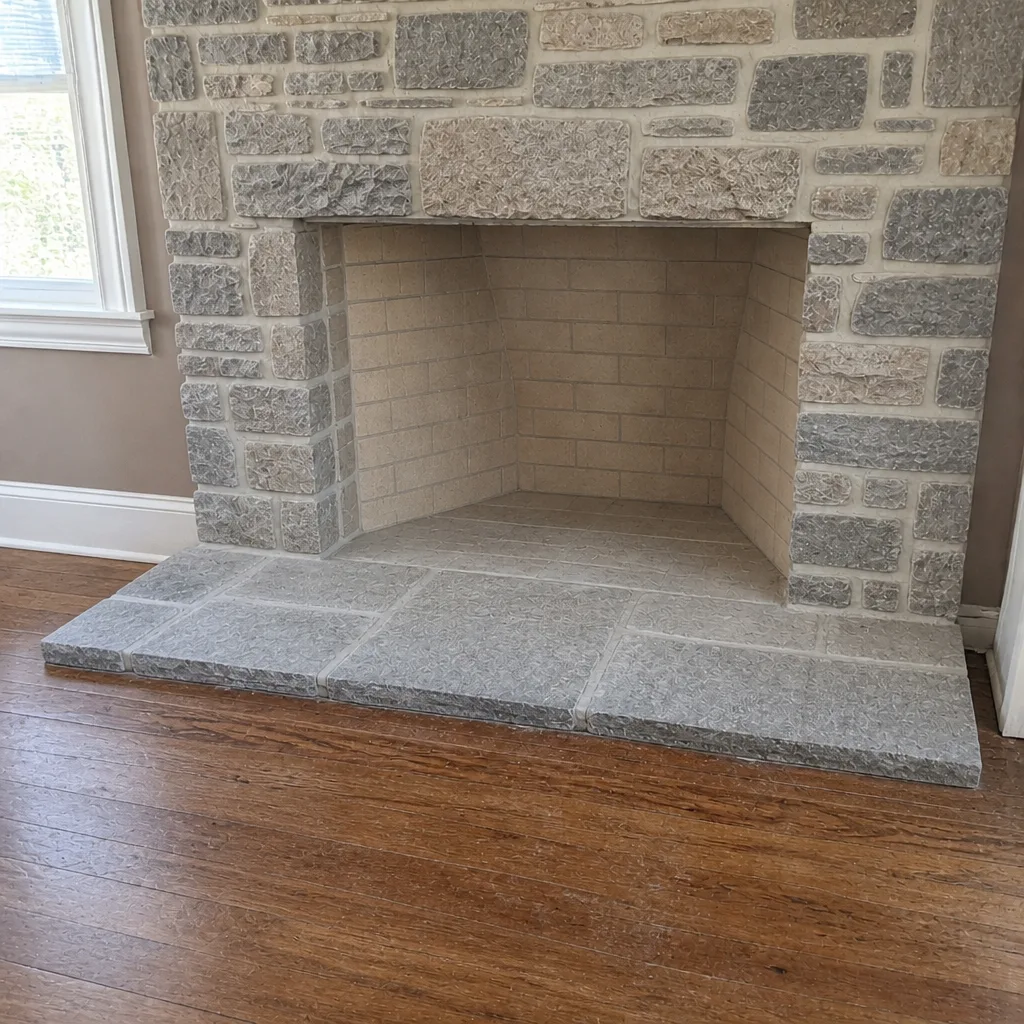 After
When to Call a Professional
Call a chimney specialist before the season if any of these apply: your fireplace or wood stove hasn’t been swept in the last year; you’ve ever had a suspected fire and haven’t had a camera inspection since; the chimney cap is missing, damaged, or loose; the crown is cracked, missing chunks, or letting water into the attic; you burn mostly wet wood or do a lot of overnight smoldering fires; or the flue has any noise, smell, or smoking that isn’t normal. Call us if you’re not sure whether any of those apply. A free estimate in Bay Ridge, a camera inspection, and a written estimate are the first steps, and they’ll tell you what you’re actually dealing with. Call (855) 551-0049. We answer 24/7. Fast dispatch from 7am to 7pm, Sunday through Friday. If you’re calling with a live fire or smoke, call 911 first. Our work begins after the fire department has cleared the building.
We spec the right materials for the job: HeatShield for liner cracks instead of full replacement, DuraFlex for offset and restricted-access flues, Olympia Chimney components for crown and cap work, and Famco or Copperfield where the fit calls for it. We don’t hand off. The same company that inspects the system repairs and restores it, so there’s no gap between the person who found the problem and the person who fixes it. That’s what a dedicated chimney specialist in Bay Ridge is for.
Frequently Asked Questions
A standard chimney sweep in Bay Ridge typically runs in the low hundreds of dollars, and a full inspection with camera is priced separately, but the exact figure depends on the flue, the fuel type, and the level of creosote. The written estimate sets the final price. Call (855) 551-0049 for an exact quote, which is free.
An active chimney fire usually sounds like a low, steady roar inside the flue, similar to a distant freight train or a jet passing overhead. If you hear that sound while a fire is burning, or if smoke puffs back into the room, treat it as a live fire, get out, and call 911. Don’t try to reach a chimney company first.
No. Don’t light another fire until a professional has inspected the system on camera. A fire hot enough to roar or puff smoke will typically have left damage to the liner or masonry that you can’t see from the firebox. Book an inspection before the next burn. Call (855) 551-0049 to schedule one.
A camera inspection is what shows the condition of the liner end to end; a visual inspection of the firebox doesn’t. Chimney fires commonly occur in systems that passed a visual check because the damage was above the firebox and out of sight. A camera scan is the standard, and it’s what we use to show you the evidence before recommending any repair.
Most wood-burning chimneys should be swept once a year, and more often if you burn heavily, burn wet wood, or run a lot of overnight smoldering fires. Gas fireplaces still need periodic inspection, though the creosote load is different. If you’re not sure when you last had it done, book a sweep and inspection and start the record fresh. Call (855) 551-0049 for a free estimate.
Creosote keeps building with every burn, and it can reach the glazed stage where it ignites at high temperature. A blocked or cracked flue can also send carbon monoxide into the living space. The risk isn’t a fire every time; the risk is a fire or a CO leak that could have been prevented by one sweep. Call (855) 551-0049 before the next burn if you’re overdue.
The Bottom Line
Emergency chimney preparedness in Bay Ridge comes down to three decisions made before the season: verify the liner on camera, inspect the cap and crown for water entry, and assess the creosote stage so it’s swept before it can ignite. If a fire happens, the order is stop burning, get out, call 911, then arrange a camera inspection before re-lighting. If a repair can’t be completed until the weather cooperates, capping the flue and shutting the system down safely is a legitimate stopgap. And nothing should be recommended to you without camera evidence you can see yourself. A chimney is out of sight, but it’s not out of reach. The right sweep and inspection now prevents the emergency call later. Call (855) 551-0049. We answer 24/7. Fast dispatch from 7am to 7pm, Sunday through Friday. We’re closed Saturday. When you’re ready to book the chimney sweep, the chimney cap & crown inspection, or a repair, we’ll give you a written estimate that sets the final price. For a full look at how we handle the system, see what we do at Chimney Sweep Bay Ridge. If you’re comparing repair options, our chimney repair page explains how we approach the work, and our chimney sweep page covers what a proper sweep includes.
Written by the team at Chimney Sweep Bay Ridge.