
Last updated November 22, 2026
 Sweep & inspection
 Caps & crowns
 Flue relining
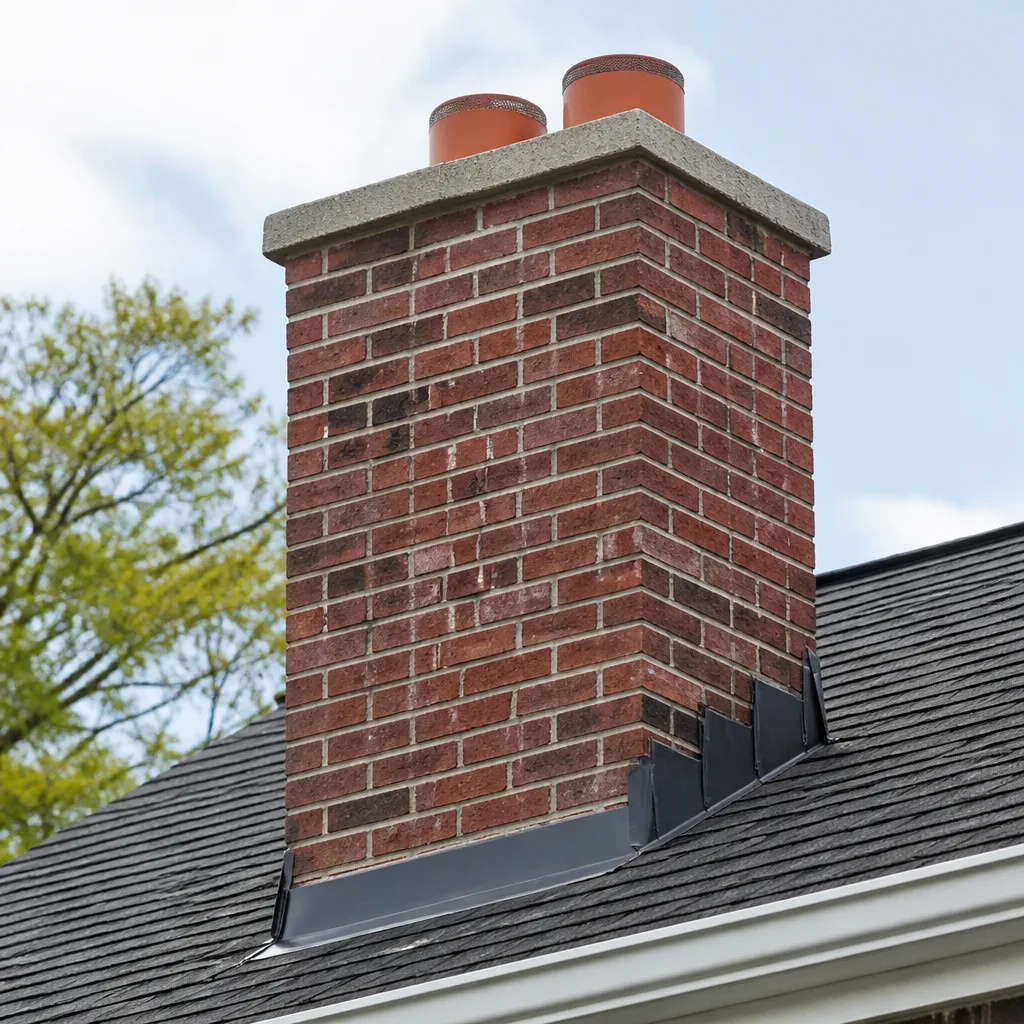 Masonry repair
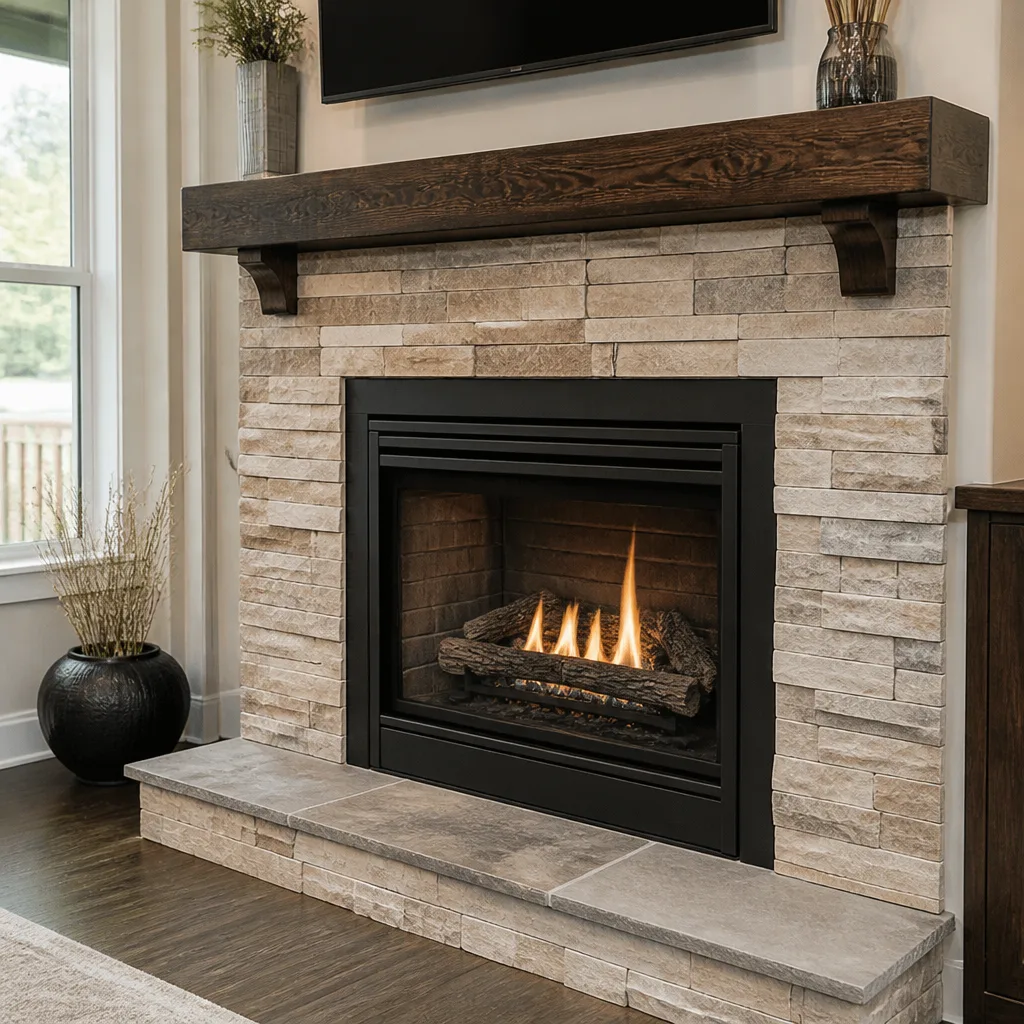 Gas fireplace service
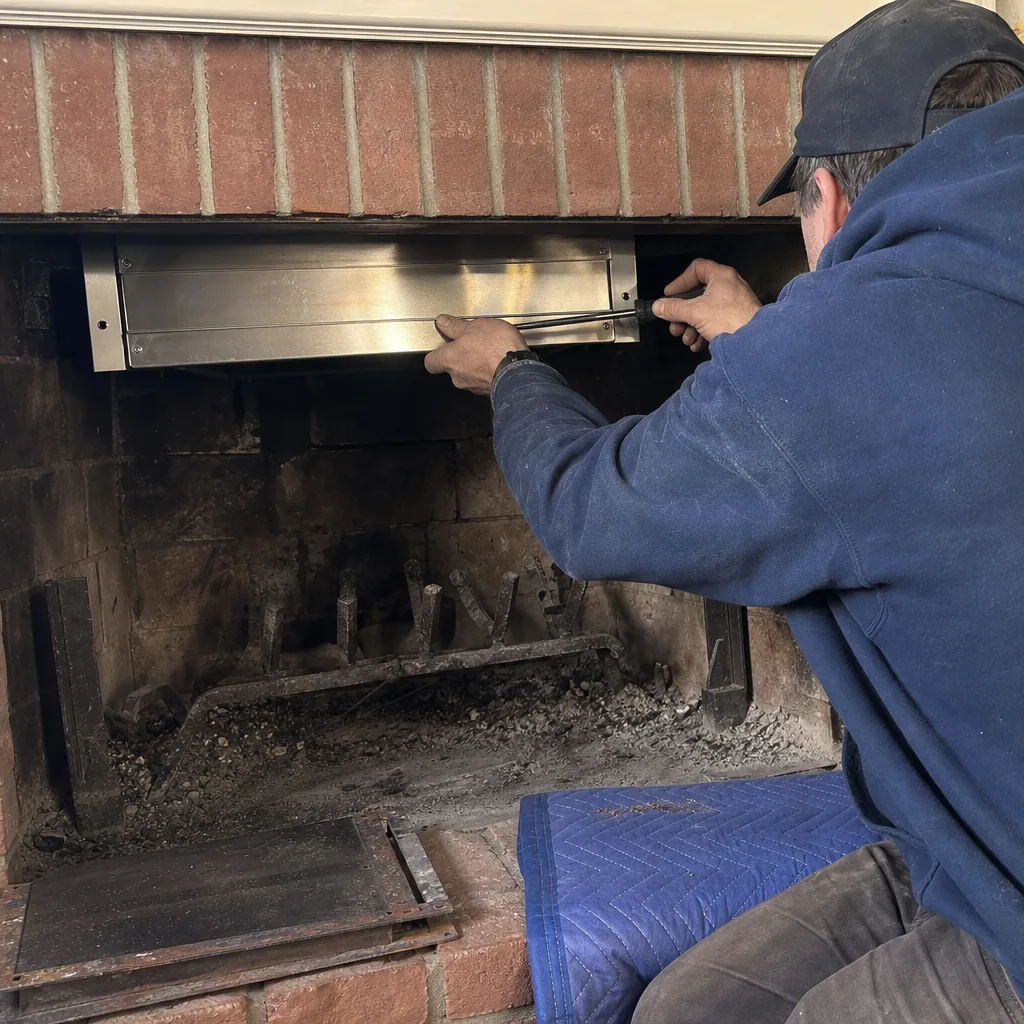
Level 1 sweep and inspection to the NFPA 211 annual standard - flue, crown, cap, and flashing checked and photographed
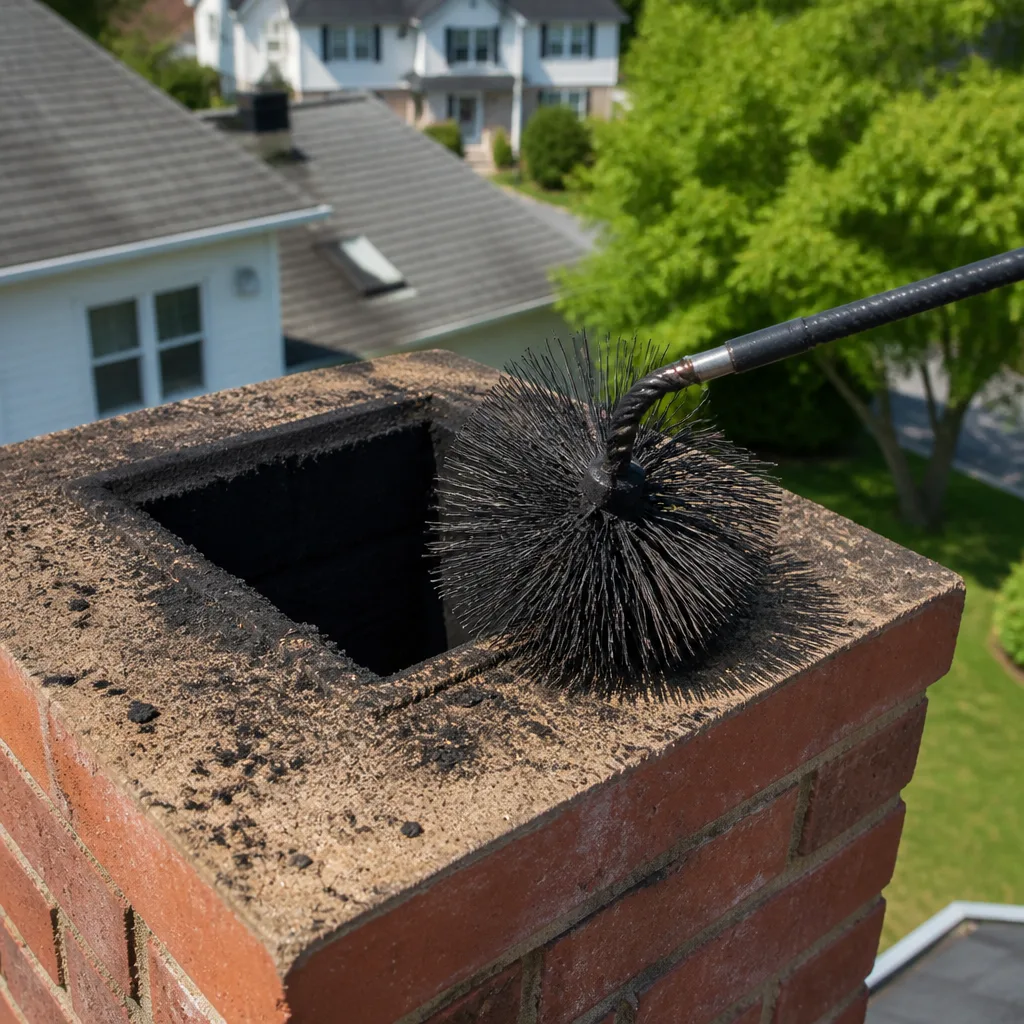
Chimney sweep logs do not sweep chimneys. They loosen some creosote - which then falls where a brush and vacuum still have to collect it.
The Complete Guide to Chimney Cleaning in Bay Ridge
Most homeowners assume a chimney cleaning is a cleaning. Someone comes, runs a brush up the flue, sweeps out the firebox, and leaves. The chimney looks better, the fireplace draws again, and everyone feels safer. Here’s the part that surprises people: a brush alone doesn’t tell you whether your chimney is safe to use. Cleaning removes what has built up; only an inspection explains why it built up, where it’s collecting, and whether the flue can handle another season. On Bay Ridge’s tight blocks of rowhouses and brownstones, that distinction matters more than in a detached suburban house, because shared walls and shallow lots change how a chimney behaves. This guide walks through what a real cleaning includes, what it should document, and how to tell the difference. Our technicians have up to 11 years of experience with exactly this kind of work.
Styles & brands we work with
- Sweep & inspection
- Caps & crowns
- Flue relining
- Masonry repair
- Gas fireplace service
Quick Answer
A proper chimney cleaning in Bay Ridge is a two-part job: a mechanical sweep of the flue and firebox, plus a Level 1 inspection that checks the accessible parts of the chimney system for creosote thickness, blockages, cracks, and water entry. The sweep removes what’s there. The inspection tells you whether the chimney is safe to keep using. Anything less is a surface result, not a safety answer.
If you want both done by a chimney-only specialist, Chimney Sweep Bay Ridge handles inspection and cleaning together, and the findings come to you in writing with photographic evidence. Call (855) 551-0049 for a free estimate. We answer 24/7. Fast dispatch from 7am to 7pm, Sunday through Friday.
Table of Contents
- What a Chimney Cleaning Actually Includes
- Why Bay Ridge Rowhouses and Brownstones Change the Job
- Soot, Creosote, and Stage 3 Glazed Creosote: The Difference That Matters
- What a Level 1 Inspection Examines (and What a Brush-Only Service Skips)
- What a Written Service Report Should Document
- How to Verify a Cleaning Was Actually Completed
- How Often Should a Chimney Be Cleaned in Bay Ridge?
- What Chimney Cleaning Costs in Bay Ridge
- Common Mistakes to Avoid
- When to Call a Professional
- Frequently Asked Questions
- The Bottom Line
What a Chimney Cleaning Actually Includes
A complete cleaning covers four things: the flue, the firebox, the smoke chamber above the damper, and the accessible parts of the chimney exterior. Each one can hide a problem the others don’t show. A flue can look clear while the smoke chamber above the damper has formed a rough creosote glaze, and a chimney can draft perfectly while its crown is cracked and letting water in.
Here’s what a full cleaning and its accompanying Level 1 inspection involves when we do it:
- Protect the room. Drop cloths over the hearth and floor, and a sealed vacuum connection at the firebox so dust stays inside the system, not in your living room.
- Inspect the firebox and damper first. Before any brushing, we check the firebox brickwork, the damper plate movement, and the smoke shelf for corrosion or debris.
- Sweep the flue. The right brush depends on the flue’s shape, size, and lining. Rotary tools break up compacted deposits; hand brushes finish the job.
- Clear the smoke chamber and smoke shelf. This sloped chamber above the damper traps deposits that a simple flue brush leaves behind.
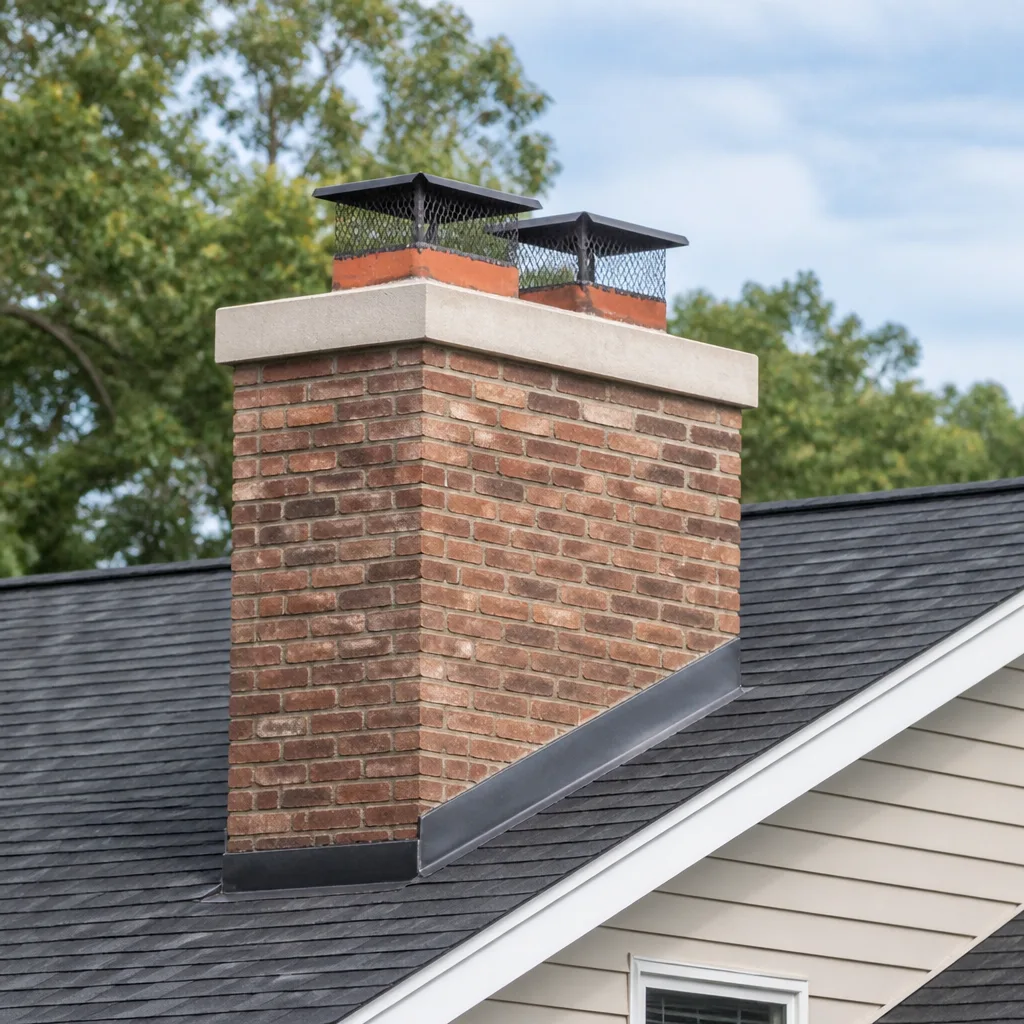
- Check the top. The chimney cap, crown, and flue tiles are examined for cracks, loose mortar, and blockages such as bird nests or leaves.
- Clean the firebox floor and reassemble. Debris is vacuumed out, the damper is checked to move freely, and everything is put back.
- Document what was found. Photos and a written report go to you at the end, not just a verbal “all good.”
That last point is where cleaning turns into useful information. A cleaning without a report is a chore; a cleaning with a report is a record of the system’s condition, which is what you’ll want before next season.
Why Bay Ridge Rowhouses and Brownstones Change the Job
Bay Ridge’s housing stock is dense. Long rows of brick rowhouses and brownstones sit shoulder to shoulder, many of them built in the same era and sharing similar chimney construction: brick flues, sometimes lined, sometimes not, often with original chimney stacks rising through shared roof lines. That density changes the job in ways a suburban detached house never sees.
- Slow cooling flues. In a row of attached houses, exterior chimney walls are partly shielded by neighbors. That can slow how fast the flue warms and cools, which affects how creosote deposits form and where it collects.
- Shaded and enclosed tops. Between tall neighboring walls and pitched roofs, chimney stacks here often sit in less airflow than a freestanding chimney would. Damp, still conditions favor heavier deposits on the interior flue surface.
- Shared party walls. When two chimneys run side by side within or against a shared wall, a defect in one can affect the other’s draft. A proper inspection here means knowing what’s behind a wall and what’s only surface brick.
- Small lot access. Many Bay Ridge homes sit on narrow lots with tight side passages, which affects how chimney tops are accessed and inspected from above.
- Real winter weather. New York’s winters bring repeated freeze-thaw cycles, which stress mortar joints and crowns. Water getting into a chimney is one of the most common causes of gradual damage we find in Bay Ridge.
We’ve seen the pattern repeat: a homeowner who has burned wood for years gets the flue brushed, notices a buildup of creosote in the same place each time, and only discovers during an inspection that the crown has been cracked for years and moisture has been degrading the flue lining from above. The sweeping was fine. The diagnosis was missing. A dedicated chimney company should know the local building stock well enough to anticipate that.
Soot, Creosote, and Stage 3 Glazed Creosote: The Difference That Matters
Not all deposits in a chimney are the same. Soot is a light, powdery residue that brushes away easily. Creosote is a by-product of wood combustion that exists in three forms, and the third one is a different job entirely.
- Stage 1: light soot and flaky creosote. Standard for a regularly cleaned chimney. A brush removes it.
- Stage 2: crusty, flakey creosote. Still brush-removable, but it indicates the chimney has been run colder or less often. More cleaning attention and possibly a change in burning habits are needed.
- Stage 3: glazed, hardened creosote. A dense, tar-like coating that fuses to the flue surface. Brushing and scraping alone can’t remove it. It needs a chemical treatment followed by a proper mechanical follow-up.
Stage 3 creosote is the safety problem in the sequence. It forms when flue gases cool too quickly, which happens with green or wet wood, restricted airflow through a closed-up firebox, or flues that aren’t sized right for the appliance. The glazed layer is what creates the sustained deposit that can ignite. It can’t be brushed off because it’s chemically bound to the surface.
A chimney specialist should know the difference, and should tell you plainly when glazed creosote needs chemical treatment rather than just another brushing. That conversation is part of every cleaning we do. If we find it, we’ll show you the photograph, explain how it formed, and tell you the treatment path: chemical application to soften the glaze, then mechanical removal over one or more visits, then a re-inspection. The full removal matters. A partially treated glaze is not a safe flue.
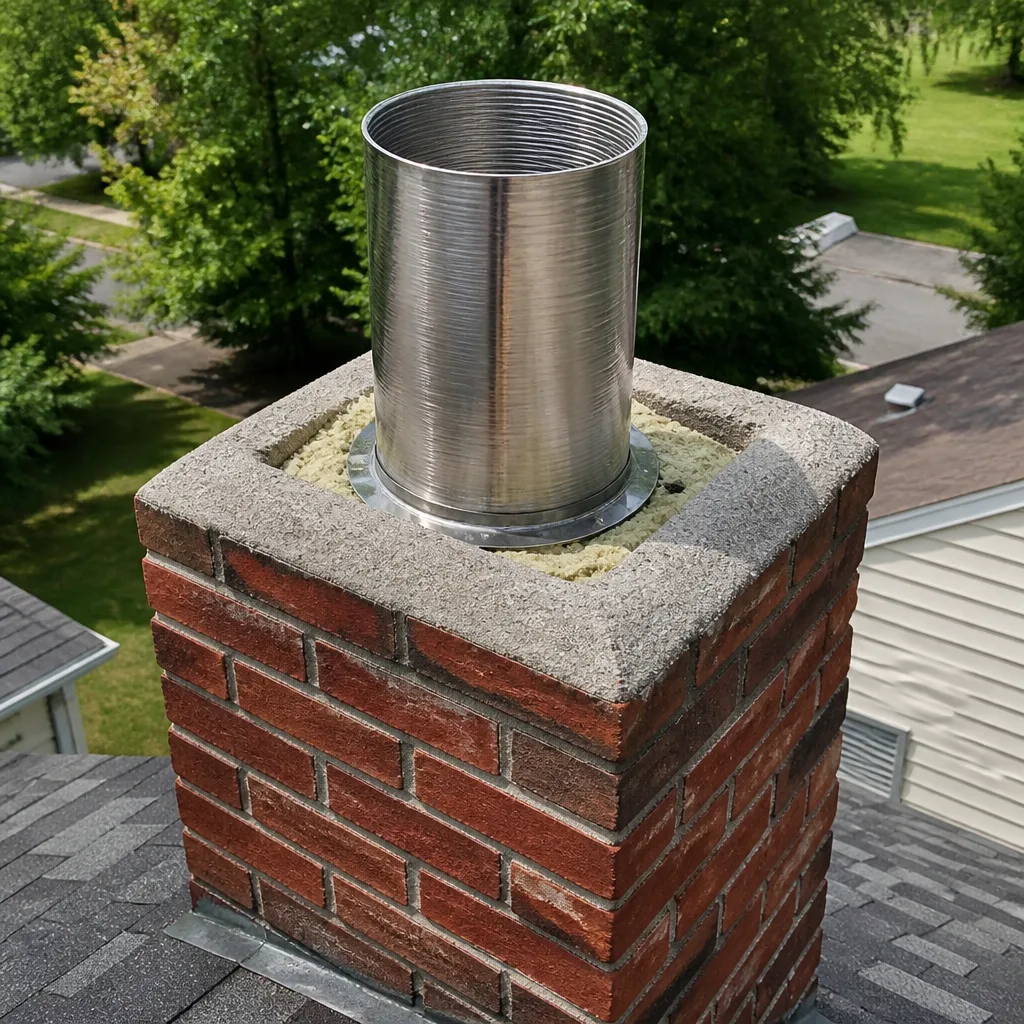
This is also where products start to matter. For flue liner restoration, we’re equipped with the HeatShield ceramic resurfacing system, which can repair damaged or cracked flue surfaces without full liner replacement. It’s not the right solution for every chimney, but where the lining is cracked and otherwise sound, it extends life and seals the flue surface without pulling out a sound lining.
What a Level 1 Inspection Examines (and What a Brush-Only Service Skips)
Chimney inspections are classified in levels. A Level 1 inspection is the kind that belongs with routine cleaning. It examines the readily accessible parts of the system without any demolition, with the usual exception of a camera up the flue where conditions warrant it. It’s thorough and non-invasive. It’s not just a quick look.
A Level 1 inspection examines:
- The firebox and the damper plate.
- The smoke chamber and smoke shelf above the damper.
- The full length of the flue, looking for creosote thickness, cracks, gaps, missing tile joints, and loose lining material.
- The chimney cap, crown, and flue tile tops, checking for cracks, looseness, and water entry points.
- The accessible chimney exterior where it can be reached safely from a roof or ground vantage.
- The appliance connection, if the chimney serves a wood stove or insert.
What a brush-only service typically skips: the flue liner cracks that only show up when the flue is examined, not just swept; the crown and cap damage that drains into the flue during the off-season; the smoke chamber above the damper, where deposits pocket and the geometry isn’t visible from the firebox; and the appliance’s venting connection, where a dislodged pipe is a carbon monoxide concern, not a debris concern.
Those skips aren’t small. A cracked flue tile can let heat reach framing; a failed crown can let water into the flue lining and cause it to deteriorate; a blocked or disconnected appliance connection can put combustion gases into the home. Cleaning only addresses the inside surface. The inspection is what tells you whether the rest of the system is working. Our technicians have up to 11 years of experience distinguishing ordinary wear from something that needs repair now.
What a Written Service Report Should Document
A verbal “everything looks good” isn’t a report. A written service report is a record you keep, refer back to, and can hand to a future technician or a buyer when you eventually sell. It’s the difference between a memory and a fact. When we finish a cleaning in Bay Ridge, the report includes:
- The date and the service performed, including what was cleaned and how.
- A description of the flue: size, lining type and condition, and the amount and stage of creosote found.
- Photographs of the flue interior, firebox, crown, cap, and any condition worth noting. Photos are the evidence; without them, findings are just claims.
- Observations on the crown, cap, and damper, noting cracks, corrosion, or looseness.
- A clear recommendation section, differentiating between “safe to use,” “use with caution, monitor this,” and “do not use until repaired.”
- An itemized estimate for any repair work recommended, written separately so the cleaning and any repairs aren’t bundled into one number.
That last distinction matters. If the person cleaning is also the person deciding what repairs are needed, keeping the estimate separate from the cleaning price lets you see what you’re paying for and what is genuinely optional. We tell homeowners when work can safely wait. A crown that’s slightly weathered but sound can be monitored next season; a cracked crown actively letting water into the flue is a different priority.
What a generalist’s report usually contains instead: a few lines describing what was done and a verbal suggestion that “it wouldn’t hurt to get a cap put on.” That’s not a record, and it doesn’t help you understand your system six months from now. If a contractor can’t point to the photo and explain the finding, you shouldn’t rely on it.
How to Verify a Cleaning Was Actually Completed
Chimney cleaning is invisible work. The flue is inside the chimney, above the firebox, out of reach. Homeowners rarely see what happens up there, which is why verifying the work matters. Here’s what you should be able to see and ask for:
- Before-and-after photographs of the flue interior. Not just the crown and cap, but inside the flue. If the report says the flue was swept, there should be photos.
- A creosote description. Not “some buildup,” but what stage and where. Saying “a moderate amount of Stage 1 flake, no glazing” is a verifiable statement; “looks fine” is not.
- A photo of the smoke chamber and damper. These are the areas a brush-only job can miss, so ask to see them.
- The chimney cap and crown, photographed. These two points are where most water intrusion begins. If they weren’t checked and photographed, the job is incomplete.
- A written report you can keep. Verbal reports don’t survive the conversation; a document does.
If a technician can’t produce any of this, it doesn’t automatically mean the work wasn’t done. It does mean you have no way to confirm it was, and no baseline for next year. That’s the whole argument for asking for documentation: it lets you tell whether the same condition is being reported twice without change, or whether the chimney is actually stable.
How Often Should a Chimney Be Cleaned in Bay Ridge?
The standard advice is to have a chimney cleaned and inspected once a year, and more often if you burn heavily or burn wood that’s not fully seasoned. Annual cleaning and inspection is the baseline recommendation, and it’s wise to follow it in a place like Bay Ridge where homes have limited outdoor storage and firewood often stays stacked longer than ideal.
Burn volume matters more than the calendar. A household that uses the fireplace most evenings in winter will need more frequent cleaning than one that lights it a few times a season. So will a home that burns unseasoned or soft wood, which produces more creosote per cord. A properly burning fire leaves less to clean. The way to get the fire burning cleaner is a combination of dry wood and adequate draft.
Overlooking a year is not an emergency, but it does shift the balance toward risk. If the flue has been swept, the creosote layer removed, and the inspection found no defects, an extra season without a sweep is low risk. If creosote has been building for two or three years, a sweep and inspection are overdue. That’s why we recommend the annual check even in seasons without heavy use. It catches the small things – a cracked tile, a loose cap, a damper that won’t fully close – before they turn into a repair. Call (855) 551-0049 to book an inspection or chimney sweep. The estimate is free, and we answer 24/7.
What Chimney Cleaning Costs in Bay Ridge
Chimney cleaning in Bay Ridge typically ranges from about $185 to $350 depending on the flue’s condition, its accessibility, and whether the cleaning requires chemical treatment for glazed creosote. A standard sweep on a regularly maintained flue sits toward the lower end; a chimney with heavy buildup, a difficult flue configuration, or a smoke chamber that needs extra attention sits toward the upper end. The estimate is free, and the written estimate sets the final price.
Here’s a general idea of what you might budget for, by service:
- Standard chimney sweep (flue, firebox, smoke chamber, basic Level 1 inspection): typically $185 to $310.
- Deep cleaning with chemical creosote treatment (for Stage 3 glazed creosote): typically $275 to $450, sometimes spanning more than one visit.
- Level 1 inspection as a stand-alone service: typically $125 to $225.
- Chimney cap installation: typically $185 to $425 depending on cap style and flue configuration.
- Crown repair or rebuild: typically $350 to $950 depending on the extent of damage.
- Chimney relining or lining repair: priced individually, based on flue condition and access.
Those numbers are estimates for typical situations. Bay Ridge’s housing stock, including brownstones and rowhouses with narrow side access and irregular chimney tops, can push a job above or below the range. For example, a chimney with an offset flue may need a flexible liner system such as DuraFlex rather than a straightforward brush-and-clean, and the estimate reflects the equipment needed, not a surcharge. Our repair capability includes flexible liner installation for exactly this reason: not every flue is straight, and some have bends, offsets, or limited access that rigid liner installers find difficult.
What you shouldn’t expect is a number thrown out over the phone. Anyone who quotes a chimney cleaning without seeing the flue is guessing. The estimate is free, and the price is set per job by the written estimate. Call (855) 551-0049 to schedule one.
Common Mistakes to Avoid
- Skipping the inspection because the cleaning “looked thorough.” A brush can remove buildup while leaving a cracked tile or a failed crown undetected. Cleaning is the removal; inspection is the diagnosis, and you need both.
- Treating glazed creosote like ordinary soot. A hardened Stage 3 glaze cannot be brushed off. If a cleaner says they’ve removed it in one brushing, they haven’t.
- Ignoring the crown and cap. Water enters through those two points more often than anywhere else, and in Bay Ridge’s freeze-thaw winters, that moisture damage compounds. Have them inspected and repaired as part of the cleaning.
- Trusting a verbal “all good.” Ask for a written report with photographs. You can’t rely on a report if you can’t see it or keep it.
- Cleaning on a schedule without a condition baseline. A home burning a cord of wood a winter may need annual sweeps; a home lighting the fireplace a few times a season may not. Let the inspection findings set the schedule, not the calendar alone.
- Using a generalist contractor for a chimney-only job. The right person to assess a chimney’s condition is a dedicated chimney specialist. The right materials matter too: professional-grade components from brands we source specifically for chimney work, not components picked up at a general hardware store.
- Assuming a clean chimney is a healthy chimney. Clean and safe aren’t the same thing. The report’s job is to separate the two.
When to Call a Professional
Call a professional when any of these apply: you’ve never had the chimney inspected; you’ve had a chimney fire, even a small one; the fireplace smokes, smells, or drafts poorly; you notice staining or white powdery deposits on exterior brickwork; the firebox or damper shows cracking or corrosion; you’ve seen a bird or animal in the chimney; or your current cleaning report doesn’t include the flue interior. Those are all reasons to have the system properly checked before the next fire. Call (855) 551-0049 for a free estimate. We answer 24/7. Fast dispatch from 7am to 7pm, Sunday through Friday. If the crown or cap is the concern, look at our chimney cap & crown page. If you already know something needs fixing, see chimney repair.
Frequently Asked Questions
A standard chimney cleaning in Bay Ridge typically runs about $185 to $310, and can go up to $350 or more if the flue has heavy glazed creosote or requires difficult access. The estimate is free, and the written estimate sets the final price. Call (855) 551-0049 for an exact quote based on your chimney’s condition.
Not always. A liner is needed when the existing flue is cracked, unlined, or too large for the appliance. In many cases, cracked linings can be restored with the HeatShield ceramic resurfacing system, which is a repair rather than a full replacement. A liner is only recommended after we’ve examined the flue and documented the condition with photographs. If the lining is sound, we won’t recommend replacing it.
Once a year is the standard recommendation, and more often if you burn heavily or use wood that isn’t fully seasoned. In Bay Ridge, where woodstoves and fireplaces get regular use through the winter, an annual sweep and inspection catches most issues before they become repairs. The inspection findings should guide your actual schedule, not a strict calendar alone.
Skipping a cleaning allows creosote to build up, and in advanced cases that buildup can ignite, which is how chimney fires start. It also allows small problems like a cracked flue tile, a loose cap, or a damaged crown to go unaddressed and have time to worsen. The risk isn’t just a dirtier flue; it’s the damage that goes unnoticed in the meantime.
Usually, yes. We’re a chimney-only specialist with both sweep and repair capabilities in the same company, so an inspection finding and the repair it calls for can be scheduled together. That avoids coordinating multiple contractors for one chimney system. Call (855) 551-0049 to schedule an inspection and get a written estimate covering both the cleaning and any repairs found.
Stage 3 creosote is a hard, tar-like glazed deposit that bonds to the flue surface. Brushing alone won’t remove it. It requires a chemical treatment to break down the glaze, followed by mechanical removal, sometimes over more than one visit. Removing it fully matters, because a partially treated glaze is still a fire risk. We identify it during the inspection and describe the treatment plan in writing.
The Bottom Line
Chimney cleaning in Bay Ridge should be treated as a system diagnosis, not a quick brush. The cleaning removes what’s there; the inspection tells you whether the chimney is safe to use, and the written report is the evidence you can keep. A proper cleaning should include a Level 1 inspection, documented findings, photographs, and a written estimate for any recommended repairs. A dedicated chimney specialist will tell you plainly when work can wait. Our technicians have up to 11 years of experience with this exact work, and we specify the right materials for the job, from liner restoration with HeatShield to flexible DuraFlex systems for offset flues. Chimney Sweep Bay Ridge is a chimney-only specialist, so the inspection, cleaning, and any repair are handled by one company. Call (855) 551-0049 for a free estimate. We answer 24/7. Fast dispatch from 7am to 7pm, Sunday through Friday.
Written by the team at Chimney Sweep Bay Ridge.
See the difference
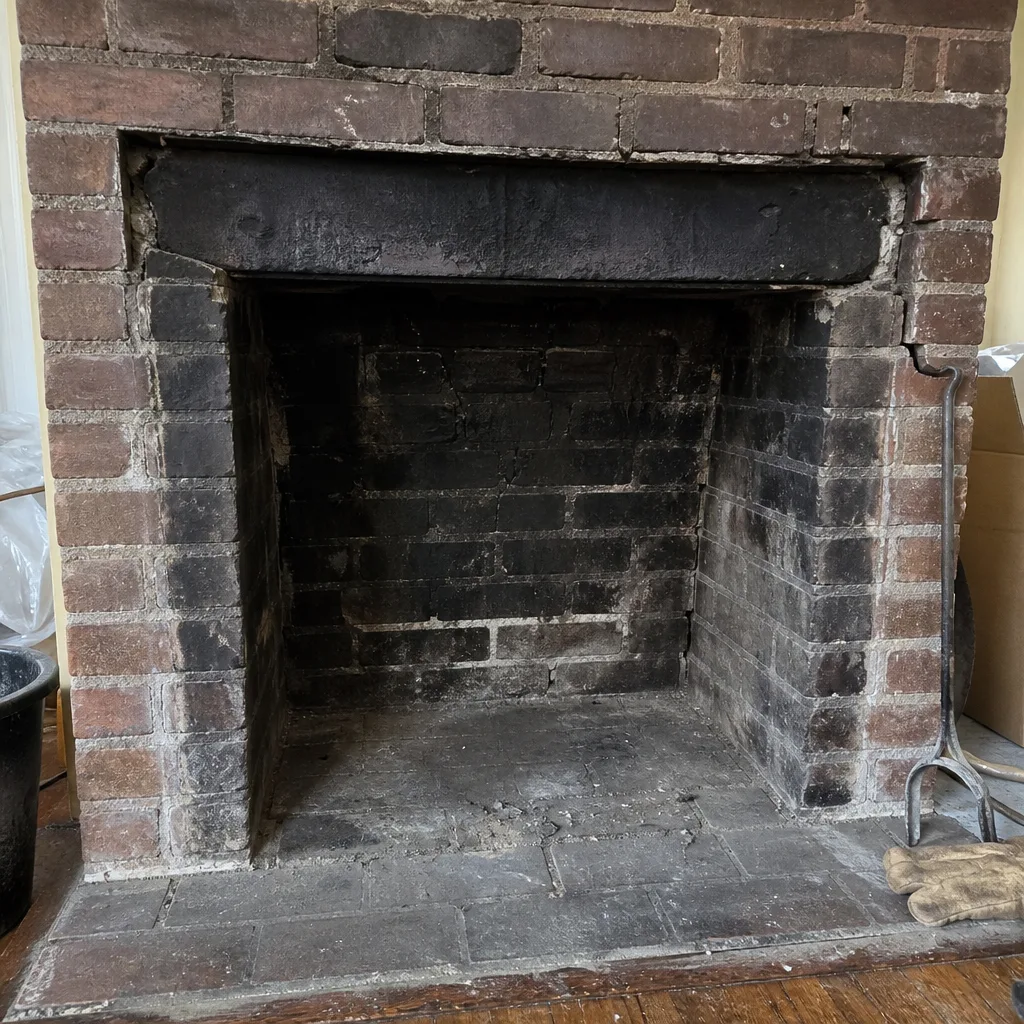 Before
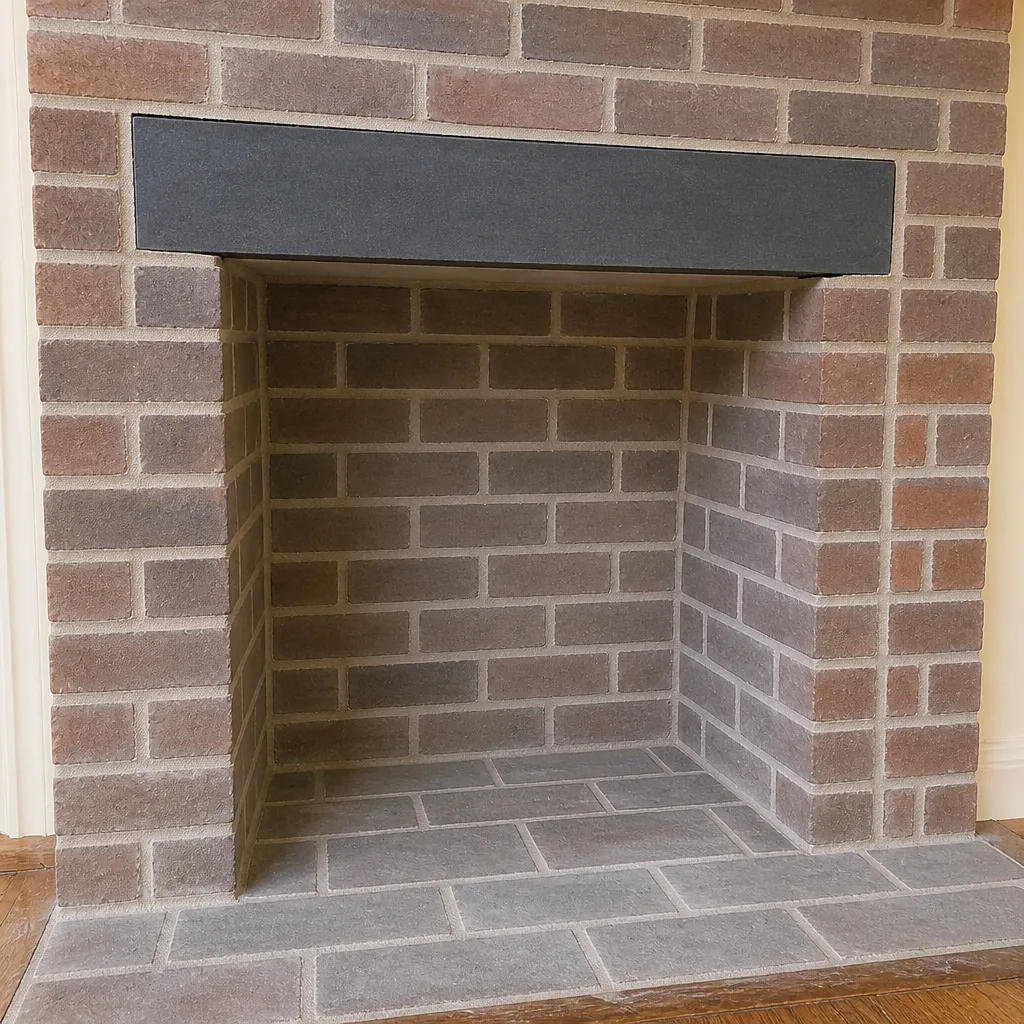 After
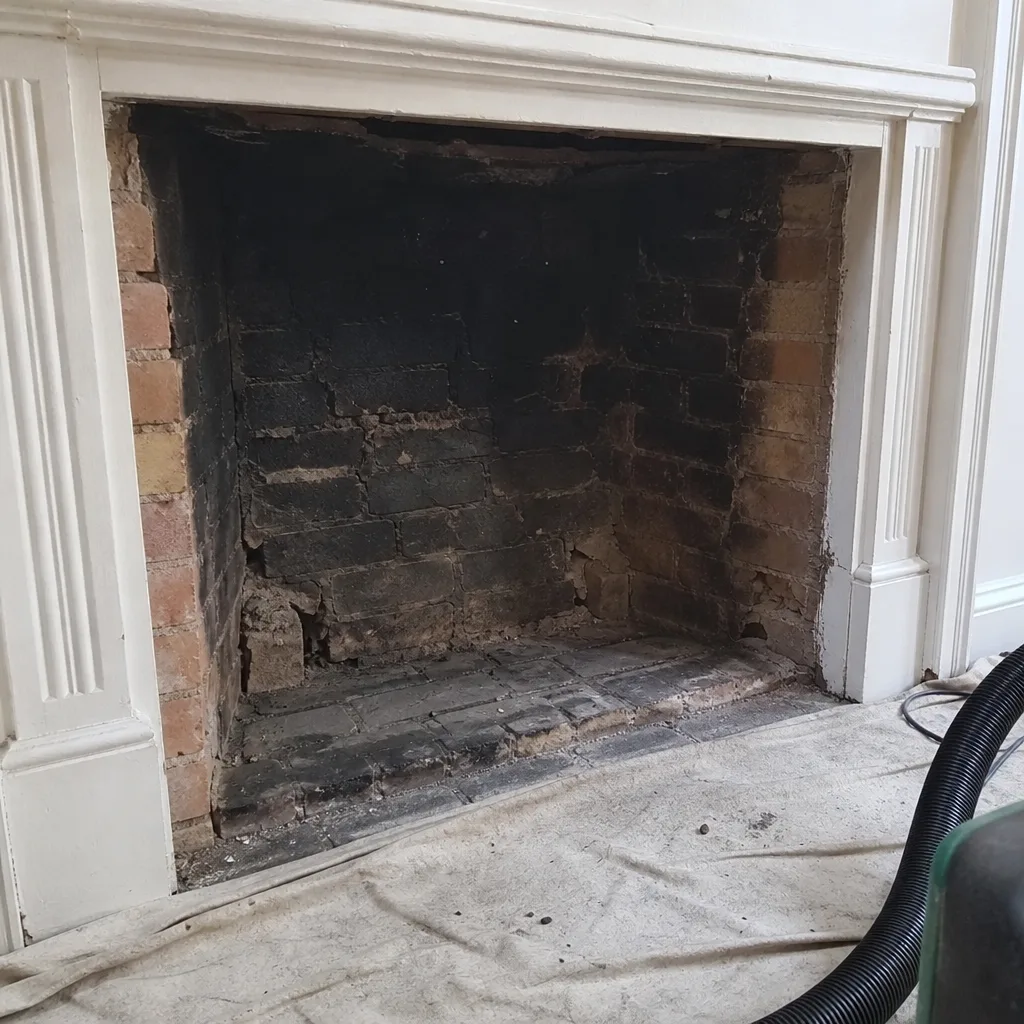 Before
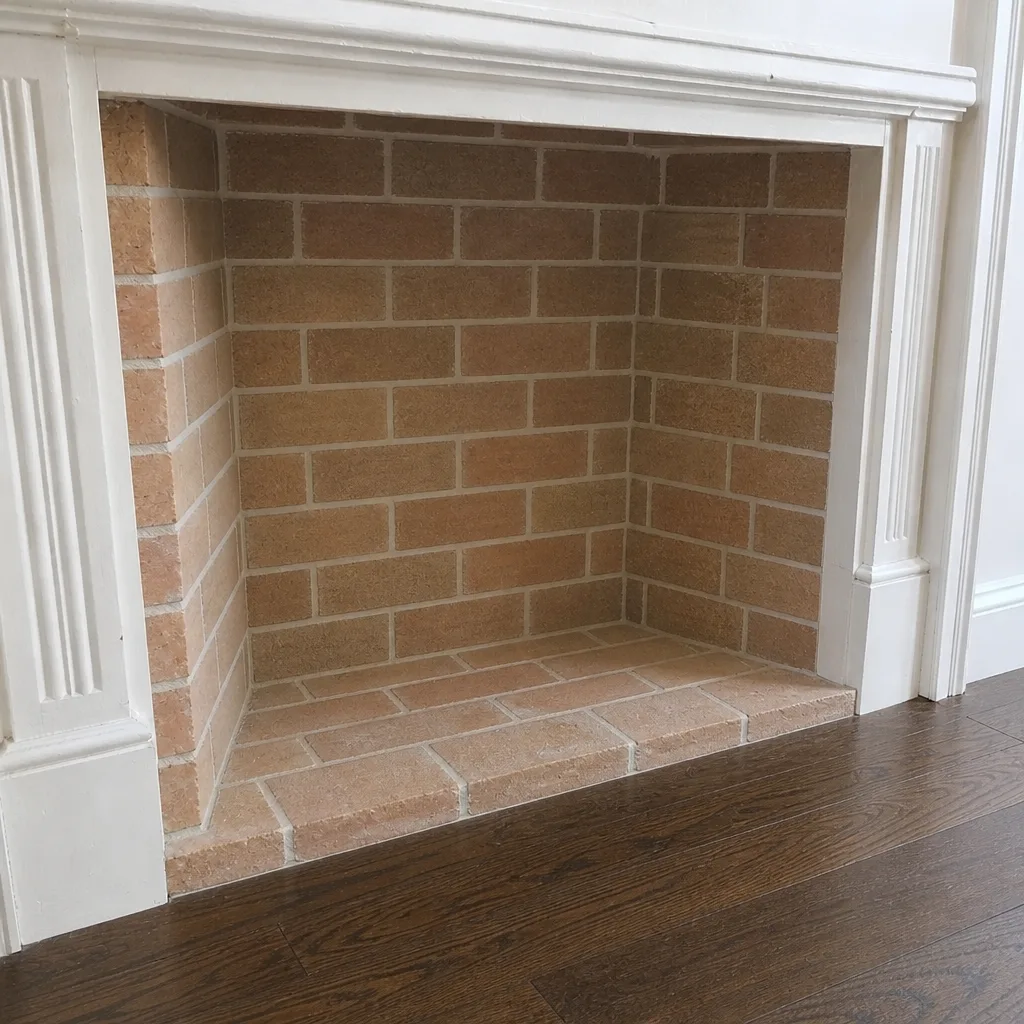 After
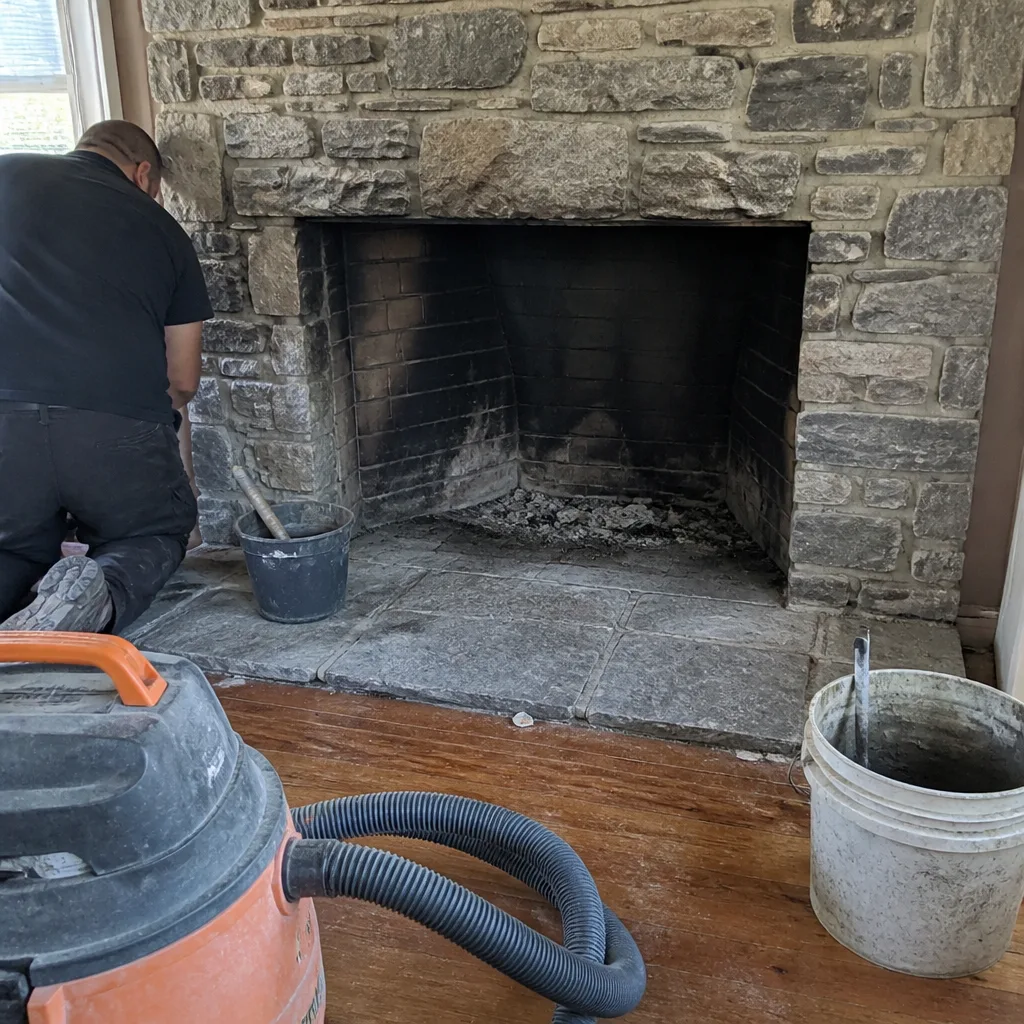 Before
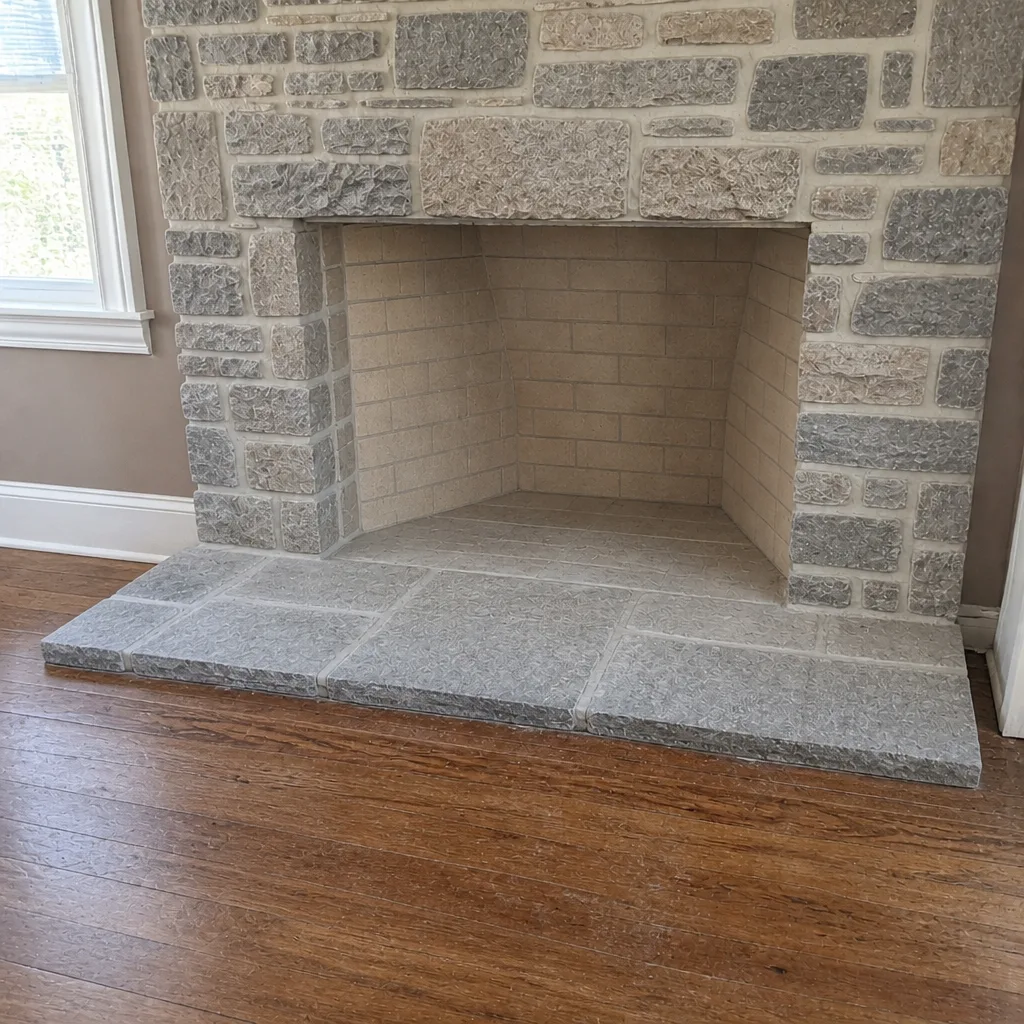 After