
Last updated November 22, 2026
 Sweep & inspection
 Caps & crowns
 Flue relining
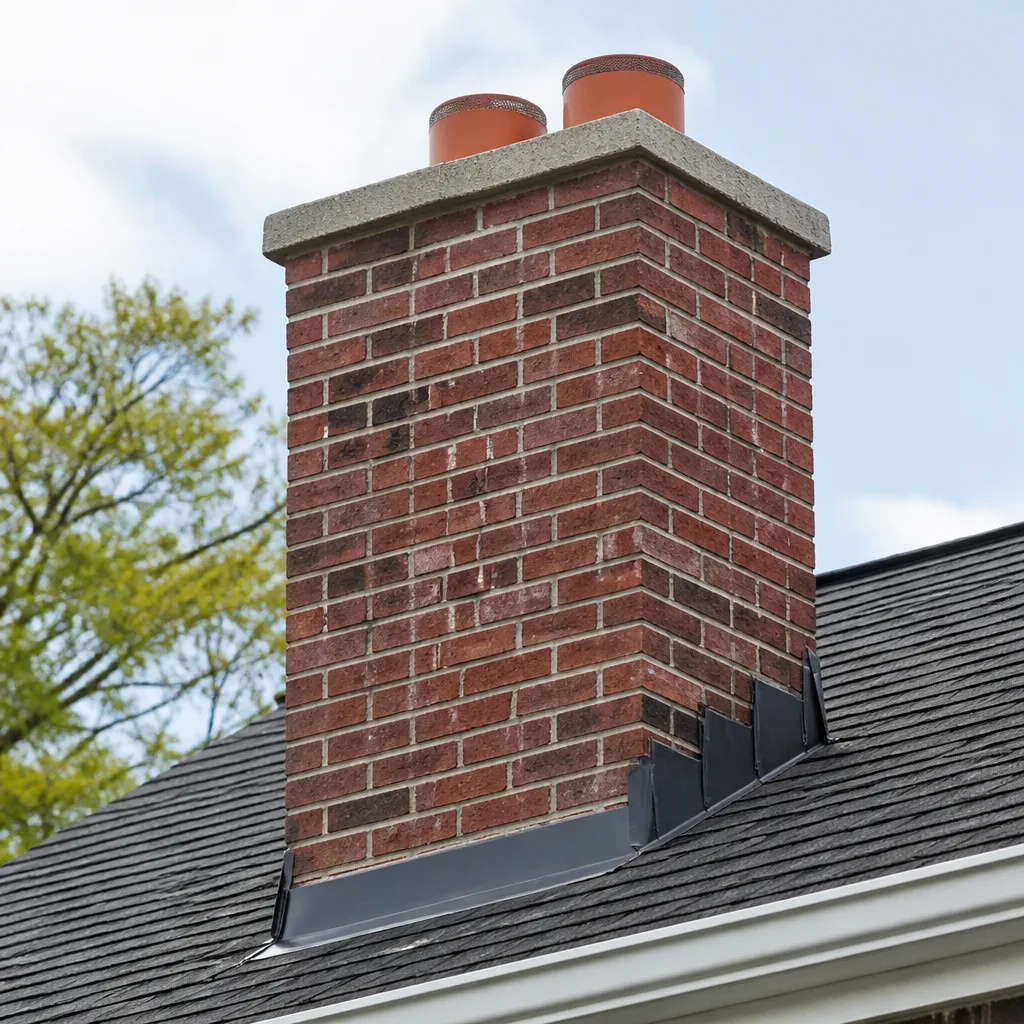 Masonry repair
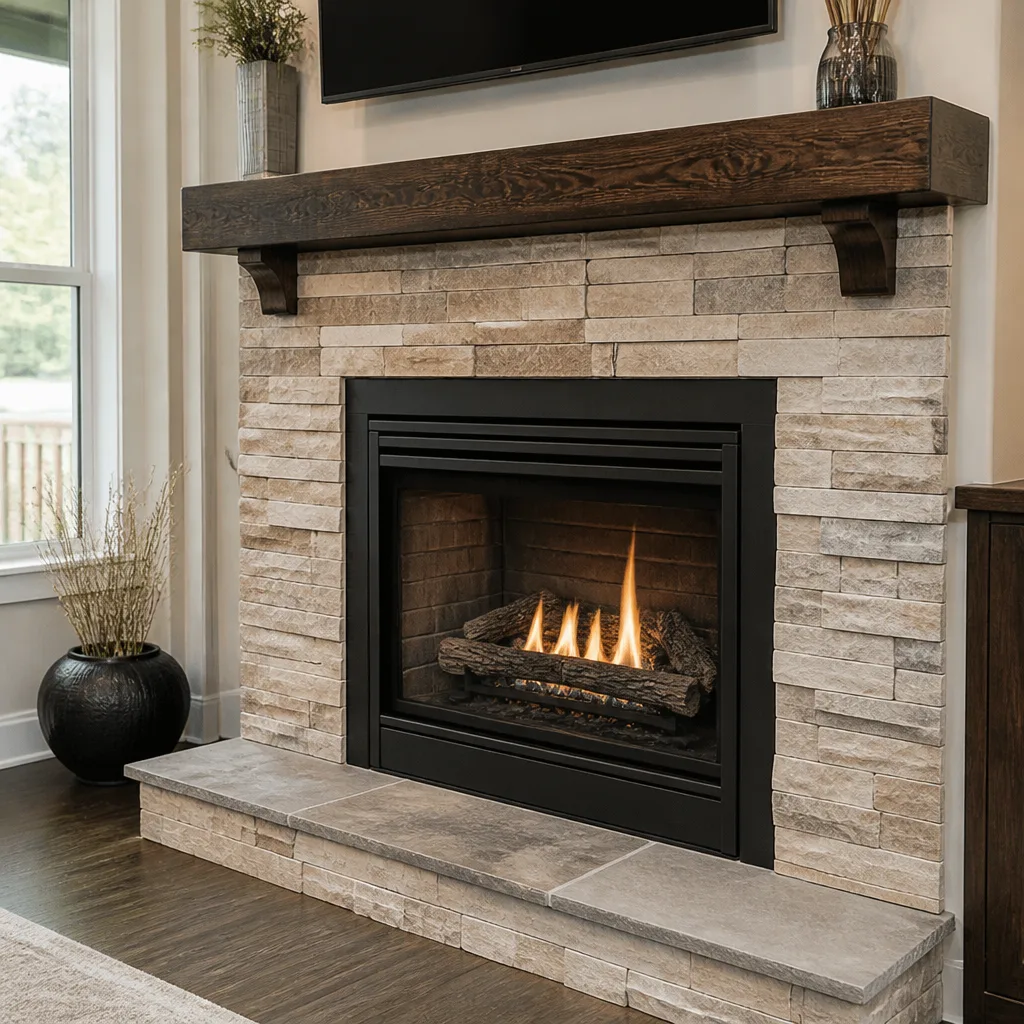 Gas fireplace service
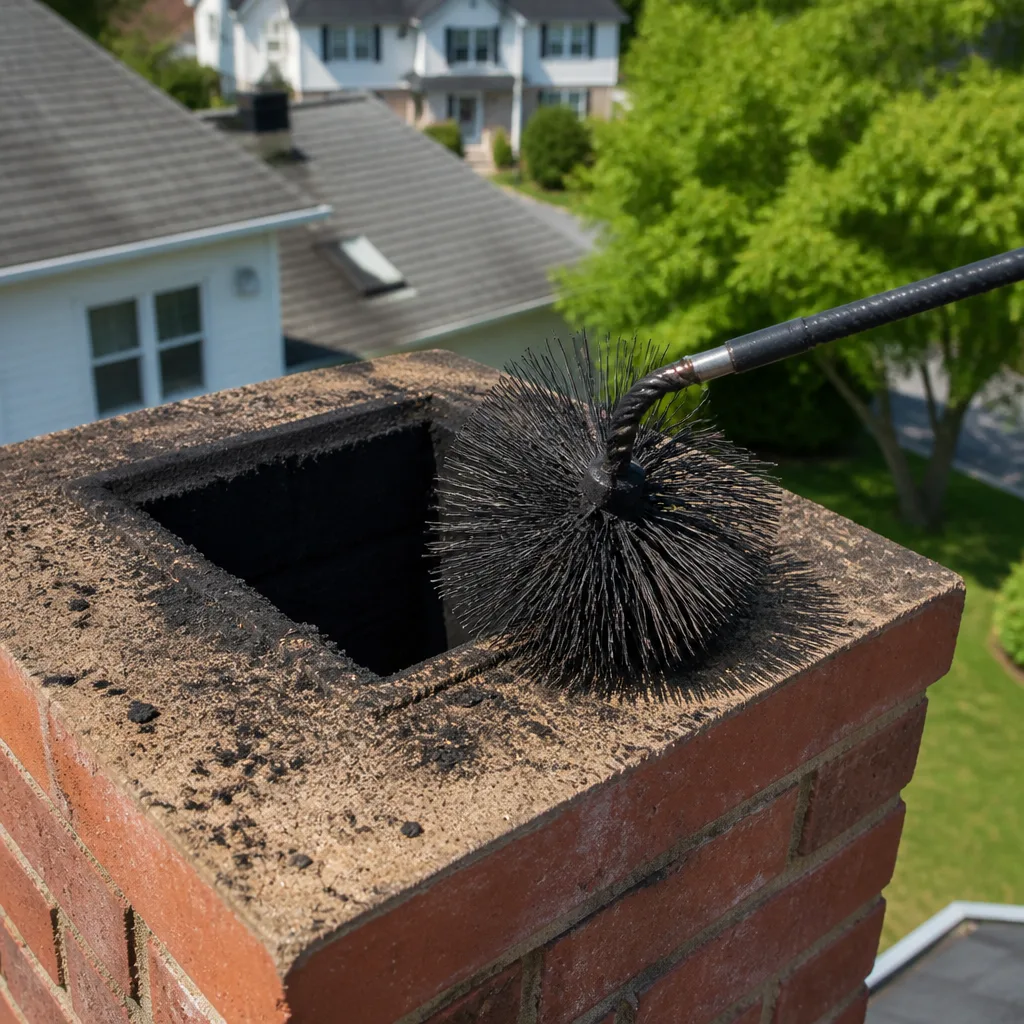
Level 1 sweep and inspection to the NFPA 211 annual standard - flue, crown, cap, and flashing checked and photographed
Chimney sweep logs do not sweep chimneys. They loosen some creosote - which then falls where a brush and vacuum still have to collect it.
How to Hire a Chimney Cleaning Contractor in Bay Ridge: A Step-by-Step Guide
Most people hiring a chimney professional in Bay Ridge compare three quotes and pick the middle one. That instinct is understandable, and it’s the reason so many homeowners end up paying for work they didn’t need, or discovering a cracked crown a year after the “cleaning” that was supposed to catch it. The real variable isn’t price. It’s whether the person on your roof is a certified chimney specialist or a general handyman whose service list happens to include the word “chimney.” Those are two very different operators with two very different levels of diagnostic skill, and the gap only shows up after something goes wrong. This guide walks you through the credentials to ask for, the questions that separate specialists from generalists, how to read a real estimate, and the Bay Ridge-specific red flags worth knowing before anyone climbs up.
Quick Answer
To hire a chimney cleaning contractor in Bay Ridge, verify three things before you book: current CSIA Certified Chimney Sweep status (or equivalent verifiable certification), a written inspection report with photos included in the visit, and a written itemized estimate for any repair before work begins. Ask specifically which liner systems and sealants they specify; a specialist names them, a generalist goes quiet. If the answer to “do you provide a written report” is no, keep calling.
Styles & brands we work with
- Sweep & inspection
- Caps & crowns
- Flue relining
- Masonry repair
- Gas fireplace service
Table of Contents
- Which credentials actually matter (and what each one tests)
- Questions that expose a generalist
- Brooklyn-specific red flags
- How to evaluate a quote
- What a proper inspection looks like
- Specialist vs. general contractor: the liability difference
- When to schedule in Bay Ridge
- A step-by-step hiring checklist
Which credentials actually matter (and what each one tests)
Two logos sit on a lot of contractor websites that mean two completely different things. A CSIA (Chimney Safety Institute of America) Certified Chimney Sweep credential is earned by passing a proctored technical exam covering combustion, draft, venting, and masonry construction, then maintaining it through continuing education and a code of ethics. A business directory listing is earned by entering a credit card number. Both can appear side by side on a homepage, and only one tells you anything about whether the person understands how your flue actually drafts.
Here’s what to look for and what each credential covers:
- CSIA Certified Chimney Sweep: The core credential. Verifies technical knowledge of venting systems, combustion safety, and chimney construction. You can confirm a sweep’s status through the CSIA directly rather than taking a badge on a website at face value.
- NFI (National Fireplace Institute) certification: Focused on the appliance side, meaning gas, wood, and pellet hearth products. Relevant if your question is about the fireplace or insert rather than just the flue. A contractor certified in both is equipped for the whole system, not half of it.
- Written inspection report capability: Not a credential in the formal sense, but a reliable proxy for one. A specialist produces documentation as a matter of course. A generalist often can’t, because the visit was never structured as an inspection in the first place.
- Liability insurance and workers’ compensation: Ask for a certificate of insurance before anyone goes on your roof. The local pro is licensed and insured as their state requires, and they should be able to prove it on request without hesitation.
One more credential worth understanding: the level of inspection. The industry uses a three-tier system, and a Level 1 inspection (visual, accessible areas, no tools) is what a routine sweep includes. A Level 2 adds a video camera scan of the flue and is what you want if you’ve changed appliances, bought the house recently, or had a chimney fire. Knowing these terms lets you ask for exactly what you need instead of accepting whatever the visit happens to cover. Our technicians have up to 11 years of experience, and we’ve seen how large the gap is between a documented Level 1 and a handshake at the door.
Questions that expose a generalist
You don’t need to interrogate anyone. Four or five specific questions, asked in a normal tone, will tell you within a minute which kind of operator you’re dealing with. The trick is choosing questions a generalist can’t answer convincingly without actually knowing chimney systems.
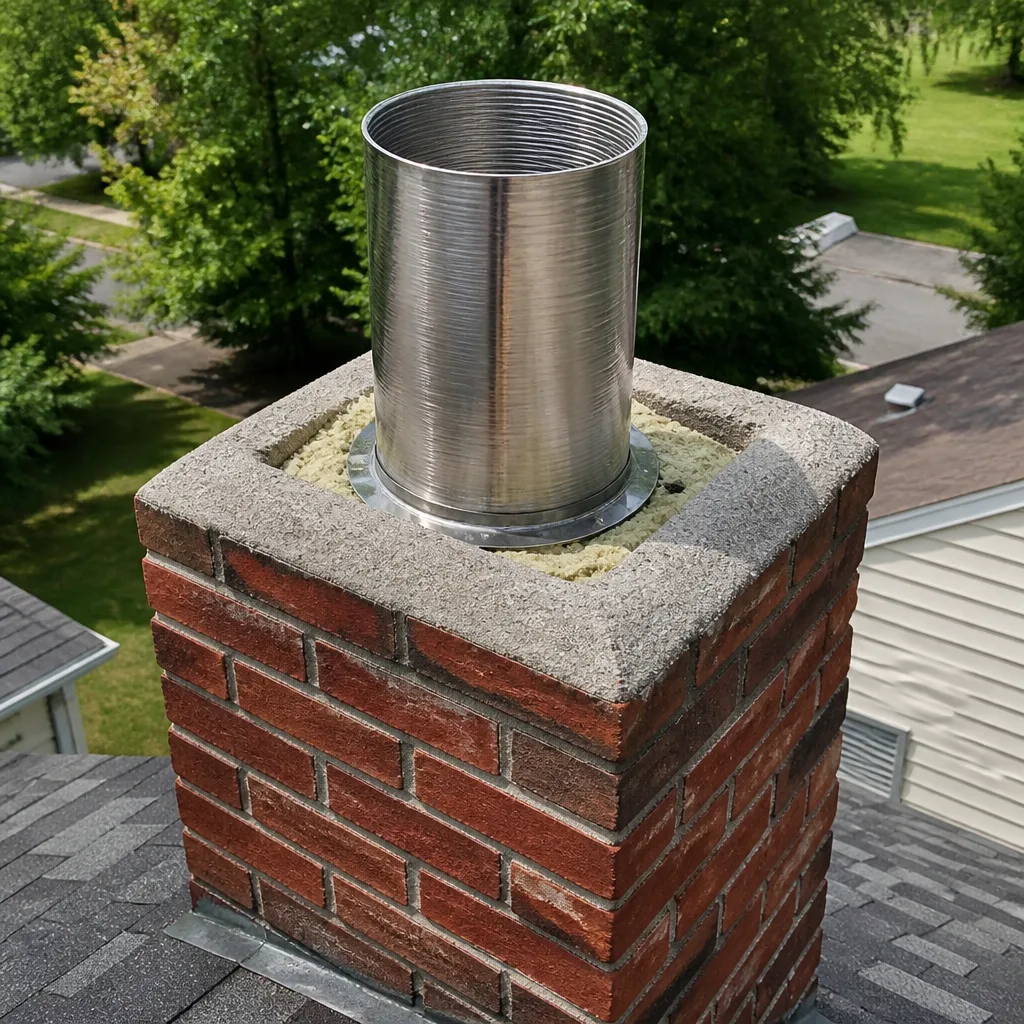
- “Which liner systems and sealant brands do you typically specify?” This is the single most revealing question. A dedicated chimney specialist names products the way a mechanic names parts: by brand, by application, and by reason. Generalists often stock nothing chimney-specific and default to whatever the local supply house carries. When we describe a repair, we can name HeatShield for restoring a cracked flue liner without a full reline, or DuraFlex for retrofitting chimneys with bends and offsets. A generalist’s answer is usually “we use what’s available” or “the standard stuff.”
- “What inspection level will you perform, and do I get the report?” A specialist answers in inspection-level terms and confirms a written report with photos. A generalist asks what you mean by inspection level.
- “What’s your process if you find a problem during the sweep?” The right answer involves stopping, documenting, and walking you through the evidence before any repair is discussed. The wrong answer is a phone call mid-job with a number attached.
- “Do you do the repair yourself, or sub it out?” A dedicated chimney company doing sweep, inspection, cap and crown, repair, and fireplace repair under one roof can answer this cleanly. A generalist says “we have a guy.”
- “Can I see your certificate of insurance?” Ask this early. The confident answer is yes, sent today. The uncomfortable pause is its own answer.
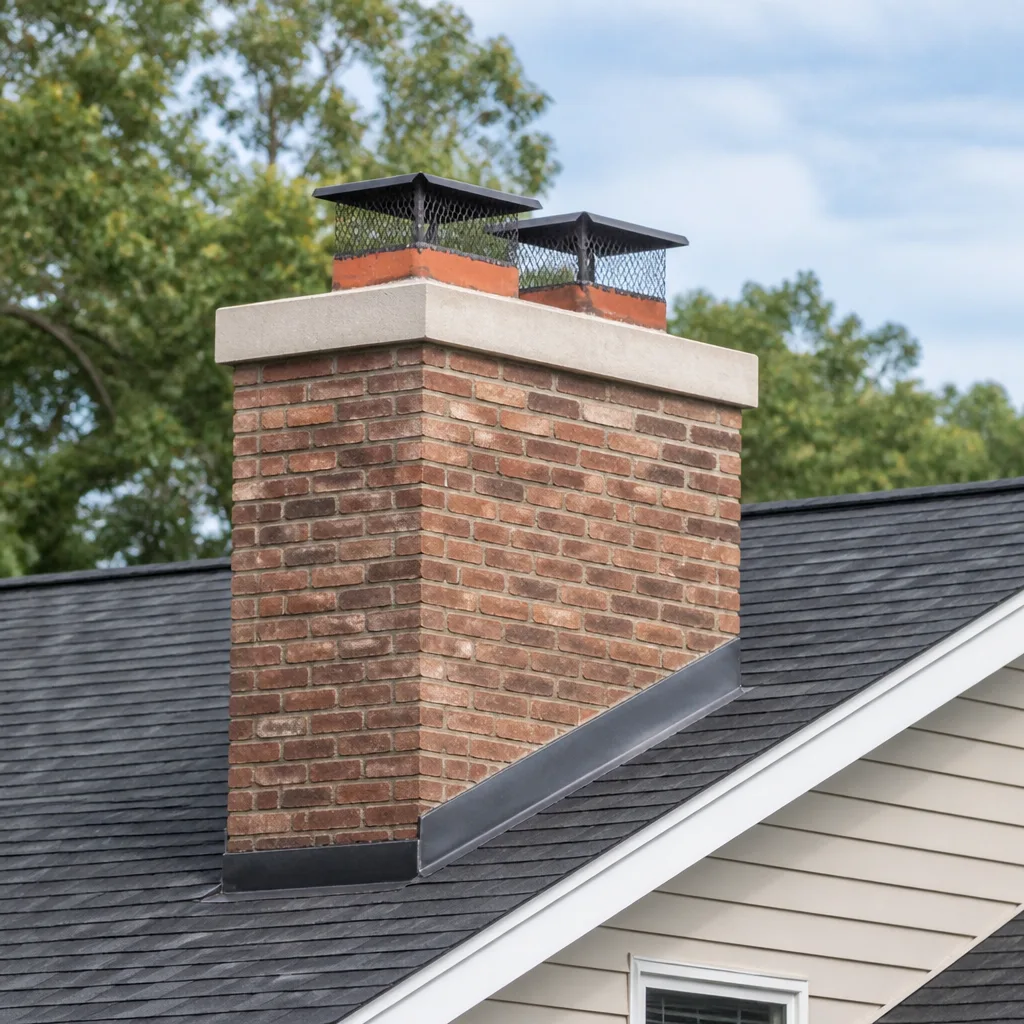
- “What does your cap work involve?” Caps and crowns are where water gets in, and it’s where specialists and generalists diverge most. A specialist describes the crown as a water-shedding surface with a specific slope and sealant system. A generalist describes “putting a cap on.”
Make the calls from your kitchen table, not under pressure at the door. If a contractor shows up unannounced selling a sweep, that’s not a hiring process; that’s a sales call.
Brooklyn-specific red flags
Brooklyn has its own chimney-hiring ecosystem, and some of the warning signs here are more common than in other parts of the country. Watch for these:
- No verifiable physical address. A phone number and a website, with nothing behind them, makes it nearly impossible to hold anyone accountable if a job goes wrong after the invoice clears. Look for a business you can confirm exists at a fixed location, even if the crew meets you at your door.
- Cash-only pricing. Cash payment isn’t automatically bad, but cash only, with no written invoice or paper trail, removes your ability to document what was done if you later sell the home or file a claim. A written estimate followed by a written invoice is the standard.
- No written inspection report offered. In a rowhouse-dense borough like Bay Ridge, where chimneys are often shared, party-wall, or working alongside neighboring flues, documentation matters more than usual. If the only deliverable is a verbal “you’re all set,” you’ve learned nothing about your system.
- Unrequested upsells mid-sweep. A specialist documents and recommends; it doesn’t escalate on the spot with no photos. Being told you need thousands of dollars of liner or masonry work you can’t verify is the exact hesitation this guide is built to resolve. Nothing should be recommended without camera evidence you’ve seen for yourself.
- Bundled “whole-system” pricing with no line items. If the quote is one number with no breakdown, you can’t tell what you’re paying for or compare it to anything.
- No mention of the flue at all. A chimney sweep who talks only about the firebox has skipped the part that carries the smoke out. Your flue is the system.
None of these are proof of a bad contractor on their own. Together, they describe a pattern: someone who’s optimizing for the invoice rather than for your chimney’s actual condition. A dedicated Bay Ridge chimney specialist will pass every one of these screens without effort.
How to evaluate a quote
Three quotes for the same job, three different numbers, and no obvious reason why. The answer is usually in what each one assumes about your unknown conditions. A legitimate itemized estimate breaks out the visible work; a flat-fee quote often bundles the unknowns into a single figure and settles the difference with change orders later.
Here’s what a properly itemized estimate should separate:
- Inspection and sweep as line items: These should appear separately from any repair, with the inspection level stated.
- Camera evidence and a written report: Listed as included, not optional. If a company charges extra for this, ask why.
- Repair scope with materials: A line for the flue restoration or reline, with the system named (for example, HeatShield ceramic resurfacing versus a DuraFlex flexible liner), plus a line for the cap and crown if those are part of the scope.
- Contingency language: A real estimate says what happens if the camera finds something worse than expected, and gives you a written range rather than a surprise call. Typically, that’s a new estimate, approved before work continues.
- What’s excluded: The honest quotes list exclusions. The suspicious ones don’t, because there are always some.
Compare quotes on their scope and their evidence, not their total. A quote that’s $200 higher because it includes a proper Level 2 camera inspection and a written report is a bargain compared to one that leaves the flue unexamined and hands you a verbal summary. Prices for the work itself are set per job by a written estimate, and a free estimate should leave you holding a document you can actually compare.
What a proper inspection looks like
An inspection is the honest starting point of any chimney visit, not a sales funnel. The right process runs in a specific order, and it ends with you knowing more than you did when the technician arrived.
- Review of the system as a whole: Appliance type, venting configuration, and any history you can provide. In Bay Ridge’s older rowhouses, this conversation often surfaces details about previous work or shared flue arrangements that matter.
- Exterior look at the top: Cap, crown, flashing, and the chimney stack itself. Water intrusion almost always starts here, at the crown or the cap, and those are the two points a proactive specialist checks first because they’re the ones that fail first.
- Firebox and damper: Visible condition of the firebox, damper operation, and creosote accumulation at the smoke chamber.
- Flue scan with a camera, where a Level 2 is called for: This is what separates a real inspection from a glance. Cracks, gaps at flue tile joints, and offset configurations show up here and nowhere else.
- Written report with photos. The camera frames get shared with you. You see what the technician saw. If a liner or masonry repair is on the table, the evidence for it is in your hands and you can look at it yourself, at your own pace.
- Repair recommendation, with timing. Some findings can safely wait a season. Some shouldn’t. A specialist will tell you which is which, and a good one will say plainly when you don’t need anything done yet.
That last point matters. A chimney system isn’t in a perpetual state of crisis, and a technician who documents a clean bill of health is doing their job just as well as one who documents a failing crown. If you’re ever told you need a full reline, ask to see the camera frames of the failed section. That’s a fair request, and a specialist will welcome it.
Specialist vs. general contractor: the liability difference
This is the point most hiring guides skip, and it’s the one that costs people the most when something goes wrong. Suppose a sweep cleans your flue, finds nothing worth mentioning, and three months later a chimney fire damages the flue liner. Who’s responsible? The answer depends entirely on what the contractor was qualified and contracted to look for.
A general handyman or HVAC contractor offering “chimney cleaning” as an add-on is scoped to a cleaning. Their inspection is typically a visual look down the flue with the level of detail you’d expect from someone whose primary trade is elsewhere. Their insurance may not cover chimney-specific repair work at all. If a problem surfaces afterward, the conversation becomes one about whether the work was ever within the contractor’s scope, and that’s a conversation nobody wins.
A dedicated chimney specialist doing the full continuum of work, from sweep through inspection through cap and crown work, chimney repair, and fireplace repair, carries responsibility for the whole system and has the coverage and the process to back it up. They document what they saw, they specify the products they’ll use, and they’re the same company handling the follow-up. That continuity is where accountability lives. When the inspection, the recommendation, and the repair all come from one source, there’s no handoff gap where a defect falls through.
This is exactly why we don’t offer roofing, HVAC, or general masonry. We handle chimney and fireplace systems, and only those, which means the person diagnosing your flue is the person who’s been diagnosing flues and nothing else. For a system that carries combustion gases and sits above people’s heads, that distinction is worth insisting on.
When to schedule in Bay Ridge
The best time to book a chimney sweep in Bay Ridge is before you need the fireplace, not after. The seasonal rhythm here is straightforward: as temperatures drop and the first fires get lit, demand for sweeps rises sharply, and anyone worth hiring books out further ahead. If you wait until you’re ready to burn, you may be waiting longer than you’d like.
Schedule the sweep and inspection in the shoulder season, when the calendar has room and the technician has time to do a careful inspection rather than a hurried one. If you’re buying a home, put the inspection on the pre-purchase list alongside the other systems; a Level 2 camera scan is the right call for a house you don’t yet have history with. If you’ve had a chimney fire, or smelled one, don’t schedule around a convenient date. Get it inspected promptly.
On timing within a job: a routine sweep and inspection is a single visit. Repairs are quoted from the evidence and booked once you approve the itemized estimate. Nothing gets ordered or installed on the same visit unless you’ve approved it in writing. That’s not a limit; it’s how you stay in control of the work.
For scheduling, call (855) 551-0049. We answer 24/7, and fast dispatch from 7am to 7pm runs Sunday through Friday.
A step-by-step hiring checklist
Use this in order. Each step screens out the wrong kind of contractor before the next one begins.
- Confirm certification. Ask for current CSIA Certified Chimney Sweep status and check it. Add NFI certification if your fireplace or insert is the main concern.
- Ask for the certificate of insurance. Liability and workers’ compensation both. Confirm it arrives before the visit is scheduled.
- Ask the liner and sealant question. “Which liner systems and sealant brands do you typically specify?” A specialist names them and explains why. A generalist can’t.
- Confirm the inspection level and the report. Written report with photos, every visit, included in the estimate.
- Request the estimate in writing. Itemized, with materials named and scope clear. Free estimate, no obligation.
- Ask about evidence for any repair. “If you recommend work, will I see the camera frames before I decide?” The answer must be yes.
- Get the timing question answered. “Is any of this urgent, or can it wait a season?” A specialist gives you a clear answer to that, and stands by it.
If a contractor fails on steps one through four, stop there. No estimate is worth an unverified operator when the system in question carries combustion gases out of your home. This is the sequence to follow whether you’re hiring us or anyone else in Bay Ridge, and if a company clears every step, you’re in good hands regardless of which one you pick.
Common Mistakes to Avoid
- Treating a business directory listing as a credential. It isn’t. It’s an ad. The CSIA certification is the credential to verify, and the two are not interchangeable.
- Accepting a verbal summary instead of a written report. In a Borough full of older rowhouses with varied venting arrangements, you want documentation you can refer back to, share with a future buyer, or use to compare years. Verbal fades.
- Picking the lowest quote without comparing scope. A low quote that leaves the flue unexamined is the most expensive option on the table.
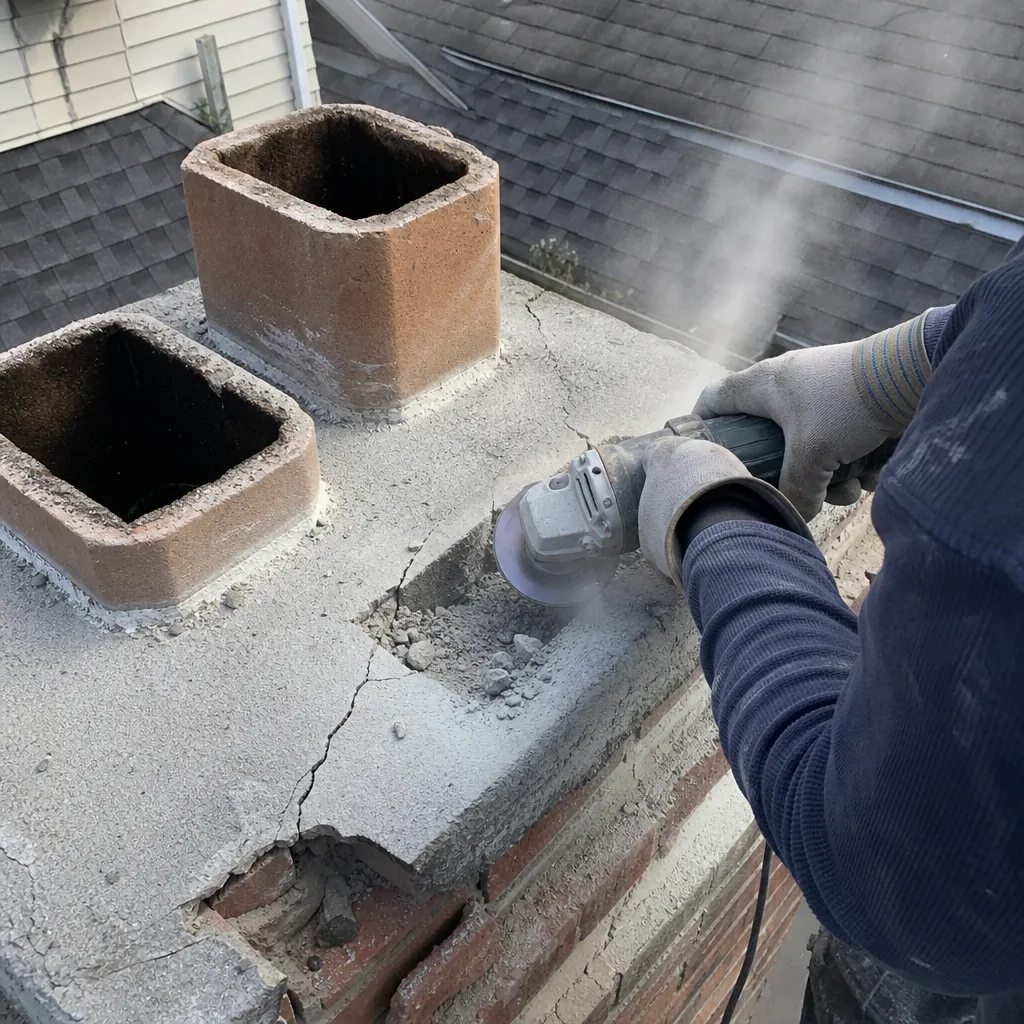
- Letting a generalist handle cap and crown work. These are the two most common water-intrusion points on the entire system, and they get rushed by contractors who see them as a side job. A failed crown lets water into the masonry; that’s where a dedicated specialist’s focus pays off.
- Approving repairs without seeing the evidence. If you’re being told a liner or masonry repair is needed, ask for the camera frames. Being unable to verify recommended work is the single biggest source of mistrust in this trade, and a specialist should resolve it without being asked.
- Skipping the inspection because you only wanted a sweep. The sweep is the cleaning; the inspection is the diagnosis. A booking that does one without the other is only half the visit.
- Waiting until the first cold snap. Bay Ridge residents all reach for the phone at the same time. Book in the shoulder season and avoid competing with everyone else on the calendar.
See the difference
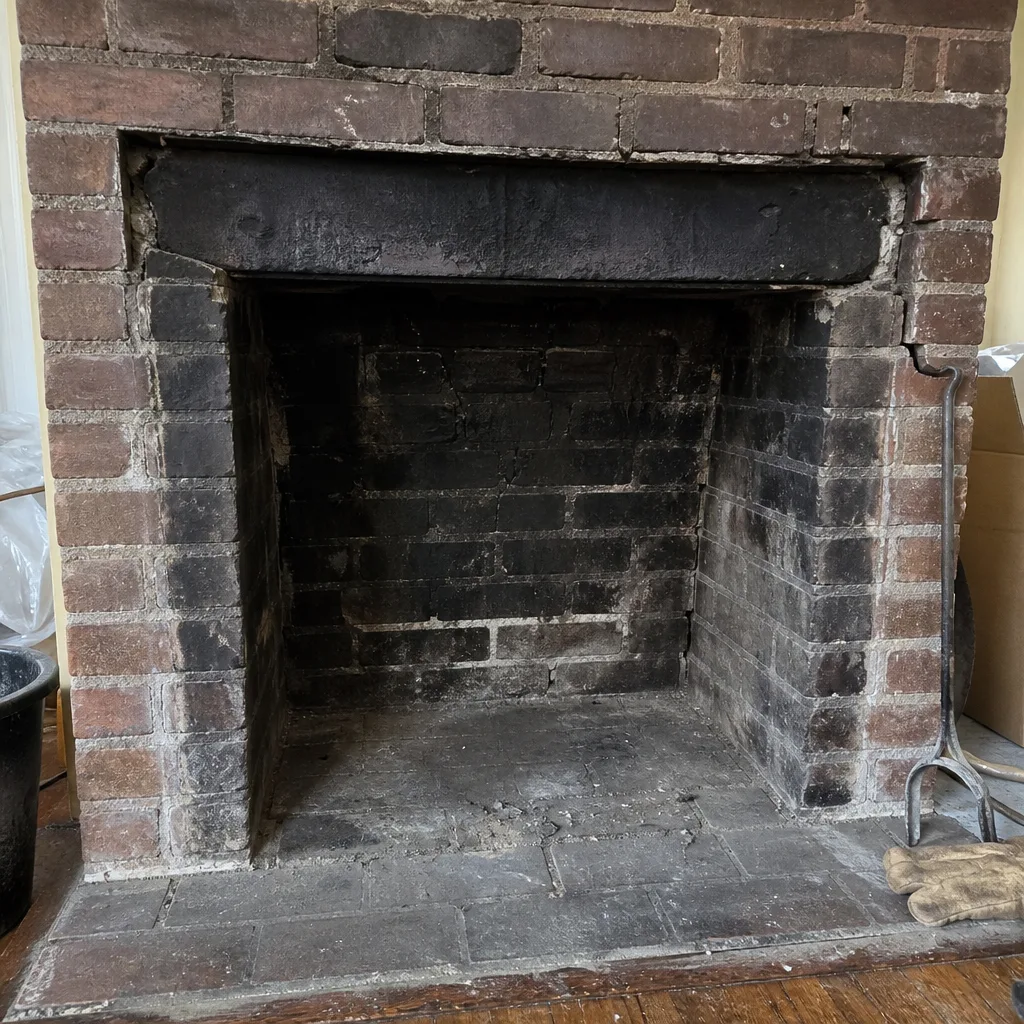 Before
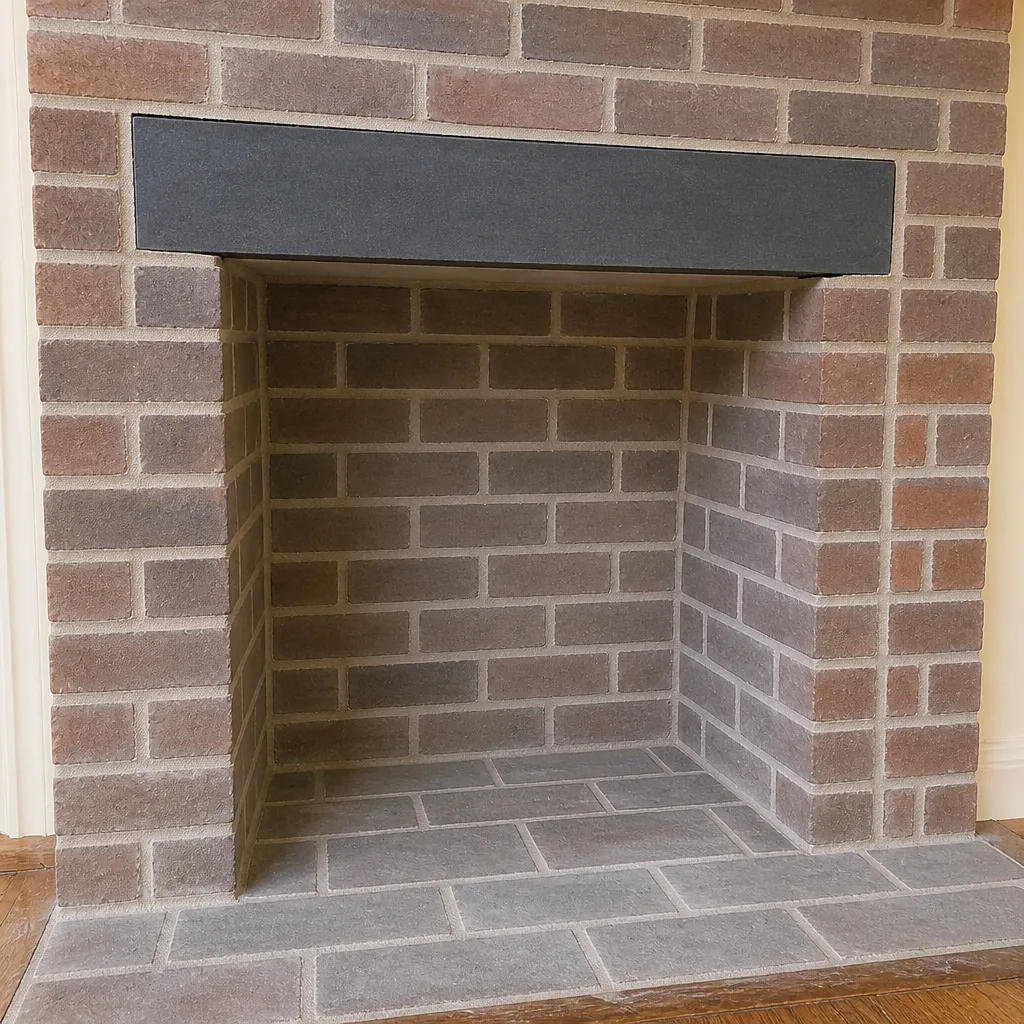 After
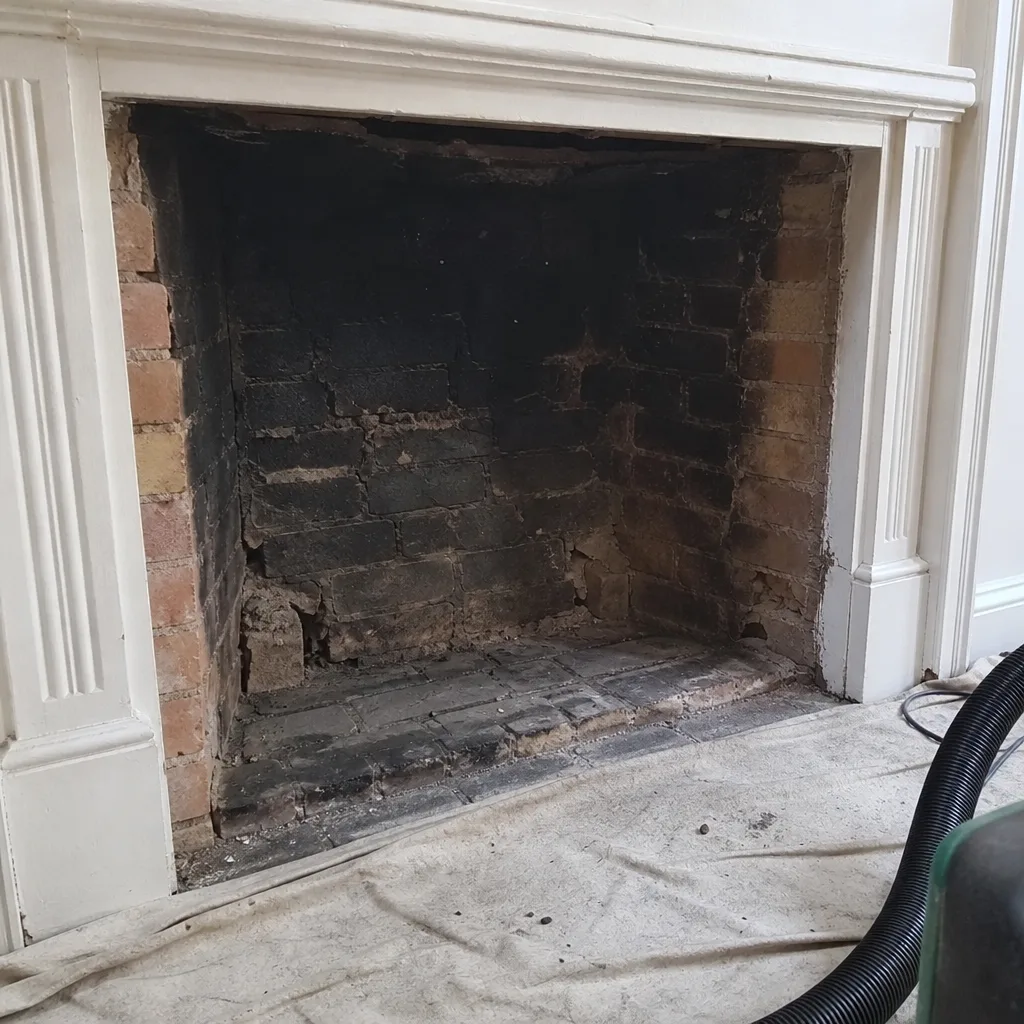 Before
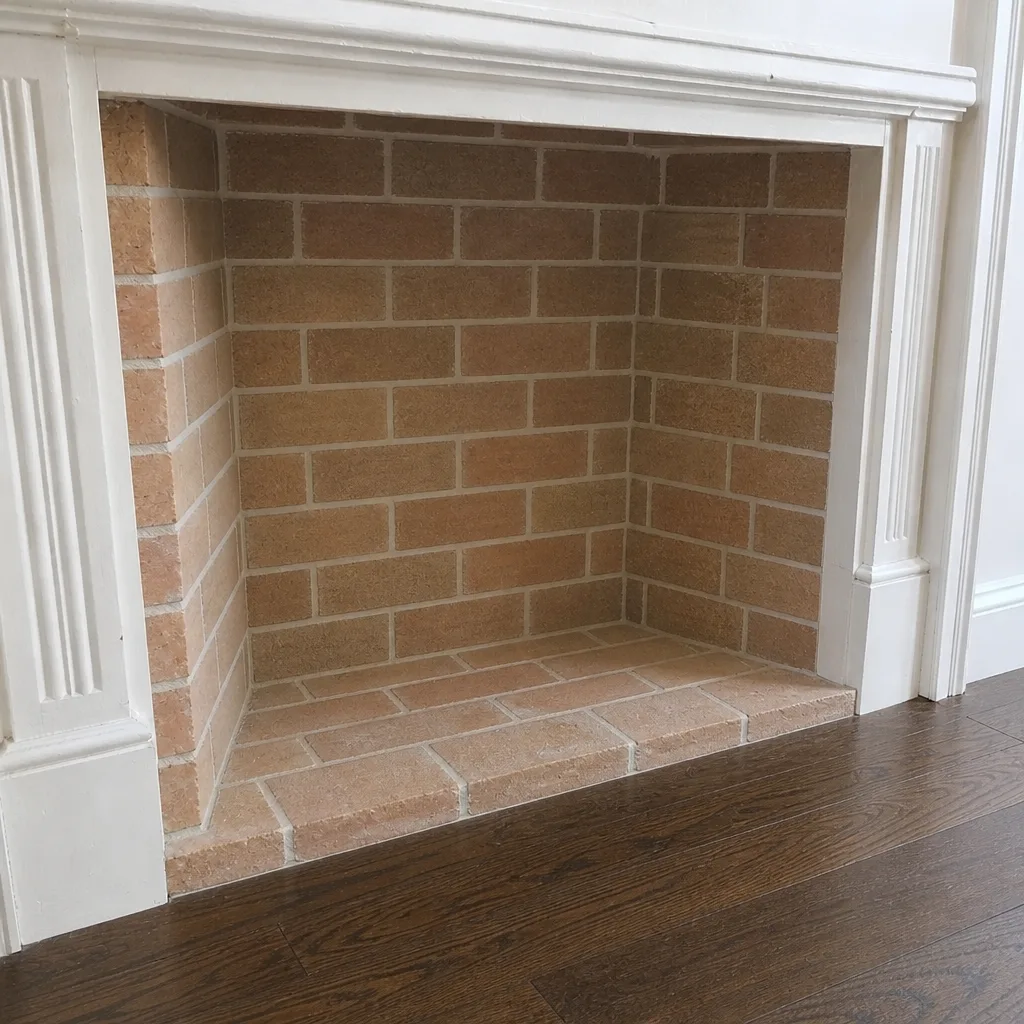 After
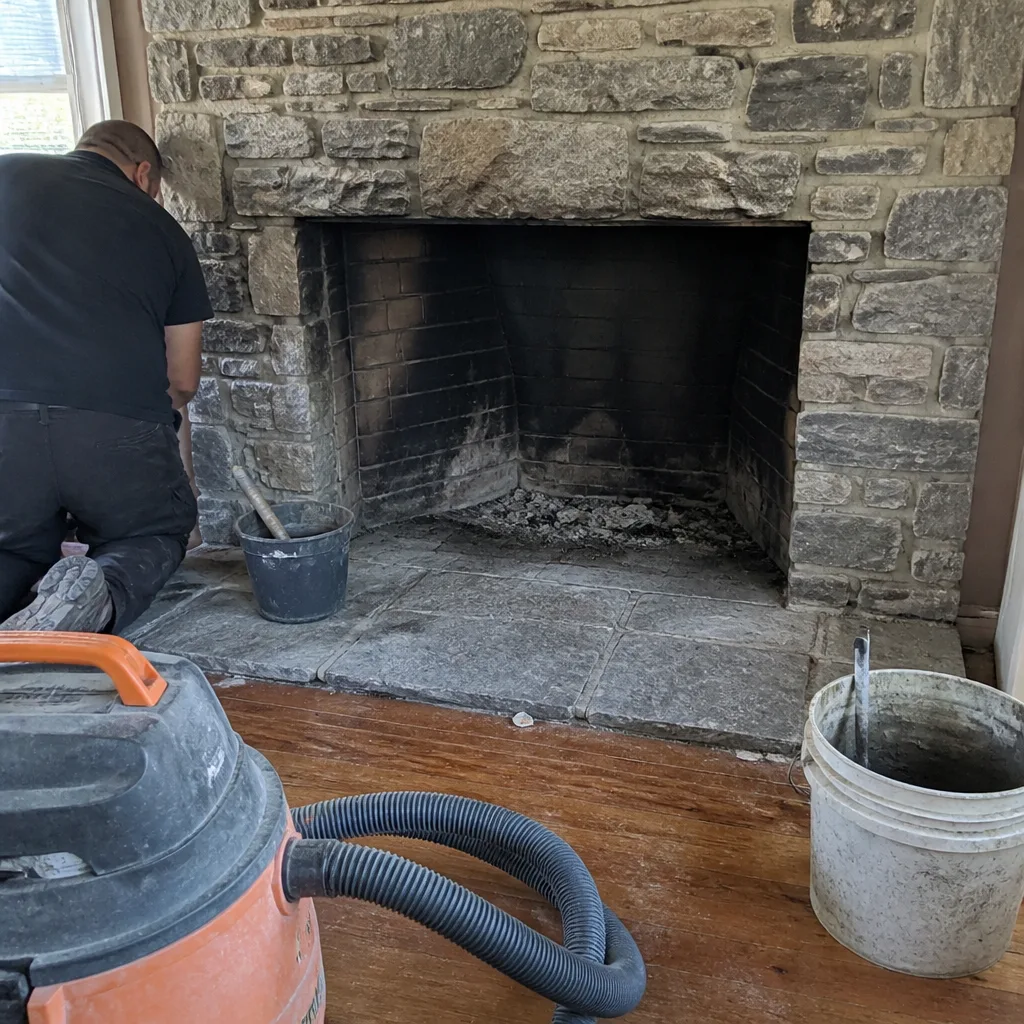 Before
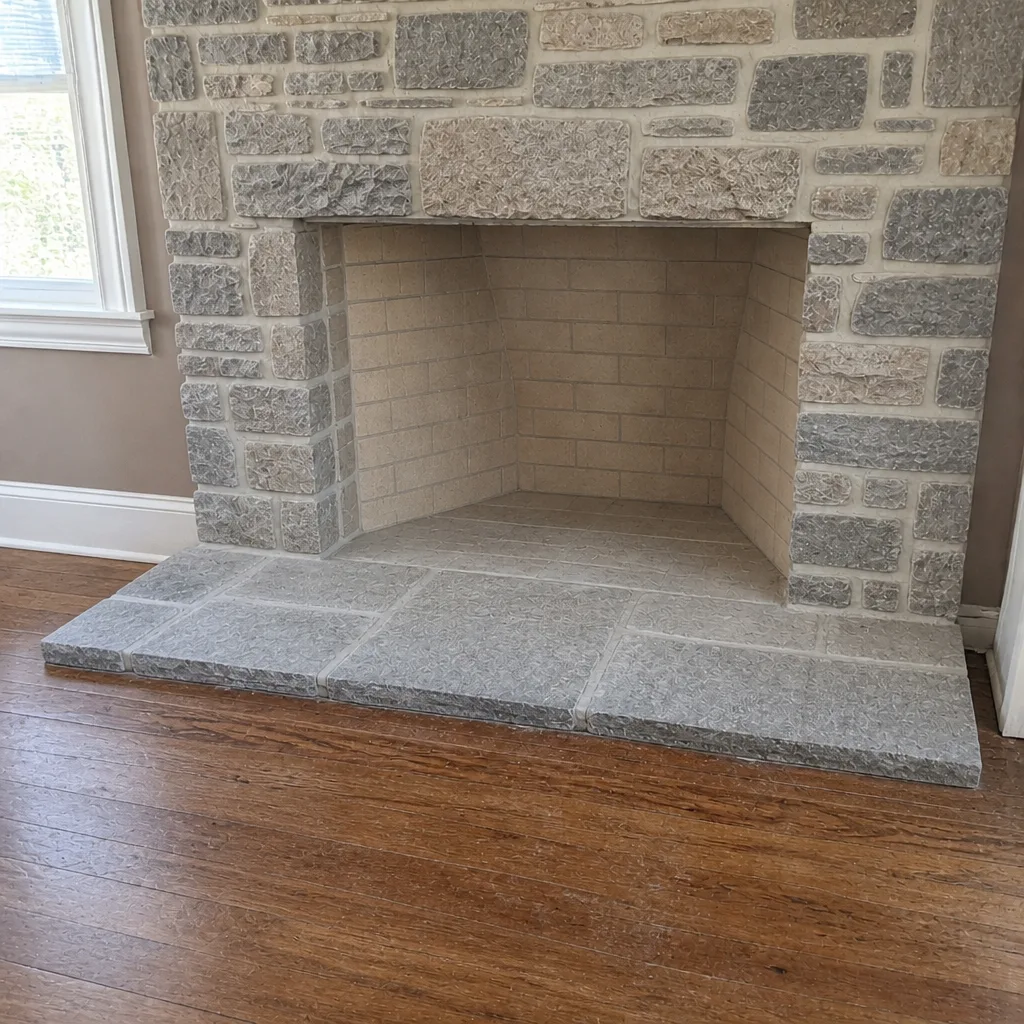 After
When to Call a Professional
Some jobs are routine and some aren’t, and it helps to know which is which. Call a professional if your fireplace is producing smoke that doesn’t draft cleanly, if you smell a strong creosote or burning odor outside of a fire, if you’ve had a chimney fire or suspect one, if your cap or crown shows visible cracks or missing pieces, or if you’ve just bought a Bay Ridge property and don’t yet know its chimney history. If it’s simply been a season or two since the last sweep, that’s a routine call too, and the right time is before you start burning again. Anything involving a flue that hasn’t been camera-inspected is worth a proper look, and nothing is recommended without evidence you can see. Chimney Sweep Bay Ridge offers free estimates in Bay Ridge, so call (855) 551-0049 and we’ll walk through what your system needs.
Frequently Asked Questions
Ask two questions: which liner systems and sealant brands they specify, and whether they provide a written inspection report with photos. A specialist answers both without hesitation and names specific products (HeatShield, DuraFlex, Olympia Chimney, Gelco, Famco, Copperfield among the brands we work with). A generalist goes vague on both. Certification from CSIA and NFI is the formal layer; these questions test for the working knowledge underneath it. If a contractor fails either, keep looking.
CSIA Certified Chimney Sweep status is earned by passing a proctored technical exam covering combustion, draft, venting systems, and masonry construction, then maintained through continuing education and a code of ethics. It’s a knowledge credential, not a business license, which is why it tells you something a directory listing can’t. You can verify a sweep’s status directly through the CSIA rather than relying on a badge on a website.
Not necessarily. A flat fee for the sweep itself is fine, as long as inspection findings and any repair are quoted separately and in writing. The problem is a single bundled number that folds unknown repairs into the sweep before anyone has seen the flue. Ask for the sweep and inspection as one line, and any repair as a separate itemized estimate once the evidence exists. That structure tells you what you’re actually paying for.
It should break out the inspection (with level stated), the sweep, and any repair as separate lines, with materials named. It should confirm that the camera inspection and written photo report are included, not add-ons. It should say what happens if the camera finds something worse than expected, and it should list what’s excluded. A flat estimate with no line items is a number without a scope. Call (855) 551-0049 for a free estimate that breaks the work down honestly.
Not every visit needs one, but a Level 2 camera scan is what you want if you’ve just bought the home, changed appliances, or had a chimney fire. A routine sweep includes a Level 1 visual look at accessible areas, which is a different level of detail. If you’re unsure which you need, ask the contractor to explain the difference and recommend based on your situation, then show you the report from whichever level they perform. A specialist will talk this through plainly.
Cleaning services are often offered by generalists, but the question that matters is what they’re qualified and insured to diagnose. A handyman offering chimney cleaning as an add-on typically performs a visual check, may not carry chimney-specific insurance, and isn’t necessarily certified to inspect the flue at the level a specialist is. For the cleaning alone, the credential to verify is still CSIA or equivalent. For anything involving the flue liner, crown, or masonry, hire a dedicated chimney specialist. Call (855) 551-0049 to talk through what your system needs.
The Bottom Line
The hiring decision in Bay Ridge comes down to one distinction: a certified chimney specialist versus a general contractor who added the service. Verify CSIA and, where it applies, NFI certification. Ask the liner-and-sealant question and listen for specific answers. Insist on a written inspection report with photos and an itemized estimate before any repair. Watch for the Brooklyn red flags (no physical address, cash-only pricing, no written report, unrequested mid-sweep upsells). And remember that the specialist who documents evidence you can verify is doing their job; the one who can’t isn’t. Book before the season, compare scope rather than price, and don’t approve work you haven’t seen the evidence for.
If you’d like a straight answer about your own system, call Chimney Sweep Bay Ridge at (855) 551-0049 for a free estimate. We answer 24/7, and fast dispatch from 7am to 7pm runs Sunday through Friday. The local pro is licensed and insured as their state requires, the estimate sets the price with a flat-price sweep agreed before booking, and nothing gets recommended without camera evidence you can see for yourself. Learn more about our chimney sweep, our chimney cap & crown work, and our chimney repair, or start with the main page at Chimney Sweep Bay Ridge.
Written by the team at Chimney Sweep Bay Ridge.