
Last updated November 22, 2026
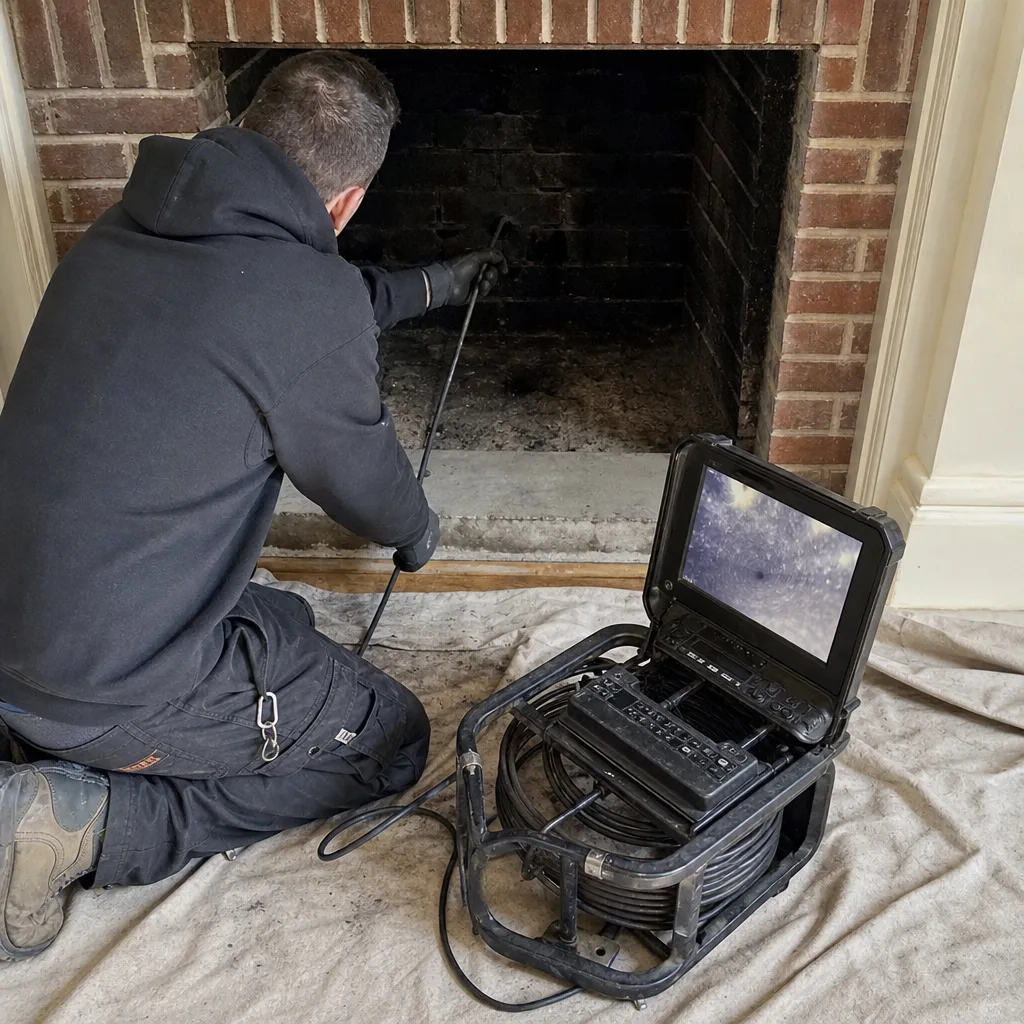
 Sweep & inspection
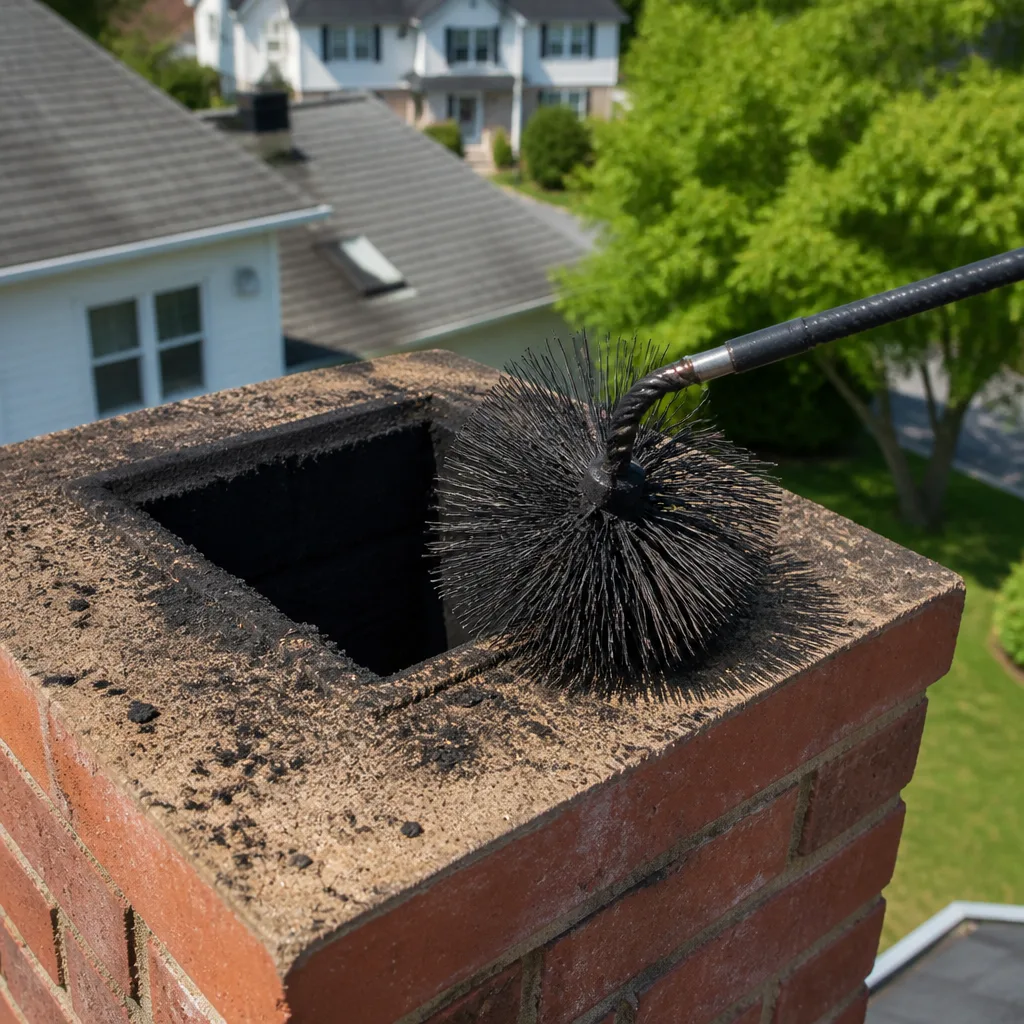
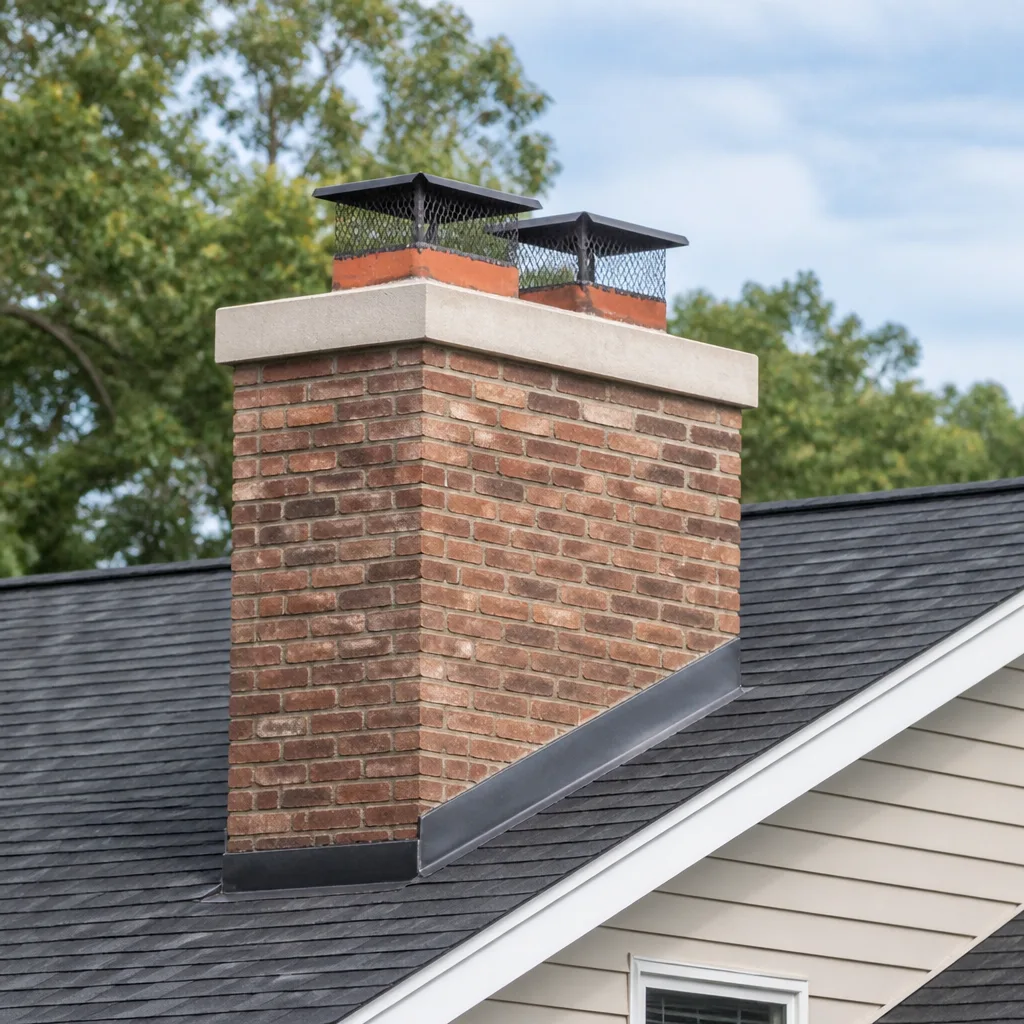 Caps & crowns
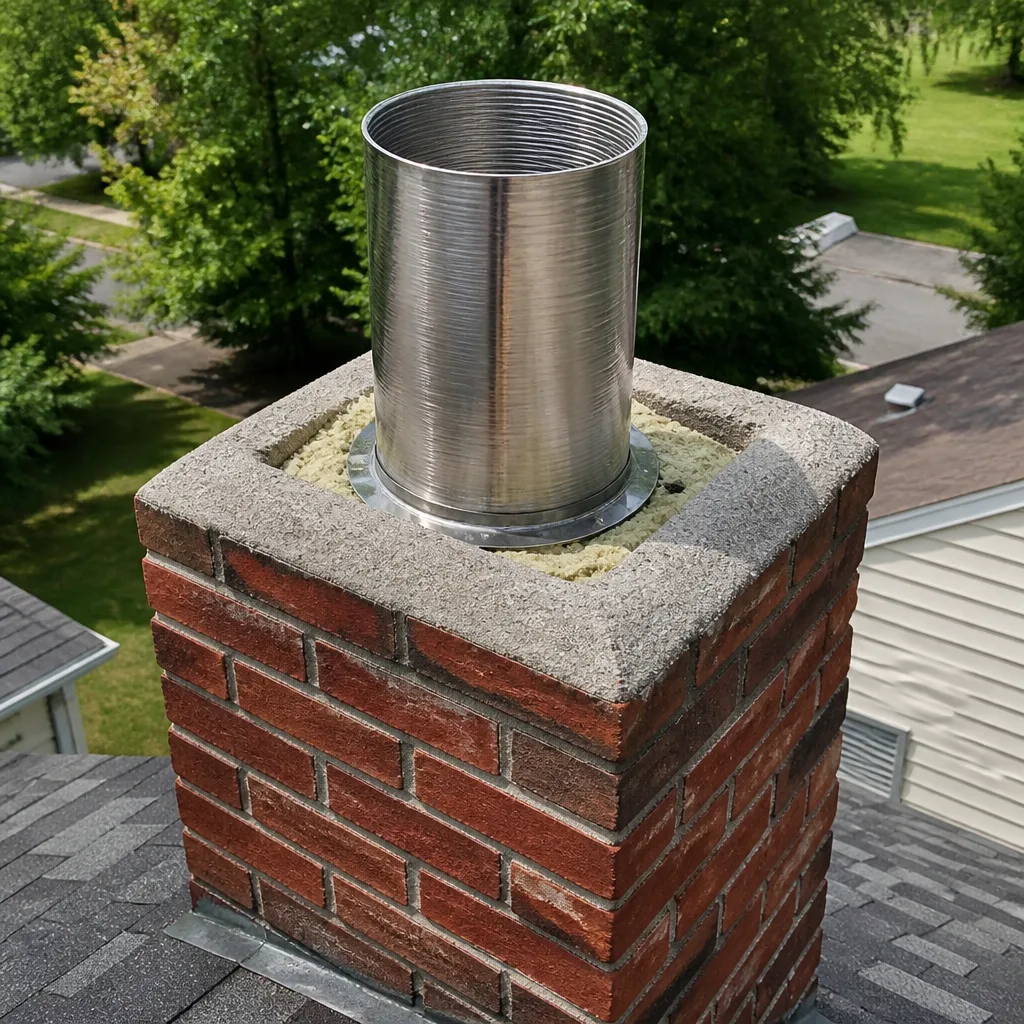 Flue relining
 Masonry repair
 Gas fireplace service
Level 1 sweep and inspection to the NFPA 211 annual standard - flue, crown, cap, and flashing checked and photographed
Chimney sweep logs do not sweep chimneys. They loosen some creosote - which then falls where a brush and vacuum still have to collect it.
Chimney Sweep Troubleshooting in Bay Ridge: Common Problems and How to Fix Them
If your fireplace smokes back into the room only on windy days, the problem probably isn’t your flue. It’s your chimney’s height relative to Bay Ridge’s roofline and the pressure dynamics that come with it. That’s the trap most homeowners fall into: they research the symptom, buy a fix for the symptom, and the real cause keeps working in the background. In this guide we map the complaints we hear most often in Bay Ridge back to the upstream issue actually driving them. You’ll learn to tell one draft problem from another, read the stains on your brick, identify problems by the sound they make, and know which observations are safe to make yourself versus which demand a Level 2 inspection before anyone touches a repair.
Quick Answer
Most chimney problems in Bay Ridge trace back to one of four root causes: negative pressure from a tight building envelope, water getting in at the cap or crown, a blockage in the flue, or a deteriorated liner hidden behind the smoke chamber. Fixing the visible symptom without confirming the cause wastes money and leaves the hazard in place. A Level 1 or Level 2 inspection with camera evidence is the honest starting point before any repair.
Styles & brands we work with
- Sweep & inspection
- Caps & crowns
- Flue relining
- Masonry repair
- Gas fireplace service
Table of Contents
- Backdraft vs. Blockage: Why Your Fireplace Smokes
- White Staining on Bay Ridge Brick: What Efflorescence Really Means
- Reading the Sounds: Rattling, Rumbling, and Hissing
- Why Rowhouse Draft Problems Differ from Detached Homes
- What You Can Safely Observe vs. What Needs a Level 2 Inspection
- Cap and Crown: The Two Points Where Water Gets In
- Liner Problems: Repair or Reline?
- Creosote and the Case for a Regular Chimney Sweep
Backdraft vs. Blockage: Why Your Fireplace Smokes
Smoke entering the room has two very different causes, and they take two very different fixes. Negative-pressure backdraft means the house is pulling harder than the chimney. Blockage backdraft means something is physically stopping the exhaust. Misdiagnosing one as the other is the single most expensive troubleshooting error we see in Bay Ridge.
Negative pressure is a building envelope issue, not a chimney issue. Modern homes and renovated apartments are sealed tighter than the buildings were designed to be. Bathroom fans, kitchen exhaust, and a second fireplace running at the same time all compete for the same air. When the house is starved for combustion air, the chimney becomes the intake rather than the exhaust, and smoke spills into the room. The tell is that it happens when other exhaust appliances are running, or on windy days when pressure on the roofline is uneven. Raising the chimney height above the local roofline and turbulent zone, or introducing a dedicated outside air supply, often solves it without touching the flue interior. Our Chimney Sweep Bay Ridge team evaluates pressure before proposing any repair, because a taller flue will not fix a house that’s choking itself.
Blockage backdraft is the opposite situation. The fire wants to burn and the smoke has nowhere to go. Common culprits:
- A nest, leaves, or a collapsed liner section lodged in the flue
- A closed or partially closed damper
- Soot and creosote buildup narrowing the flue
- A cap with a mesh screen packed solid
The tell for blockage is that the problem is consistent, not weather-dependent. It smokes every time you light a fire, or the draft feels sluggish regardless of what else is running in the house. A camera inspection settles the question quickly, and it’s the only way to see what’s actually inside a flue.
White Staining on Bay Ridge Brick: What Efflorescence Really Means
White staining on the brick is not cosmetic aging. That chalky bloom is efflorescence, and it means water is moving through the masonry and evaporating at the surface, leaving mineral salts behind. Where there’s efflorescence, there’s moisture getting in somewhere above, and masonry that stays wet through Bay Ridge’s freeze-thaw winters will spall and crumble.
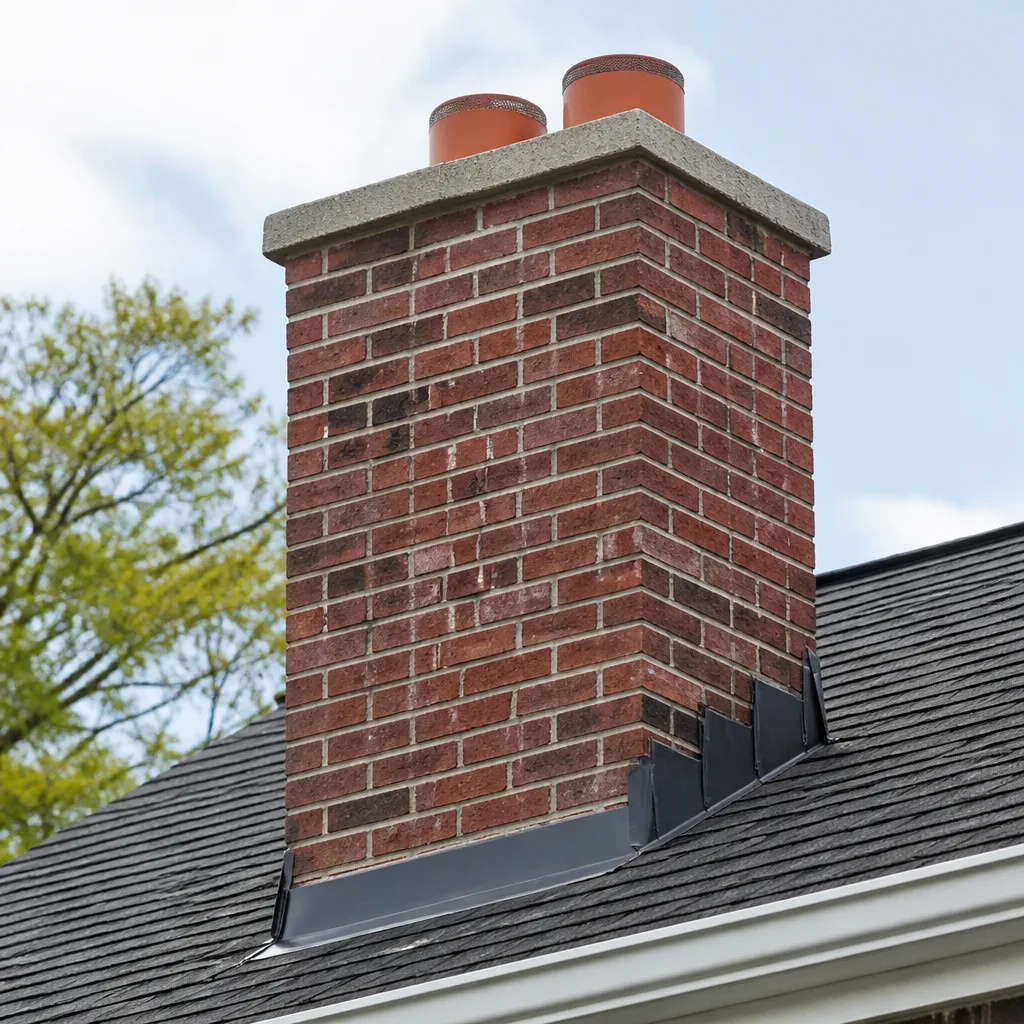
On Bay Ridge chimneys, the moisture almost always enters at one of two places. The first is a failed crown, the concrete cap at the top of the chimney that’s supposed to shed water away from the brick. When the crown cracks, water runs down into the masonry instead of off the top. The second is a missing or damaged cap over the flue itself, which lets rain fall straight down the chimney. Both are inexpensive to correct compared to what water damage costs once it reaches the smoke chamber, the damper, and the interior walls.
Efflorescence is worth treating as a diagnostic clue rather than a stain to scrub. If you clean it off and it comes back within a season, the source is still active. Here’s how we approach it:
- Confirm the stain is efflorescence and not mold, which would point to an interior leak instead
- Inspect the crown for cracks, separation from the flue, or a crown that’s simply missing
- Check whether a chimney cap is present and intact over every flue opening
- Repair or rebuild the crown with a proper overhang and seal the joints
- Install a cap sized to the flue so rain can’t enter
Once the water source is closed, the efflorescence stops returning. Our chimney cap & crown work focuses on exactly these two points because they account for the great majority of water intrusion we find in Bay Ridge. We use products from Copperfield and Olympia Chimney for cap and crown components, and we don’t recommend repointing brick until the water source above it is fixed.
Reading the Sounds: Rattling, Rumbling, and Hissing
The noises coming from your firebox are a second diagnostic language, and each one points somewhere different. Learning to distinguish them helps you describe the problem accurately when you call and helps rule out the dangerous cases before anyone steps on the roof.
Rattling
A rattle that starts when wind gusts hit the chimney usually points to a loose damper, a draft component, or a cap that’s worked loose at its fasteners. It’s rarely urgent, but a cap that’s vibrating in wind is a cap that will eventually leave. Have it checked before the next storm season.
Rumbling
A low rumble or roar during a fire usually means draft is pulling hard through a wide, unobstructed flue. That can be normal, but if it’s paired with a fire that burns too fast or too hot, you may be over-drafting a flue that’s oversized for the firebox. An oversized flue is inefficient and accelerates creosote formation. This is a sizing question best answered by an inspection, not by closing a damper partway and calling it solved.
Hissing
Hissing or a sputtering sound from the fire is one to take seriously. It typically means moisture is burning off, either from unseasoned wood or, more concerning, from water that has entered the chimney and soaked into creosote or masonry. Hissing paired with visible liquid at the firebox or a strong smoky smell on dry days is a signal to stop using the fireplace and get an inspection. A creosote deposit that’s absorbed water is more combustible, and the risk of a chimney fire goes up, not down.
If the sound is a sustained roar from inside the chimney itself, with the fire burning out of control or a strong hot smell, that’s a chimney fire. Get out and call for help, then call us before you light another fire. A professional chimney sweep can tell you what the flue looks like on the inside after any suspected fire event.
Why Rowhouse Draft Problems Differ from Detached Homes
Bay Ridge is a neighborhood of attached rowhouses and semi-detached homes mixed with freestanding houses, and that mix changes chimney behavior in ways a detached-home checklist won’t capture. A shared party wall means your chimney and your neighbor’s share structure, share a roofline height, and can even share air pressure effects around a common parapet. Troubleshooting has to account for that.
On rowhouse blocks, the shared wall and continuous roofline mean wind moving across a long rooftop creates a pressure zone that affects every chimney along the block at slightly different angles. One chimney can draft perfectly while the one three units down backdrafts, even with identical fireplaces. The roofline itself acts like a ridge the wind passes over, and the chimney nearest the upwind edge of that ridge catches the most turbulent, downward-pushing air. Adding effective flue height above that turbulent zone is often the fix, but you can’t add height blindly on a rowhouse because adjoining chimneys may already be at the height the local code calls for.
The attic configuration matters too. Many Bay Ridge rowhouses have attic spaces shared or open between units, or vented in ways that affect the whole stack of the building. A fireplace that smokes only in one unit while its neighbor’s is fine can point to a shared-space pressure issue rather than a problem with that fireplace’s flue. That’s why we ask about the building type and the neighboring flues before proposing a draft fix. Our chimney repair work on rowhouses often starts with the roofline and party-wall configuration, not the firebox.
What You Can Safely Observe vs. What Needs a Level 2 Inspection
Some troubleshooting is safe to do yourself. Some is not, and pushing past that line is how people get hurt or spend money on the wrong fix. Here’s a clear split.
Safe to observe yourself
- Whether smoke enters the room on windy days only, or on every burn
- Whether the problem appears when bathroom or kitchen exhaust fans run
- White staining, cracked brick, or missing mortar on the exterior
- Whether a chimney cap is visible and intact from the ground
- Soot or debris visible at the firebox or around the damper
- Whether the damper opens and closes without sticking
- The sounds: rattling, rumbling, or hissing
Requires a professional inspection
Anything inside the flue itself needs a Level 2 inspection to diagnose. A Level 2 inspection includes a video scan of the flue interior and the smoke chamber, which is the only way to see cracks in the liner, gaps at the joints, glazed creosote, an offset that’s blocking draft, or a hidden breach between flues in a multi-flue chimney. Symptom chasing without that camera record is guessing, and guessing is what leads to being told you need thousands in liner work with nothing to back it up.
The roofline and the chimney top are also off-limits for homeowners. Getting onto a pitched roof, removing a cap, or leaning over a chimney top is real fall risk, and this is not a place for a homeowner with a ladder. Leave it to a trained professional. If you can observe the symptom from inside the house and describe it, you’ve done your part. The rest belongs in an inspection.
Cap and Crown: The Two Points Where Water Gets In
If you had to choose where to focus chimney maintenance for Bay Ridge’s weather, it would be the top of the chimney. The crown and cap sit in every storm, sun exposure, and freeze-thaw cycle the year brings, and they’re the two most common points of water intrusion we find. A failing crown lets water in and it costs more the longer it’s left.
The crown is the concrete surface on top of the chimney, crowned with a slope so water runs off the edges and away from the brick. When it cracks or separates, water travels down into the masonry instead of dripping clear. A proper crown is rebuilt with the right slope and an overhang so water drips well away from the chimney sides. The cap is the cover over the flue itself, which keeps rain, animals, and debris out while letting smoke through. A cap with a mesh screen also blocks nesting birds and squirrels, which is a frequent cause of blockage backdraft in Bay Ridge.
Cracked crowns and missing caps are the two most common water entry points we find on Bay Ridge chimneys, which is why we treat cap and crown maintenance as routine, not reactive. Rebuilding a cracked crown and installing a correctly sized cap is a targeted, relatively low-cost fix compared with the liner and masonry damage that follows a long water problem. We specify components from brands like Copperfield and Olympia Chimney to match the flue and hold up to the weather. If your crown looks worn or your cap is missing, this is worth addressing before winter, not after.
Liner Problems: Repair or Reline?
A cracked or deteriorated flue liner is the root cause behind a lot of what looks like unrelated chimney trouble: poor draft, smoky fires, debris falling into the firebox, and heat reaching parts of the chimney that were never meant to see it. The liner is the barrier between the fire and the surrounding structure, and a breach in it is a serious safety issue, not a cosmetic one. The question homeowners always ask is whether the liner needs full replacement or can be restored, and the honest answer depends on what the inspection finds.
Here’s the general decision tree:
- Isolated cracks or gaps with otherwise sound flue walls? The HeatShield ceramic resurfacing system may restore the liner by coating and sealing the interior, extending flue life without a full reline. Not every competitor offers this, and it’s a repair option worth asking about specifically.
- Deteriorated, damaged, or missing liner across a larger section? A full liner is the right call, and the flue’s shape determines the material.
- Straight, unobstructed flue? A rigid liner can work and is often simpler.
- Bends, offsets, or restricted access? A flexible liner system like DuraFlex handles configurations rigid liner installers turn away from.
Part of the reason we can answer the repair-or-reline question honestly is that we carry both routes. We’re equipped with HeatShield for restoration and DuraFlex flexible liners for complex flues, plus components from other professional chimney brands, so the recommendation is driven by what the flue actually looks like rather than by what we happen to stock. Nothing is recommended without camera evidence you can review yourself. If the liner can be restored, we’ll say so. If it can’t, we’ll show you why.
Creosote and the Case for a Regular Chimney Sweep
Creosote is the residue wood smoke leaves behind, and it accumulates in every flue that sees regular fires. In its early stages it’s a light, flaky deposit that a sweep removes easily. As it builds and goes through cycles of moisture and heat, it turns into a harder, darker, more combustible glaze. That’s what makes the annual sweep a safety task, not tidying. A clean flue is a flue with less fuel in it if a spark ever gets where it shouldn’t.
The frequency depends on how much you burn and what you burn. A rough rule:
- Regular fires through the heating season: sweep once a year
- Occasional use, a fire every couple of weeks: inspect annually and sweep as the inspection shows
- Unseasoned or resinous wood: more frequent checks, since creosote builds faster
- After any chimney fire, suspected or confirmed: inspection before lighting another fire
Burning seasoned hardwood and keeping the fire hot enough to burn cleanly slows the buildup but doesn’t eliminate it. Our chimney sweep service clears the flue and gives you a camera inspection with a photo record you can keep, so you can see what’s actually there instead of taking it on faith. The clearest reason to act on a schedule rather than after a problem appears is carbon monoxide. A blocked or breached flue can push combustion gases back into the living space, and you want to know that before it happens, not after.
Common Mistakes to Avoid
- Treating every draft problem as a blockage. If your fireplace only smokes when exhaust fans run or on windy days, you likely have a pressure problem, and a sweep won’t fix it. Diagnose the cause before calling for a cleaning.
- Scrubbing efflorescence off and calling it solved. The stain comes back until the water source above it is closed. Fix the crown and cap, not the surface.
- Adding chimney height without checking the roofline. On a Bay Ridge rowhouse block, adjoining chimneys share a roofline, and blind height additions can make one problem better and a neighbor’s worse. This needs a proper look at the building.
- Putting off a cracked crown through the winter. Freeze-thaw cycles turn a hairline crack into a real breach. A failing crown lets water in, and the repair costs less before the masonry soaks.
- Accepting a large repair quote without camera evidence. If you’re told you need a full liner and nobody shows you a video of the flue interior, ask for one. That’s the point of an inspection.
- Climbing onto the roof to remove a stuck cap yourself. The chimney top is a fall-risk area and no place for a homeowner on a ladder. Leave cap and crown work to a trained professional.
- Burning unseasoned wood to save money. Wet wood produces more creosote and more draft problems, and the sweep bill goes up, not down.
See the difference
 Before
 After
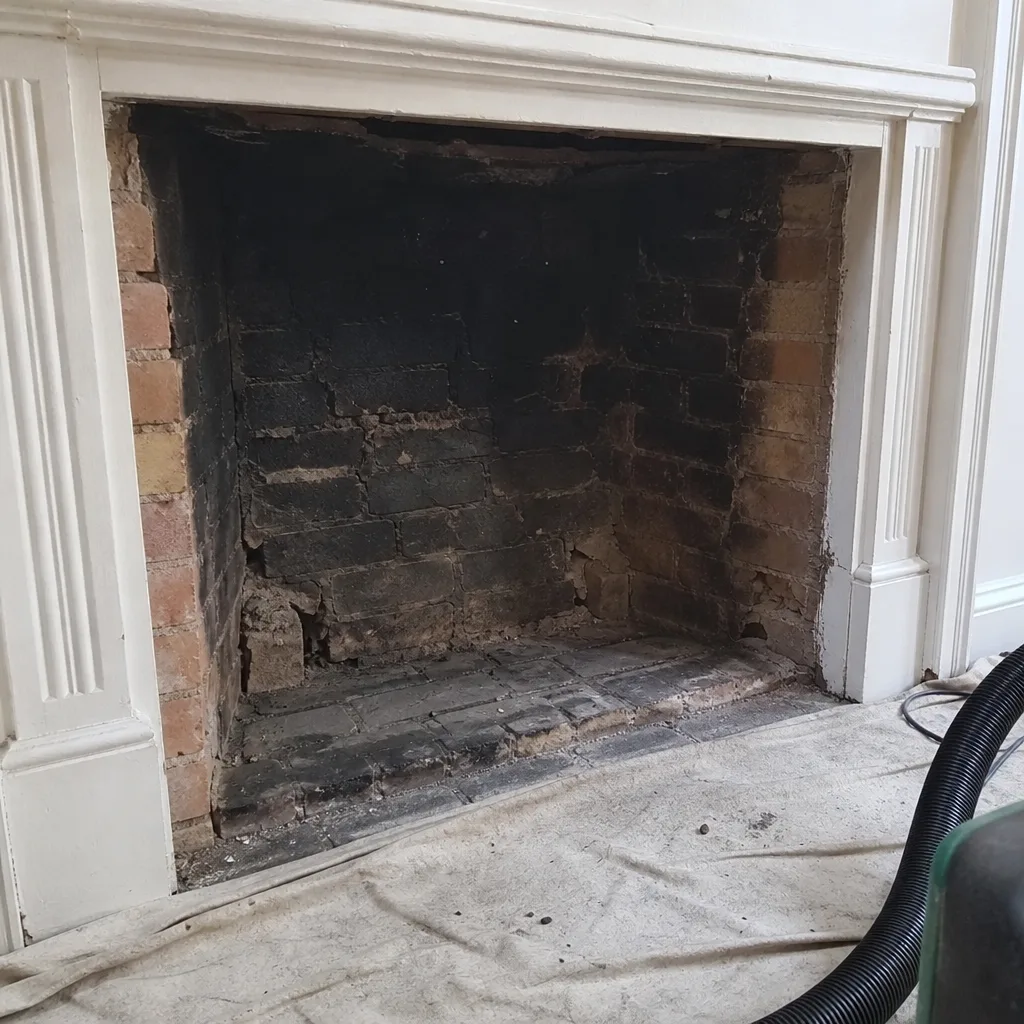 Before
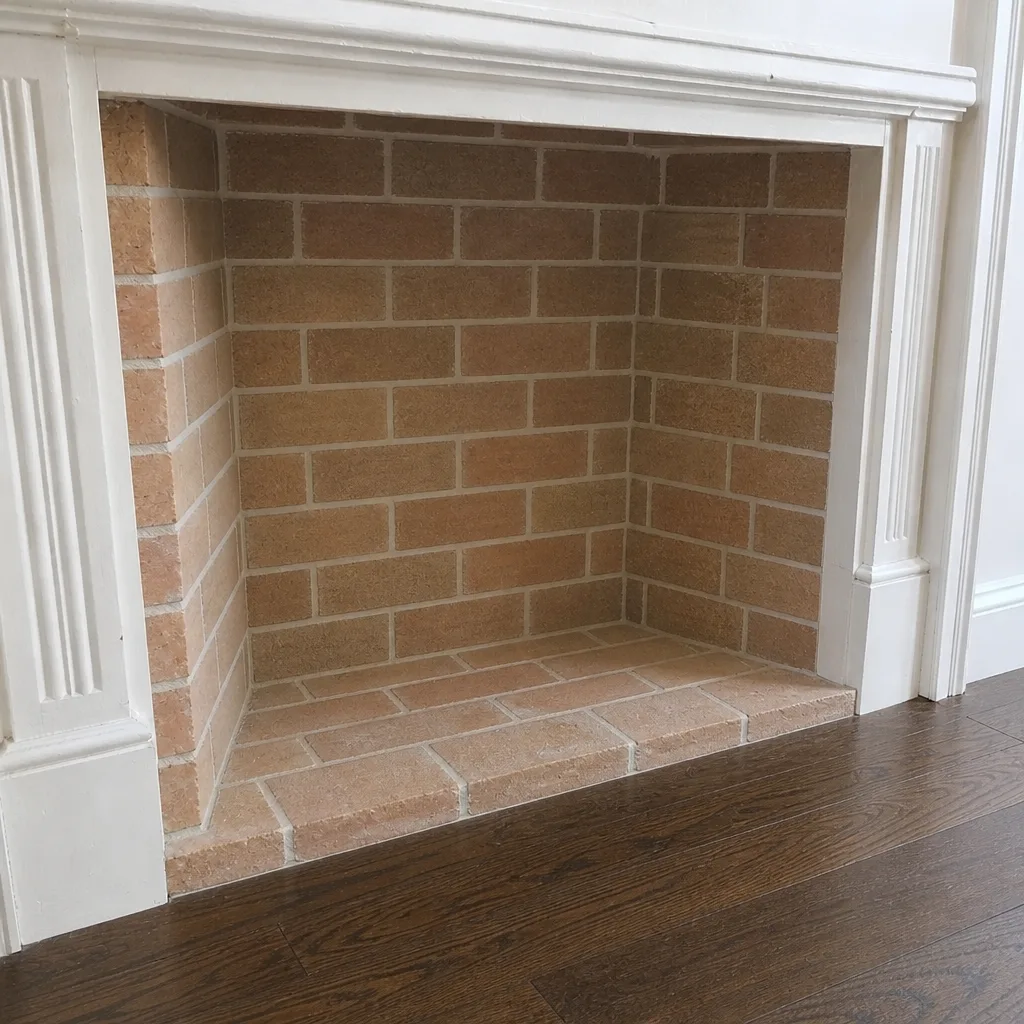 After
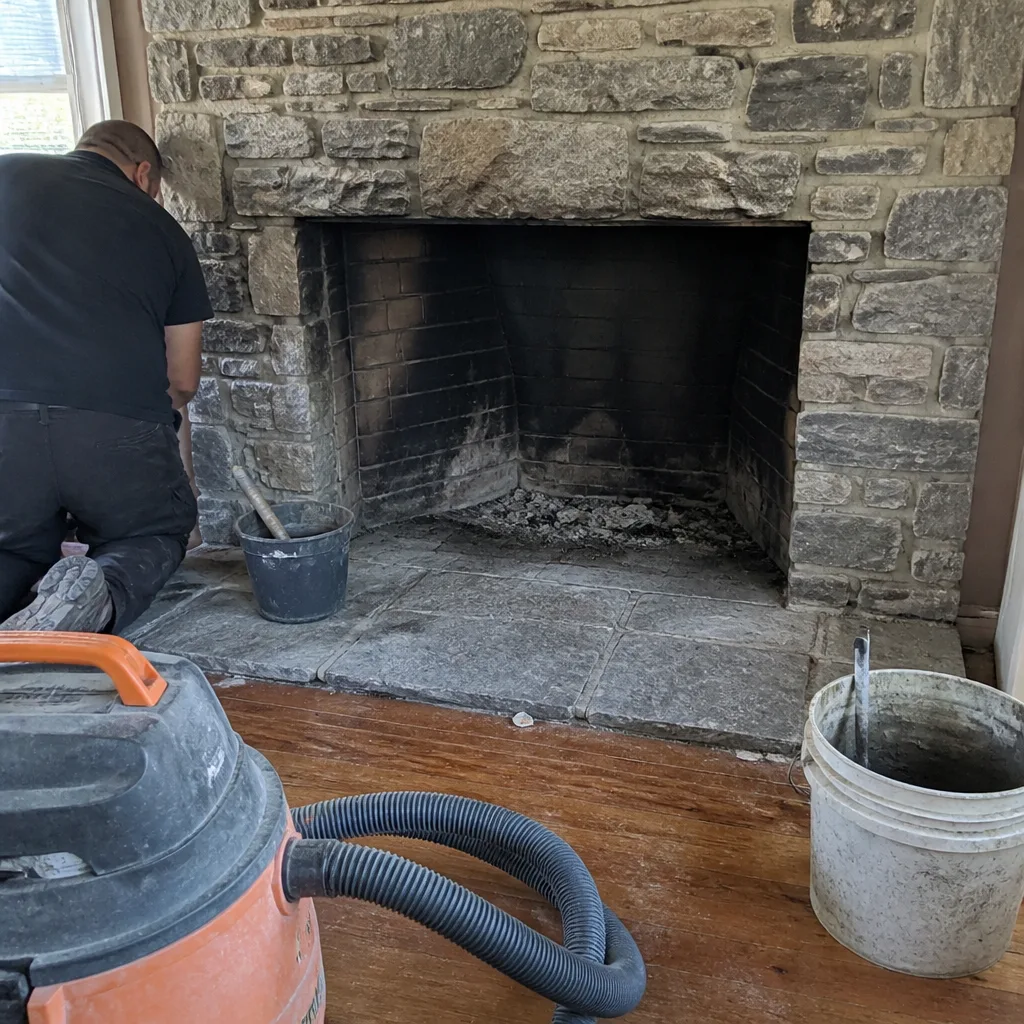 Before
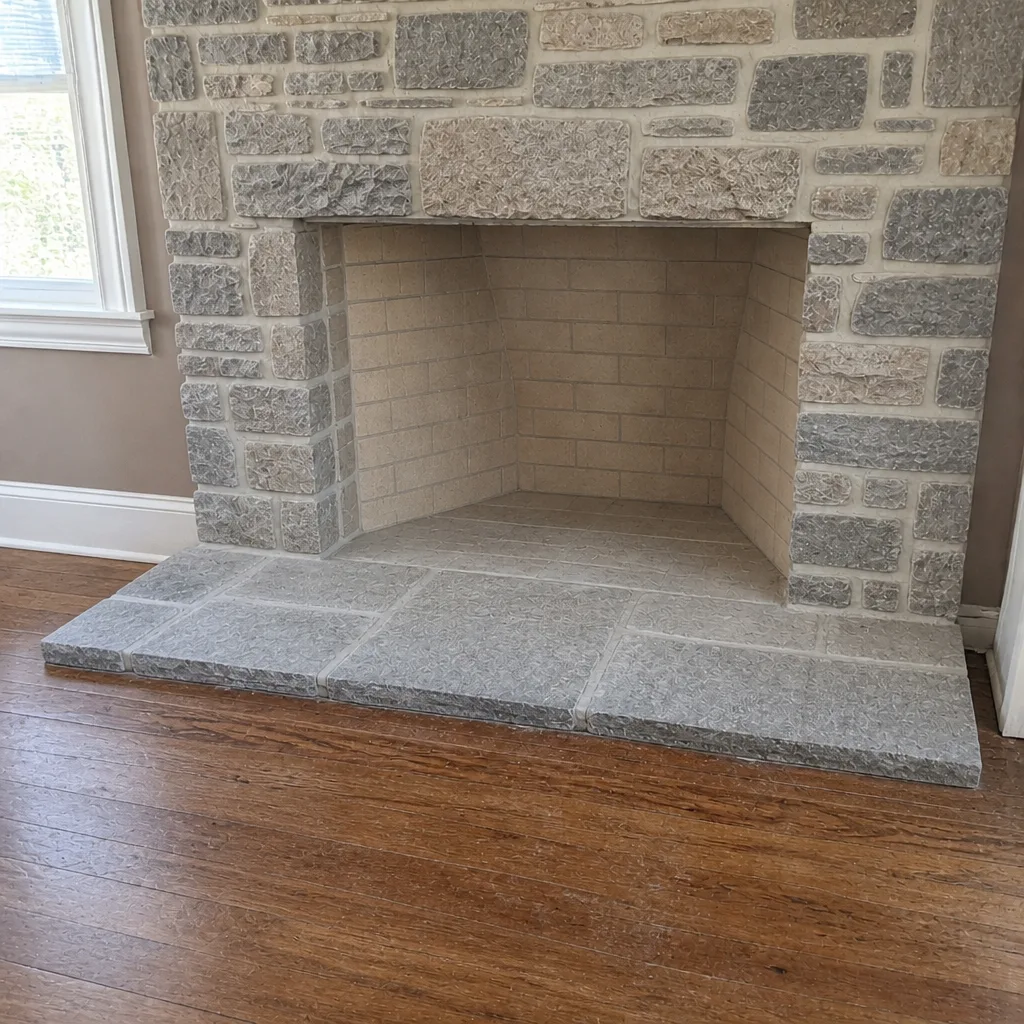 After
When to Call a Professional
Call a professional chimney company when smoke enters the room, when you hear hissing or a sustained roar from the flue, when there’s visible white staining or cracked brick, when the damper won’t operate smoothly, or when it’s simply been a year since the last sweep and inspection. Those are the clear cases. The less obvious ones are the ones that matter most: a fire that used to draft well and doesn’t anymore, a smell of smoke in the house on days you haven’t lit a fire, or creosote that looks glazed rather than flaky. Watch for the symptoms, don’t open the flue to explore yourself, and let a camera inspection answer the question. Chimney Sweep Bay Ridge offers free estimates in Bay Ridge. Call (855) 551-0049. We answer 24/7. Fast dispatch from 7am to 7pm, Sunday through Friday.
Frequently Asked Questions
A fireplace that smokes only on windy days usually has a negative-pressure or roofline-height problem rather than a blockage. Wind moving over the roofline creates uneven pressure at the chimney top, and if the flue isn’t tall enough above that turbulent zone, the chimney can’t hold its draft. A pressure and height evaluation at the roofline usually identifies the fix, and it’s rarely a simple sweep. Call (855) 551-0049 and we’ll schedule an inspection to confirm the cause.
If the damage is isolated cracks or gaps with sound flue walls, it can often be restored with the HeatShield ceramic resurfacing system rather than fully relined. If the liner is deteriorated across a larger section, a full liner is the safe route, and the flue’s shape decides the material. Either way, the answer comes from a camera inspection, not a guess. Call (855) 551-0049 for an estimate after the inspection.
White staining is efflorescence, and it means water is passing through the masonry and evaporating at the surface, leaving mineral salts behind. It’s a sign of water intrusion, usually from a cracked crown or a missing cap. Closing the water source above stops it from returning. Call (855) 551-0049 to have the crown and cap checked.
An annual sweep is the standard for a chimney with regular fires through the heating season, and an inspection every year for occasional use. Unseasoned wood, resinous wood, and heavy use shorten the interval. Proactive cap and crown work is the single most important step in protecting Bay Ridge chimneys through the freeze-thaw cycle here. Call (855) 551-0049 to book a sweep before the heating season.
A cap stops rain, animals, and debris from entering the flue, and a clogged or damaged cap can cause a blockage backdraft. But a cap won’t fix negative pressure from a tight house or a flue that’s too short for Bay Ridge’s roofline, because those are pressure and height problems. The two fixes solve two different problems. Call (855) 551-0049 and we’ll tell you which one you have.
Bay Ridge rowhouses share walls, rooflines, and often attic configurations with neighboring units, which changes how wind pressure hits each chimney along a block. One chimney can draft well while the one next door backdrafts even with identical fireplaces, because of the shared roofline dynamics. That’s why we look at the building type and the neighboring flues before proposing a fix. Call (855) 551-0049 to have your rowhouse chimney evaluated.
The Bottom Line
Most chimney complaints in Bay Ridge come down to a short list of root causes: negative pressure from a tight building envelope, water entering at a failed crown or missing cap, a hidden blockage, or a deteriorated liner. The symptom you can see from the armchair is the starting point, not the diagnosis. Distinguish the sounds, notice which weather conditions trigger the problem, and treat the white stains on your brick as a water problem rather than aging. Then let a camera inspection answer the question before anyone sells you a repair. Repair the root cause, schedule the annual sweep, and the system holds up through Bay Ridge’s winters.
If you’re unsure what you’re looking at, that’s the right moment to get an independent read. Chimney Sweep Bay Ridge handles every stage from inspection to repair with professional-grade materials from HeatShield, DuraFlex, Copperfield, and Olympia Chimney, and we show you what the camera sees. If your chimney can wait, we’ll tell you. If it can’t, you’ll see why. Call (855) 551-0049 for a free estimate. We answer 24/7. Fast dispatch from 7am to 7pm, Sunday through Friday.
Written by the team at Chimney Sweep Bay Ridge.