
Last updated November 22, 2026
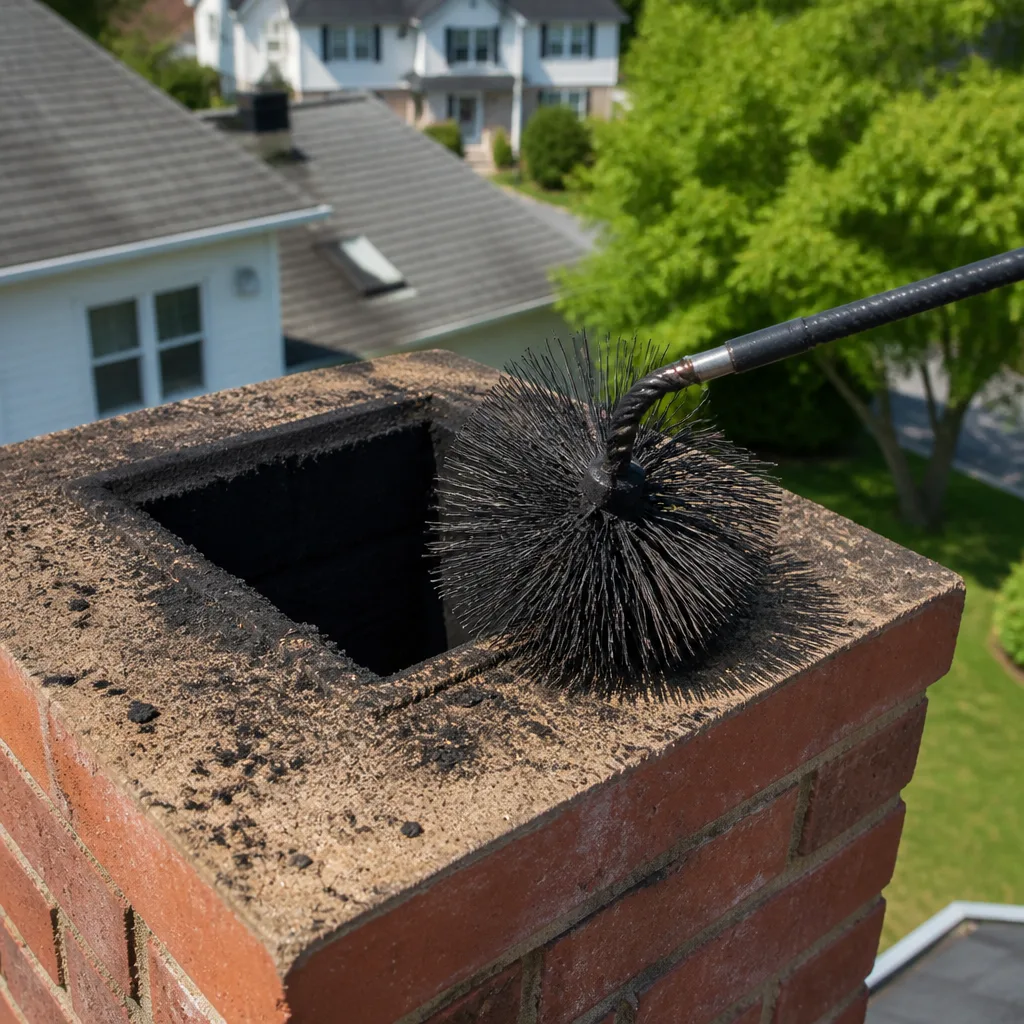 Sweep & inspection
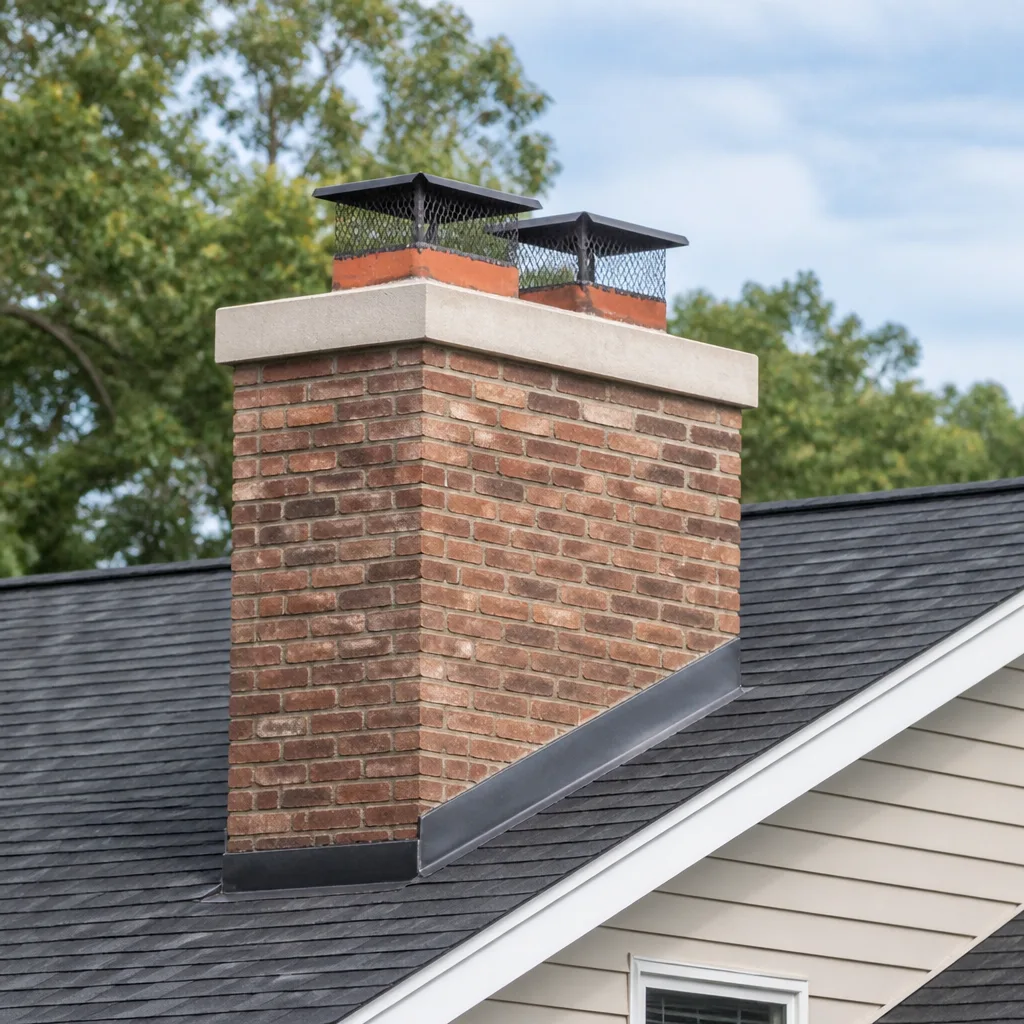 Caps & crowns
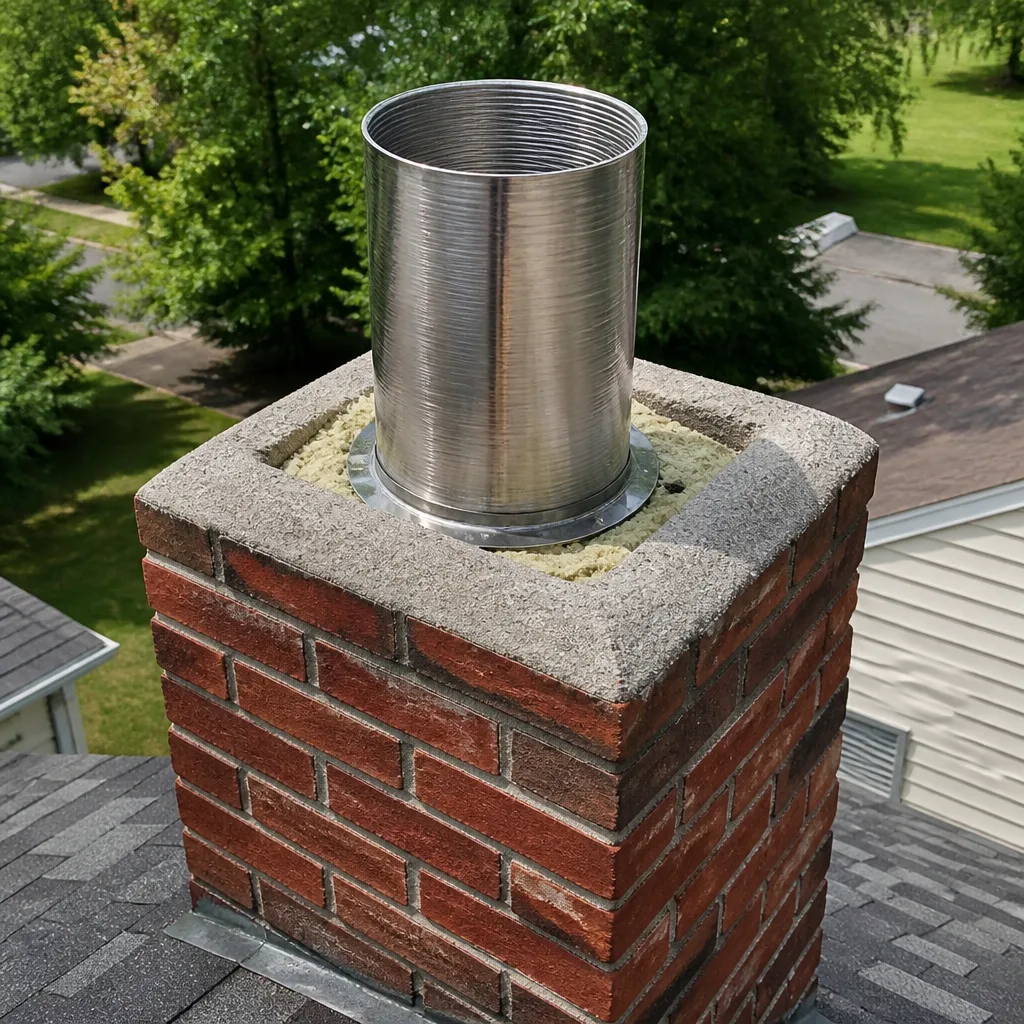 Flue relining
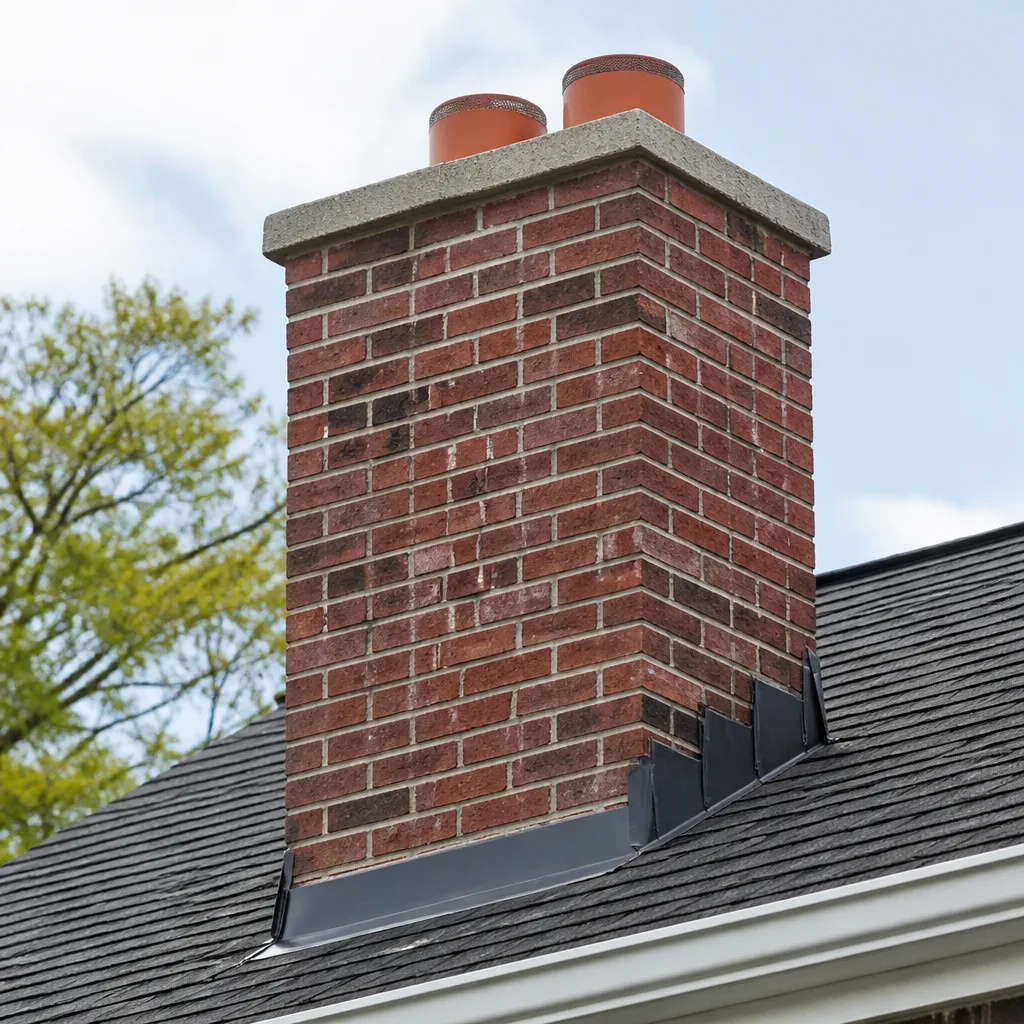 Masonry repair
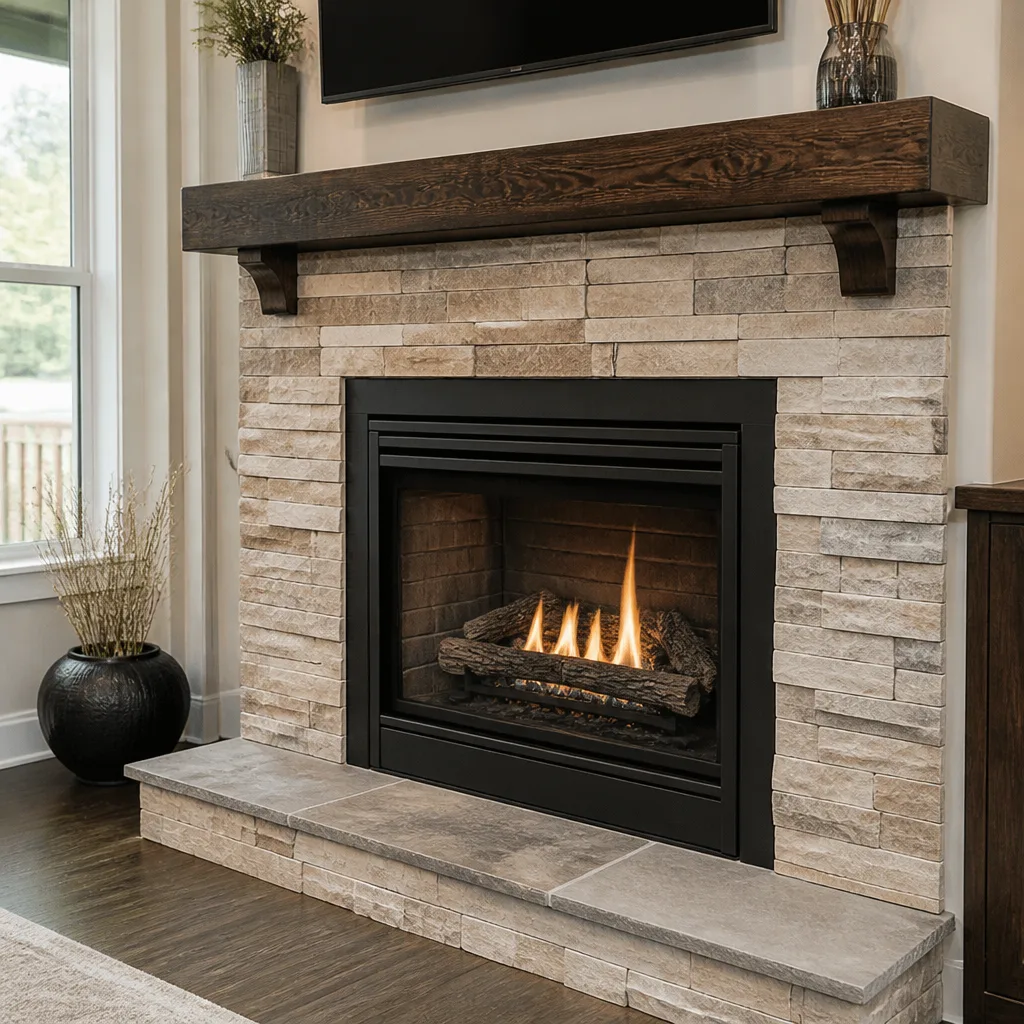 Gas fireplace service
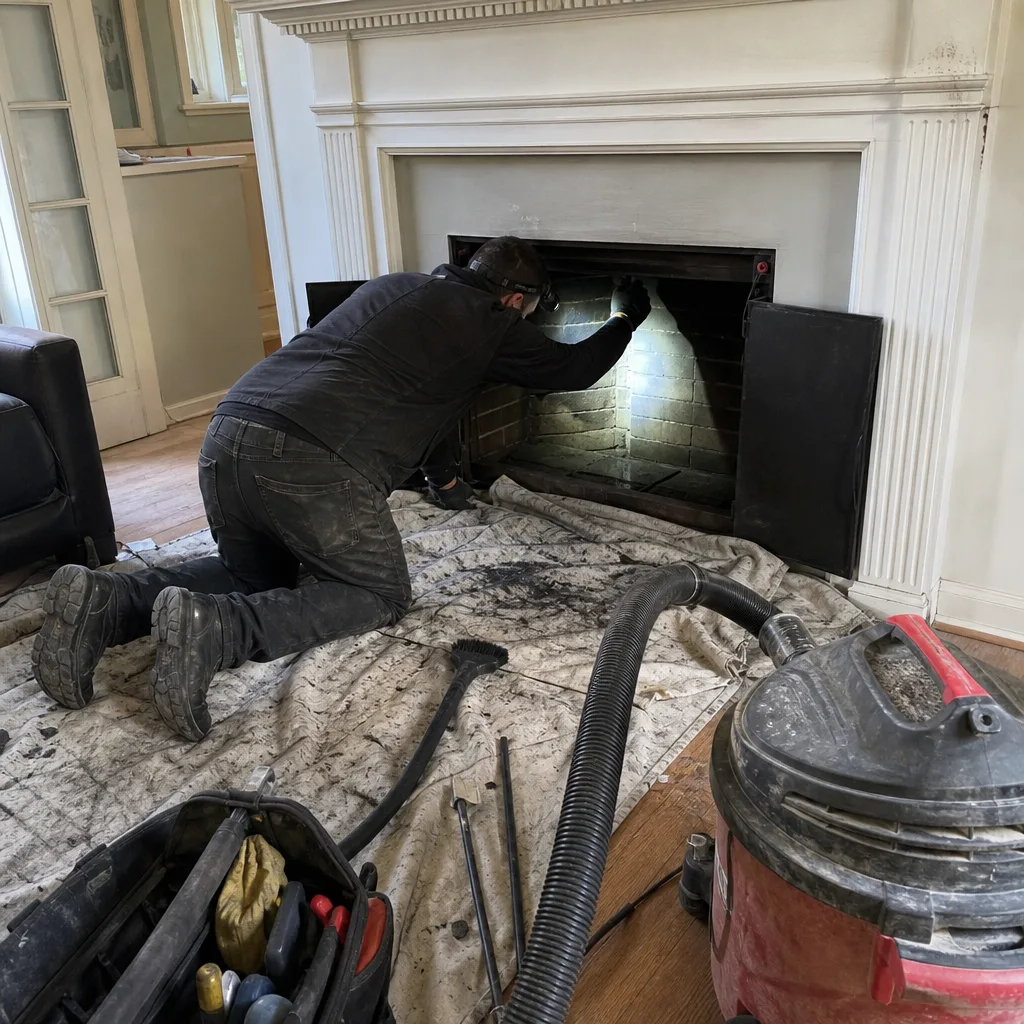
Level 1 sweep and inspection to the NFPA 211 annual standard - flue, crown, cap, and flashing checked and photographed
Chimney sweep logs do not sweep chimneys. They loosen some creosote - which then falls where a brush and vacuum still have to collect it.
Chimney Sweep Maintenance Schedule: What to Do and When
“Sweep once a year” is the advice every chimney site repeats, and it’s not wrong. It’s just incomplete. That single annual sweep is one task on a schedule that should include six distinct inspection and service touchpoints spread across the calendar. Bay Ridge homes that run a fireplace hard through the heating season – more than 50 fires from October through March – have already outgrown the once-a-year interval that average-use advice was written for. What follows is the full year laid out month by month: what to check, when to book it, and which tasks are yours to do versus which ones need a trained sweep on the roof.
Quick Answer
A chimney maintenance schedule has six touchpoints across the year: a pre-season inspection and sweep in September, a mid-season check in December, a post-season liner and flue check in April, a cap and crown inspection after any major storm, a masonry and mortar review in late spring after the last freeze, and an off-season look at the firebox and damper in summer. Book the sweep before burning season starts, then inspect again after it ends.
Styles & brands we work with
- Sweep & inspection
- Caps & crowns
- Flue relining
- Masonry repair
- Gas fireplace service
Table of Contents
- Why one annual sweep isn’t a maintenance schedule
- The month-by-month Bay Ridge chimney calendar
- The September pre-season inspection: what we look for
- The April post-season liner check: a different job entirely
- Creosote thresholds: when 1/8 inch means clean now
- Masonry and mortar timing around the freeze-thaw cycle
- What you can check yourself and what needs a sweep
- Common mistakes to avoid
Why one annual sweep isn’t a maintenance schedule
A sweep clears what has already built up in the flue. It doesn’t tell you what the flue will look like in February, after three months of steady burning, or whether your crown cracked over the winter. Those are separate questions, and they get answered at different points on the calendar, not all at once in a single visit.
Think of it the way you’d think about a car. The oil change is the sweep. But you also check the tires after a rough road, look at the brakes before a long trip, and notice the fluid levels between services. A chimney works the same way. The flue, the cap, the crown, the mortar joints, and the firebox all age at different rates and are exposed to different stresses depending on the season. One visit a year catches whatever has accumulated by that date and misses everything that happens in the other eleven months.
For a Bay Ridge homeowner running a wood-burning fireplace most nights from October through March, the gap between visits matters more than it does for a household that lights two fires a month. Creosote doesn’t accumulate on a calendar. It accumulates per fire, per burn temperature, and per how dry the wood is. A schedule built around a busy fireplace has to include a mid-season look, not just a pre-season sweep.
We’ve seen what happens when a chimney only gets attention once a year. It’s rarely dramatic. It’s usually a crown that let water in over the summer, a flue with a hairline crack that opened up over a wet spring, or a cap that came loose in a storm nobody thought twice about. None of those are emergencies on the day they happen. All of them become expensive by the time someone finally looks. The schedule exists to catch them early, when they’re still small.
The month-by-month Bay Ridge chimney calendar
Here’s the year laid out for a Bay Ridge home with a working fireplace. It assumes a heating season that runs October through March, with the rest of the year spent on prevention and off-season risks.
September: Pre-season inspection and sweep
Book this before the first cold night, not after. The pre-season visit is where a sweep clears summer’s debris, checks the cap and crown, and confirms the flue is clear before you light the first fire of the year. A September booking also means you’re not competing with everyone else who calls in October when the weather turns.
December: Mid-season flue check
If you burn more than 50 fires a season, a mid-season look at creosote accumulation is worth it. This isn’t a full sweep in most cases – it’s a check that tells you whether the deposit has reached the threshold where a second sweep is needed before spring.
March: Last fires of the season
Watch for any change in draft, smoke spill, or a smell in the room when the fireplace isn’t lit. These are early signals that the flue needs attention before you close the fireplace down for the year.
April: Post-season liner and flue check
This is a different inspection from September’s, and it looks for different things. The post-season visit is about what winter did to the system – liner integrity, mortar joints, and any sign of moisture that made its way in.
Late May or early June: Masonry and mortar review
After the last freeze, masonry joints are at their most visible. A mortar review in late spring catches the damage a freeze-thaw cycle caused over winter, before summer humidity makes it worse.
July: Summer humidity and nesting check
Summer is when the chimney sits unused and vulnerable. Birds and other animals nest in open flues, and humidity works on any crack the winter opened. A mid-summer check, or at least a visual from the ground, keeps small summer problems from becoming fall ones.
After any major storm: Cap and crown visual
This one is yours to do from the ground, and it’s the highest-value check on the whole calendar. A loose cap or a cracked crown lets water in every time it rains.
Ongoing: Firebox and damper awareness
Between services, pay attention to the firebox and damper. Grinding, sticking, or a damper that doesn’t seal is a fireplace repair item, not a sweep item, but the sweep is where those issues usually get caught.
The September pre-season inspection: what we look for
The pre-season inspection in September has one job: confirm the chimney is safe to use before you start burning again. That means checking for anything summer left behind and anything the last heating season set in motion.
The list runs in a set order, top to bottom:
- Cap and crown: is the cap still attached, is the screen intact, and is the crown free of cracks. The cap and crown are the two most common points of water intrusion, so they get checked first.
- Flue and liner: a look down the flue for creosote accumulation, cracks in the liner, and any debris or nesting that came in over the summer.
- Firebox and damper: the firebox walls for cracks, and the damper for a clean seal and free movement.
- Smoke chamber and flue collar: the transition area where buildup often hides and where a failing joint shows up.
- Masonry joints: a visual on the exterior for missing mortar, spalling brick, or a lean in the stack.
If the inspection turns up something beyond a sweep, this is the honest starting point for a repair conversation, not a sales pitch. Most pre-season inspections end with a sweep and nothing else. When they don’t, the fix has a camera inspection or a photo report behind it so you can see exactly what we’re seeing. That’s the difference between being told you need work and being shown why.
September is also the right month to book in Bay Ridge because the wait list in October fills fast. Homes around the Ridge that run a fireplace through the season all want the same slot the first week it gets cold. Book the sweep before that happens and you’re not scrambling when the first genuinely cold night arrives. The same logic applies whether you book with us – Chimney Sweep Bay Ridge handles inspection-to-repair in one place – or with another sweep. Book early.
The April post-season liner check: a different job entirely
The April check is not a repeat of September’s. It looks at what winter did to the system rather than what’s ready to burn. The purpose is to catch damage while it’s seasonal and small, before summer humidity gets a full season to work on it.
The post-season visit focuses on four things:
- Liner integrity: winter’s temperature swings are hard on a liner, and a hairline crack that opens in February is a full defect by June if moisture gets into it. The April check is where those cracks get found.
- Mortar joints on the exterior stack: freeze-thaw cycles open joints over the winter, and late spring is when the damage is most visible.
- Water intrusion signs: staining on the firebox, dampness at the damper, or rust on the damper mechanism. Any of these point to a crown or cap issue that let water in over the winter.
- Creosote at the flue collar and smoke chamber: the areas where buildup tends to concentrate after a heavy season.
If the April check finds liner damage, there are two paths. A full reline with a flexible liner is one – DuraFlex systems handle offset flues and complex configurations that rigid liners can’t. The other is liner restoration with the HeatShield ceramic resurfacing system, which extends flue life without full replacement when the damage is within its range. Not every liner qualifies for restoration, and we’ll tell you plainly when a reline is the right call. That decision belongs to the condition of the liner, not to what’s easier to sell.
If the post-season check finds nothing beyond a sweep, that’s a good result. It means the system held up through the winter, and you have a clean baseline going into summer.
Creosote thresholds: when 1/8 inch means clean now
Creosote is the reason chimneys get swept, and not all creosote is the same. It forms in three stages, and each stage calls for a different response.
Stage one: soot and light flaky deposit
The early stage is a thin, flaky, dusty deposit. It’s what a sweep clears on a routine visit. It builds gradually and is the normal result of burning wood, especially when the wood isn’t perfectly dry. Routine sweeping removes it.
Stage two: 1/8 inch of deposit
When the deposit reaches about 1/8 inch thick, industry standards say it’s time for a cleaning. An eighth of an inch doesn’t sound like much, but that’s the threshold where buildup starts to reduce draft and where the risk of a chimney fire begins to rise in a meaningful way. If a sweep finds 1/8 inch or more, the flue gets cleaned that day.
Stage three: glazed third-degree creosote
The third stage is glazed, hard, and shiny, and it doesn’t come off with a standard brush. It forms when creosote is repeatedly heated and cooled, concentrating into a dense glaze on the flue walls. Glazed creosote burns hot, and it needs a different protocol entirely – often a chemical treatment or, in the worst cases, liner replacement. A sweep who finds third-degree creosote should tell you clearly that the standard brush won’t touch it and explain the options.
For a high-use Bay Ridge fireplace, the 1/8 inch threshold is why a mid-season check in December makes sense. Burning more than 50 fires a season, you can cross that threshold between September and April without seeing any obvious sign from inside the room. The check catches it before spring.
One thing creosote does not do is announce itself. A flue with significant deposit can draft normally right up until it doesn’t. That’s why the schedule is built around thresholds and timing rather than waiting for a symptom. If you’re not sure what’s in your flue, a camera inspection shows you exactly what a sweep sees, and a photo report gives you the evidence in hand.
Masonry and mortar timing around the freeze-thaw cycle
The right time to inspect masonry in Bay Ridge isn’t tied to a calendar month. It’s tied to the freeze-thaw cycle. Mortar joints open when water gets into a hairline crack, freezes, expands, and pushes the joint apart. Do that over a winter, and a joint that was tight in October can be visibly open by March.
That’s why the masonry review lands in late spring, after the last freeze. Here’s how the timing works through the year:
- Before the first freeze: check for existing cracks and any joint that’s already loose or missing. Water gets into open joints, so sealing what’s there before winter reduces the damage a freeze can do.
- Through the winter: freeze-thaw stress opens existing cracks and creates new ones. Some of this is invisible from the ground until spring.
- After the last freeze, late May or early June: a full masonry review. This is when the damage from the winter is readable, and when repointing is most effective – warm, dry weather lets mortar cure properly.
- Mid-summer: a second look, especially on the crown and the top courses of brick where water intrusion does the most damage.
A note on water: the crown is the concrete cap at the top of the chimney that sheds water away from the stack. A cracked crown lets water in with every rain, and that water works its way down through the masonry and into the flue. A missing or damaged cap does the same from the top of the flue. Getting a chimney cap & crown inspection on the calendar after major storms catches these early, when the repair is a targeted fix rather than a rebuild.
If the masonry review does turn up joint damage, repointing with the right mortar mix is a repair, not a rebuild. Matching the mortar to the brick matters – a harder mortar than the brick around it will push the damage into the brick itself over the next freeze. That’s the kind of detail a generalist contractor misses and a chimney specialist gets right.
What you can check yourself and what needs a sweep
A maintenance schedule works best when the homeowner handles the low-risk checks between professional visits. Knowing the line between the two is what keeps the schedule honest, and it’s also what keeps you off a ladder you shouldn’t be on.
Checks you can do from the ground
- Cap after a storm: look up at the top of the chimney. Is the cap still attached? Is the screen intact? A cap that’s come loose or lost its screen is a call-the-sweep item, but the check itself takes a minute.
- Crown from below: a visual on the crown from ground level for visible cracks or missing pieces of concrete.
- Masonry joints from below: look for missing mortar, crumbling brick, or a lean in the stack. Anything that looks off from the ground is worth a professional look up close.
- Smoke and draft: when you light a fire, does the smoke go up, or does some spill into the room? Smoke spill points to a draft problem worth investigating.
- Damper movement: does it open and close freely, and does it seal completely when closed? Sticking or a poor seal is a fireplace repair item.
- Smell when not in use: a persistent smoky smell in the room when the fireplace is cold can point to a downdraft or a buildup issue.
Tasks that need a trained sweep
- The sweep itself: brushing a flue properly requires the right tools, access to the roof, and knowing what to look for as the deposit comes off.
- A camera inspection: a proper look at the interior of the flue and the smoke chamber needs a camera. The photo report that comes with it is what tells you what’s actually there.
- Liner assessment and repair: whether a liner needs restoration or replacement is a judgment call that depends on seeing the full flue. This is HeatShield and flexible liner territory, not a homeowner task.
- Crown repair and masonry repointing: roof-level work on the crown and stack, and the mortar work that follows a freeze-thaw cycle.
- Firebox and damper repair: the firebox takes the direct heat of the fire. Repairing cracks or replacing a damper is a fireplace repair, and it needs to be done right.
If you’re ever unsure which side of the line a task falls on, that’s a call. A sweep who looks at your chimney will tell you what’s a repair and what can safely wait. The line gets tested every winter in Bay Ridge, and the safest answer when something looks wrong from the ground is a professional look from up top.
Common Mistakes to Avoid
- Treating the sweep as the whole schedule. The sweep is one task. Missing the post-season check and the post-storm cap check leaves the other half of the year’s risk unaddressed.
- Booking in October instead of September. October is when everyone calls. The sweep is the same either way; the wait isn’t. Book before the season starts.
- Ignoring creosote below 1/8 inch on a high-use fireplace. The 1/8 inch threshold is a trigger, not a limit. If you burn more than 50 fires a season, a mid-season check catches buildup that would otherwise wait until spring.
- Brushing off a glazed flue as “just buildup.” Third-degree creosote doesn’t come off with a standard brush. Treating it as routine buildup leaves a serious fire risk in place.
- Skipping the masonry review because the inside of the chimney looks fine. The freeze-thaw cycle damages the exterior stack, not the flue. What you can see from the fireplace tells you nothing about the mortar joints up top.
- Waiting for a problem to announce itself. Chimneys rarely give a clear warning. A flue with significant deposit can draft normally until it doesn’t. The schedule exists to catch problems before they show symptoms.
- Booking a generalist for a chimney problem. A roofer or a handyman may patch a crown, but chimney work calls for the right materials – the correct mortar mix, a proper liner, a correctly sized cap. The wrong patch is worse than none.
See the difference
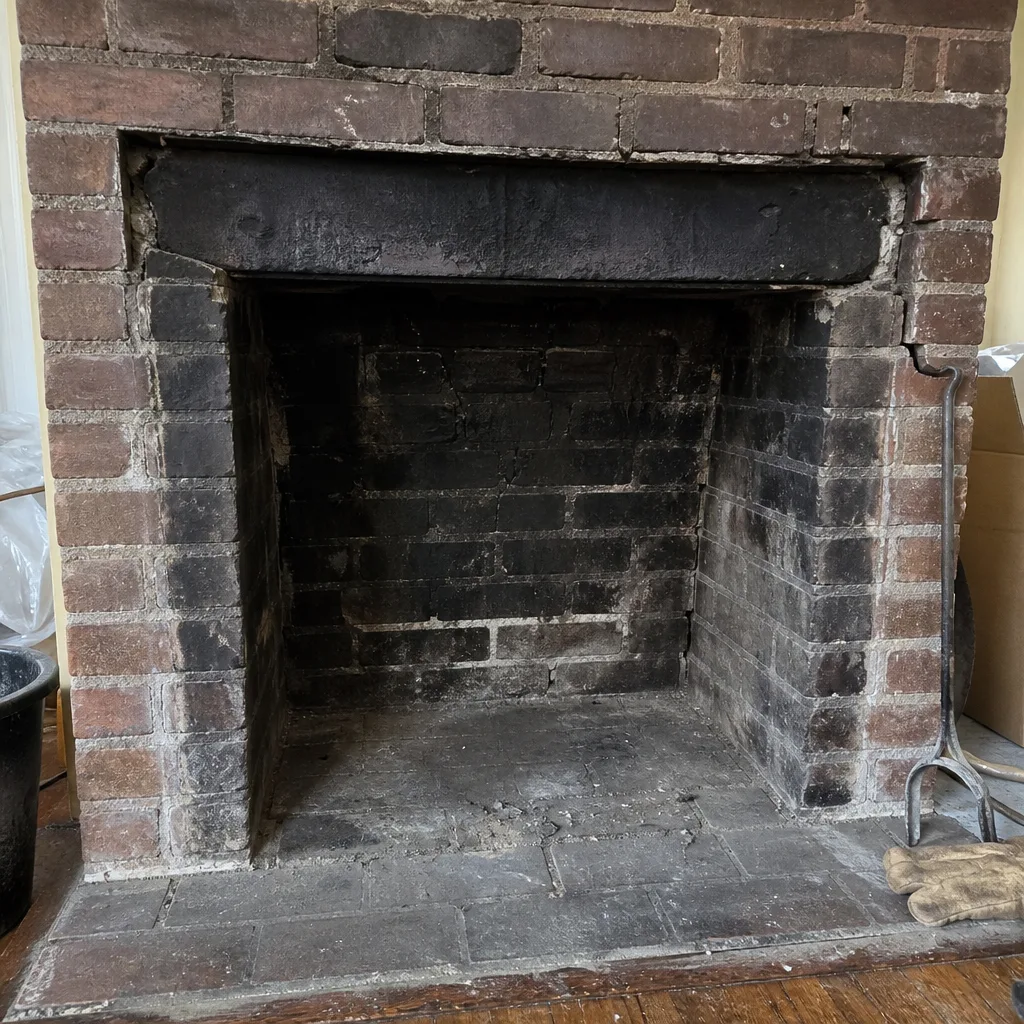 Before
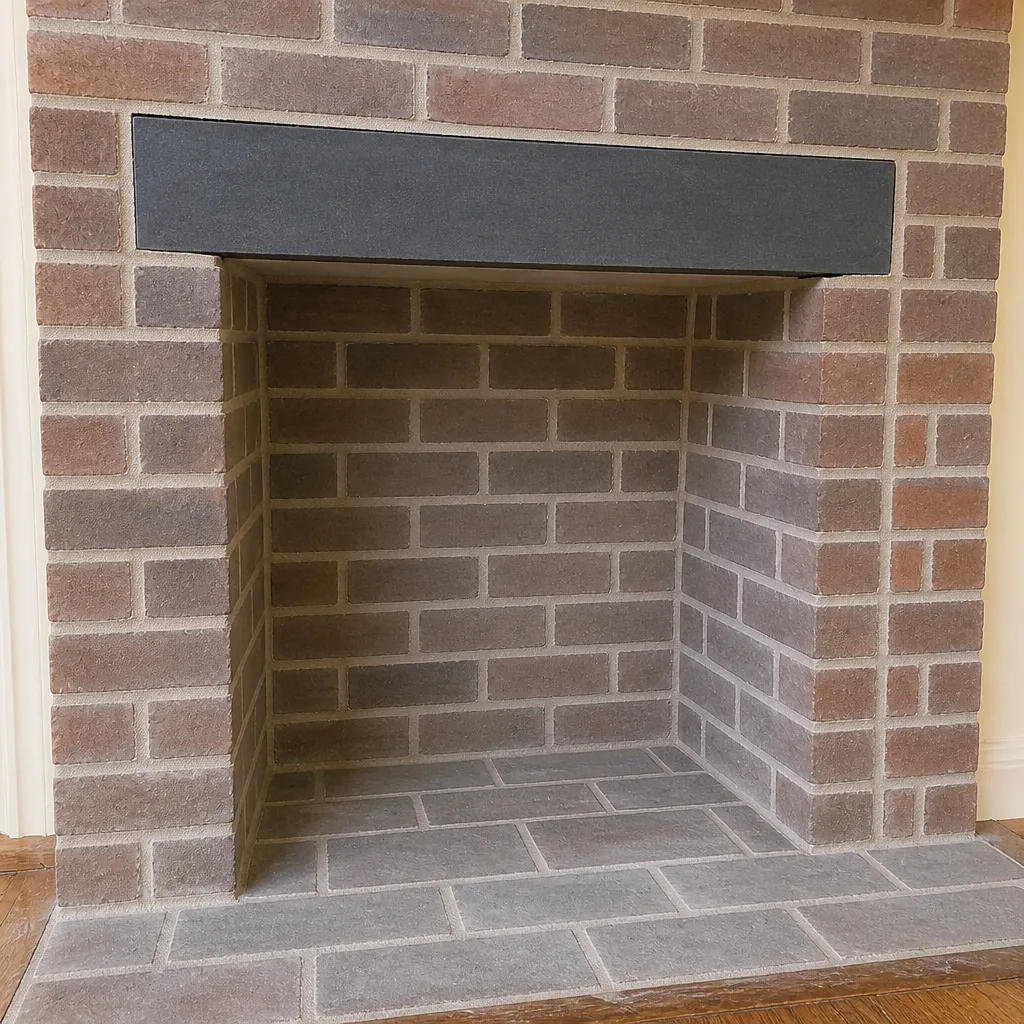 After
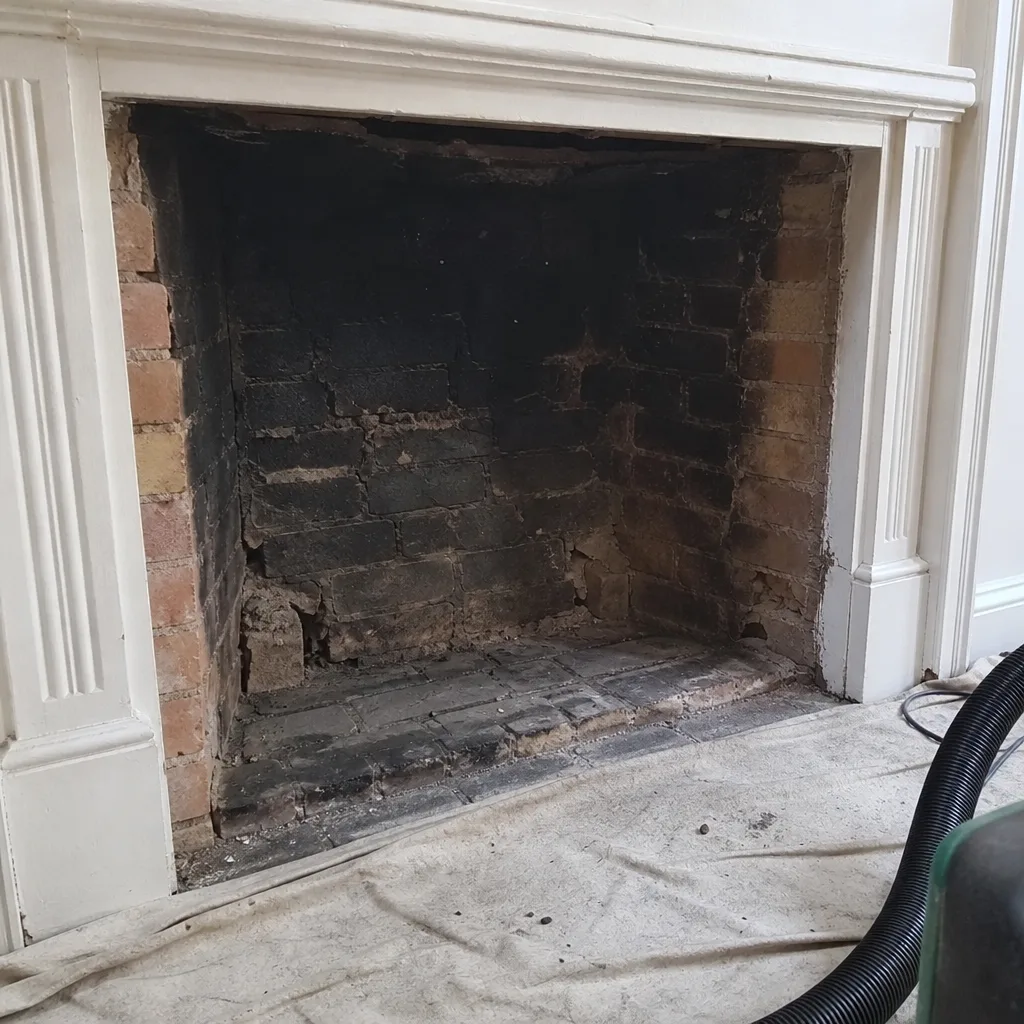 Before
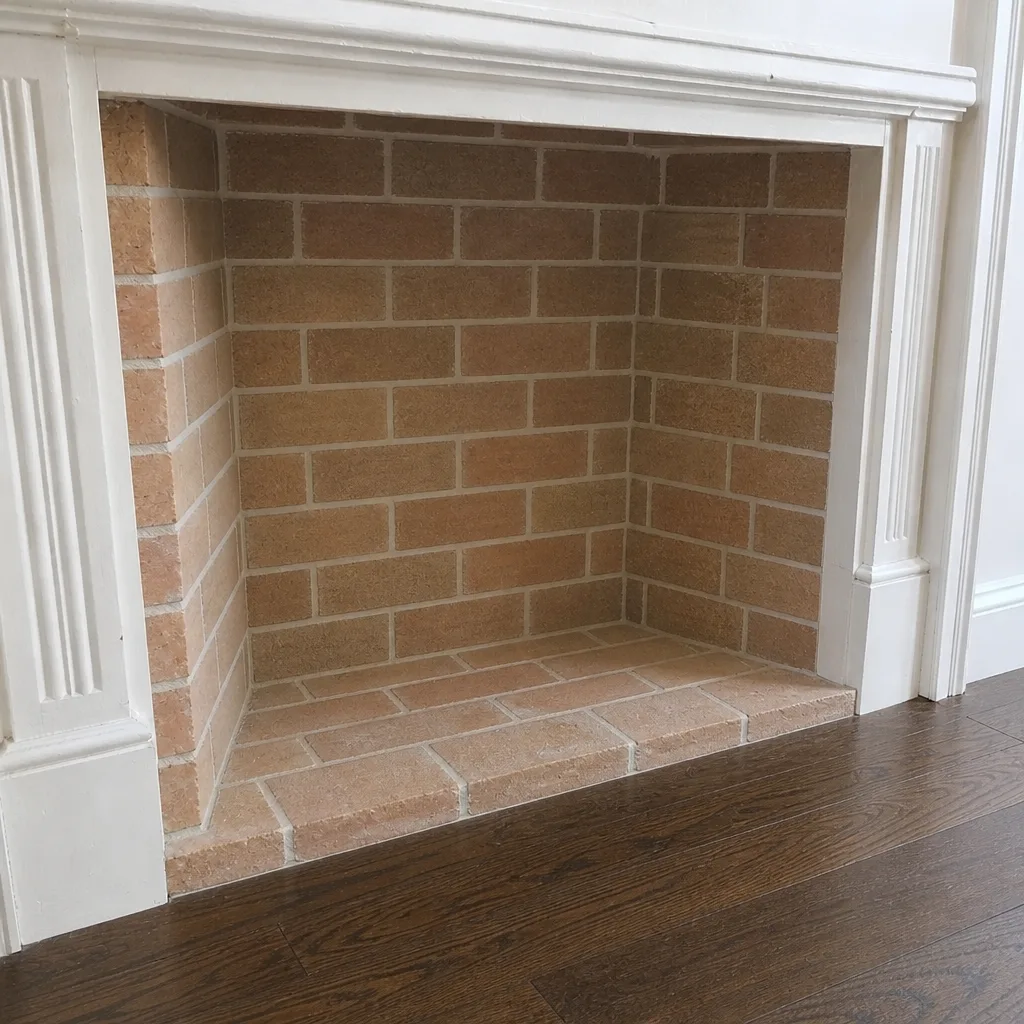 After
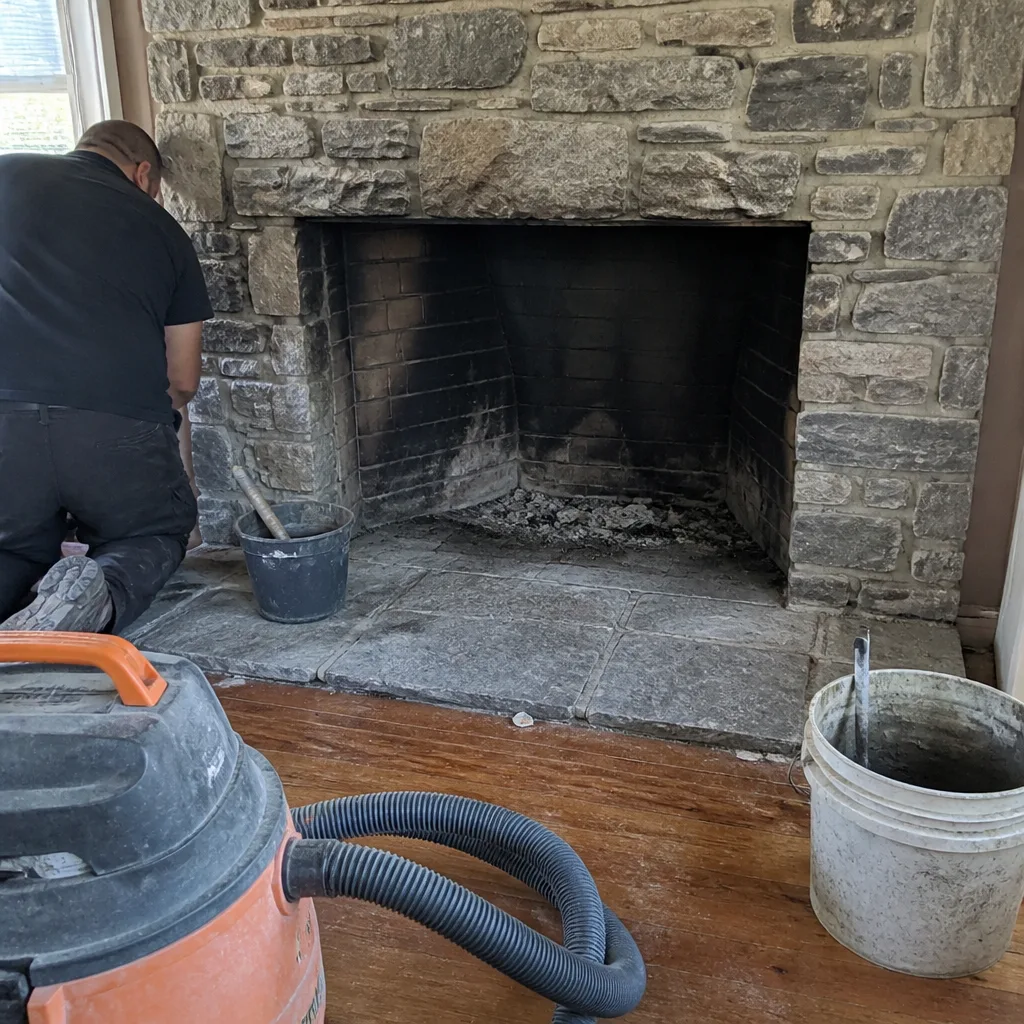 Before
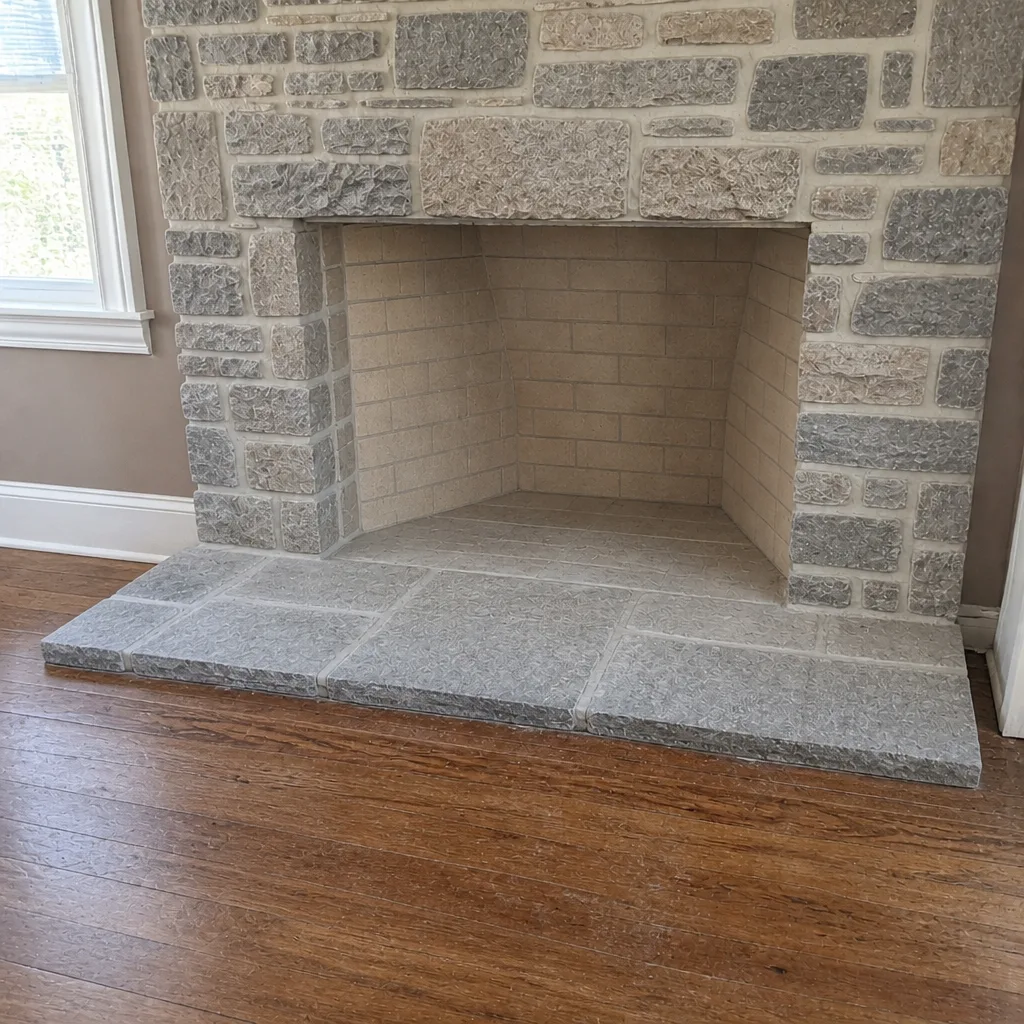 After
When to Call a Professional
Call a sweep if it’s been more than a year since the last cleaning, if you’ve burned more than 50 fires since the last inspection, if you’re seeing smoke spill into the room, or if you notice a smoky smell when the fireplace isn’t lit. Call after any major storm if the cap or crown looks off from the ground. And call if a fireplace repair has been waiting – a sticking damper or a cracked firebox doesn’t fix itself. Most of these are routine visits, and the cost of a sweep is far less than the cost of a repair caught too late.
If the flue has a crack and needs restoration or relining, that’s a chimney repair decision, not a sweep decision, and it’s one we’ll walk you through with camera evidence you can see yourself. Chimney Sweep Bay Ridge offers free estimates in Bay Ridge. Call (855) 551-0049. We answer 24/7. Fast dispatch from 7am to 7pm, Sunday through Friday.
Frequently Asked Questions
At least once a year, and more often if you burn heavily. Industry standards say the flue should be swept when there’s about 1/8 inch of deposit, when there’s any glazed creosote, or when the flue is obstructed. For a Bay Ridge fireplace burning more than 50 fires a season, we recommend a pre-season sweep in September and a mid-season check in December rather than waiting a full year. Call (855) 551-0049 for an exact quote – estimates are free.
A routine chimney sweep in the Bay Ridge area typically runs about $150 to $300, depending on the flue’s condition and whether the visit includes a camera inspection. A pre-season inspection with a photo report adds to that range. The written estimate sets the final price, so you know what you’re paying before we start. Call (855) 551-0049 for an exact quote – estimates are free.
Not always. A liner needs replacement when the camera shows cracks, gaps, or deterioration beyond what a restoration can handle. In some cases, the HeatShield ceramic resurfacing system can restore a damaged flue and extend its life without a full replacement. We’ll show you the camera footage and the photo report, and we’ll tell you plainly when a reline is the right call and when it isn’t. Call (855) 551-0049 for an exact quote – estimates are free.
Sometimes nothing. Sometimes a crown crack that let water in through the winter, or a mortar joint that opened over a freeze-thaw cycle, or a flue with enough creosote to raise the fire risk. The problem with skipping a year is that the damage comes quietly and gets more expensive the longer it waits. Most of what a sweep catches early can safely wait a few months for a repair; very little that’s been deferred for two years can. Call (855) 551-0049 for an exact quote – estimates are free.
Book in September, before burning season starts. That gives you a clean flue going into October and a full picture of the system’s condition. Book the post-season check in April after the last fires. Both visits are worth having on the calendar a year out; the September slot fills faster than the April one. Call (855) 551-0049 to book either – estimates are free.
Yes, from the ground. After any major storm, look up at the cap and crown for visible damage, check the masonry joints for missing mortar, and watch for smoke spill when you light a fire. Those checks take a minute and catch a lot. Anything you see from the ground that looks off is worth a professional look from the roof. Call (855) 551-0049 for an exact quote – estimates are free.
The Bottom Line
A chimney maintenance schedule is more than a once-a-year sweep. Six touchpoints spread across the calendar – September pre-season, December mid-season, April post-season, after-storm cap checks, late-spring masonry review, and a summer humidity look – catch different problems at the point when they’re easiest to fix. The 1/8 inch creosote threshold triggers a cleaning, glazed third-degree creosote needs a different protocol, and masonry damage is best caught after the freeze-thaw cycle rather than before it. Book the sweep early, handle the ground-level checks yourself, and leave the roof-level work to a specialist.
If you’re ready to put your Bay Ridge chimney on a real schedule, we can help. Chimney sweep visits, inspection, cap and crown work, and repair all come from the same chimney-only company, so there are no handoffs. We specify the right material for the job – HeatShield for liner restoration, Olympia Chimney components for caps and terminations, DuraFlex for offset flues. Our technicians have up to 11 years of experience, and we’ll never recommend work without camera evidence you can see for yourself.
Call (855) 551-0049 for a free estimate. We answer 24/7. Fast dispatch from 7am to 7pm, Sunday through Friday.
Written by the team at Chimney Sweep Bay Ridge.